
Liberal Studies B.S.
Degree: B.S.
Location(s): Rhode Island, North Carolina
Internship: Required, 6 credits
Credits: 120
Become an Agile Thinker
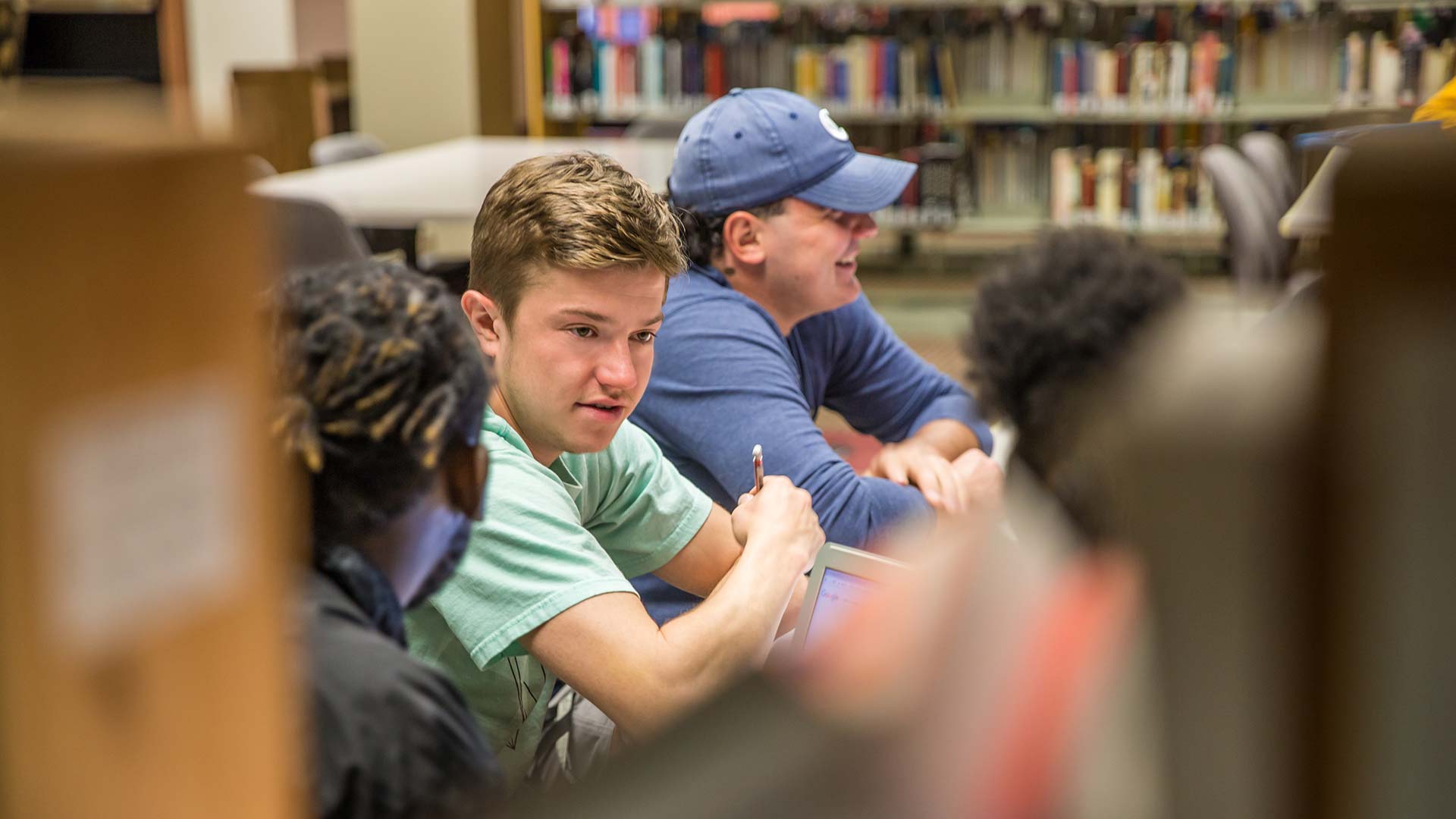
The Liberal Studies B.S. degree at JWU will equip you to examine issues from multiple perspectives and solve problems, all while exposing you to a well-rounded education in history, art, global studies and more. Critical and creative thinking leads to big ideas, and the effective communication skills you will develop can bring those ideas to life in any environment.
You will work closely with your faculty mentor to help shape and personalize your experience in this very flexible program. Choose which area to concentrate in: Arts & Culture, which encompasses humanities, art, history, literature, philosophy, religion and sociology; or Science & Society, which focuses on biology, chemistry, physics, psychology, political science and sociology.
Our Liberal Studies program’s free electives allow you to customize your degree to fit your specific interests, while you are encouraged to choose from among more than 20 minors to complement your studies, ranging from gender studies and criminal justice to political science and economics. Our students participate in JWU Study Abroad programs and/or complete internships with partners.
JWU Liberal Studies graduates pursue careers in a variety of fields, from communications to business to nonprofit to human resources. Where will your degree take you?
Curriculum and Degree Requirements
Students in the College of Arts & Sciences will apply and adapt their knowledge in innovative ways through the Arts & Sciences Core Experience.
In addition to classes, free elective credit can be applied to a number of options, such as internships, minors or study abroad. You are encouraged to contact an advisor before scheduling free elective credits.
Credits Major Courses | ||
| ART, HIST, LIT, PHIL, REL | One course 2000 level or higher | 3 |
| BIO, CHM, PHY or SCI | One course 1000 level or higher | 3 |
| ECON, PSCI, PSYC, SOC | One course 2000 level or higher | 3 |
| Foreign Language | 3 credits as determined by language placement | 3 |
| LIBS4900 | Liberal Studies Capstone | 3 |
| Major Focus | ||
| Choose one of the following: | 15 | |
| Arts & Culture | ||
ART, HIST, LIT, PHIL, REL, SOC: One course 2000 level or higher | ||
ART, HIST, LIT, PHIL, REL, SOC: Four courses 3000 level or higher | ||
| Or | ||
| Science & Society | ||
MATH: One course 1000 level or higher | ||
BIO, CHM, ECON, PHY, PSCI, PSYC, SCI, SOC: Four courses 3000 level or higher | ||
| Minor | ||
| Select any minor from offerings within the university (some minors may be offered online only) | 15 | |
| Applied/Experiential Learning | ||
| Choose 6 credits from the following: | 6 | |
| College of Arts & Sciences Internship | ||
| Undergraduate Laboratory and Field Research | ||
| Undergraduate Research Experience | ||
| Honors Directed Academic Experience | ||
Study Abroad | ||
| Related Professional Studies | ||
| Arts & Sciences Electives | 9 credits with an EASC attribute selected from offerings within the College of Arts & Sciences. | 9 |
| University Core Curriculum | ||
| Communicating | 9 | |
| Rhetoric & Composition I | ||
| Rhetoric & Composition II | ||
| Communication Skills | ||
| Connecting | 6 | |
Two courses with the Connecting attribute (ECNG), one at the 2000 level, one at the 4000 level | ||
| Experiencing | 6 | |
Two courses with the Experiencing attribute (EEXP), different disciplines | ||
| Measuring | 6 | |
| A Survey of College Mathematics (or higher, based on student’s placement) | ||
| Statistics I | ||
| Exploring | 3 | |
SCI1010 Environmental Science | ||
| Interacting | 6 | |
Two courses with the Interacting attribute (EINT), different disciplines | ||
| A&S Electives | 6 | |
Two courses with the Arts & Sciences elective attribute (EASC) | ||
| Free Electives | ||
| 18 credits selected from 1000-4999 numbered offerings within the university | 18 | |
| Total Credits | 120.0 | |
|
Credits
Major Courses |
||
| ART, HIST, LIT, PHIL, REL | One course 2000 level or higher | 3 |
| BIO, CHM, PHY or SCI | One course 1000 level or higher | 3 |
| ECON, PSCI, PSYC, SOC | One course 2000 level or higher | 3 |
| Foreign Language | 3 credits as determined by language placement | 3 |
| LIBS4900 | Liberal Studies Capstone | 3 |
| Major Focus | ||
| Choose one of the following: | 15 | |
| Arts & Culture | ||
|
ART, HIST, LIT, PHIL, REL, SOC: One course 2000 level or higher
|
||
|
ART, HIST, LIT, PHIL, REL, SOC: Four courses 3000 level or higher
|
||
| Or | ||
| Science & Society | ||
|
MATH: One course 1000 level or higher
|
||
|
BIO, CHM, ECON, PHY, PSCI, PSYC, SCI, SOC: Four courses 3000 level or higher
|
||
| Minor | ||
| Select any minor from offerings within the university (some minors may be offered online only) | 15 | |
| Applied/Experiential Learning | ||
| Choose 6 credits from the following: | 6 | |
| College of Arts & Sciences Internship | ||
| Undergraduate Laboratory and Field Research | ||
| Undergraduate Research Experience | ||
| Honors Directed Academic Experience | ||
|
Study Abroad
|
||
| Related Professional Studies | ||
| Arts & Sciences Electives | 9 credits with an EASC attribute selected from offerings within the College of Arts & Sciences. | 9 |
| University Core Curriculum | ||
| Communicating | 9 | |
| Rhetoric & Composition I | ||
| Rhetoric & Composition II | ||
| Communication Skills | ||
| Connecting | 6 | |
|
Two courses with the Connecting attribute (ECNG), one at the 2000 level, one at the 4000 level
|
||
| Experiencing | 6 | |
|
Two courses with the Experiencing attribute (EEXP), different disciplines
|
||
| Measuring | 6 | |
| A Survey of College Mathematics (or higher, based on student’s placement) | ||
| Statistics I | ||
| Exploring | 3 | |
|
SCI1010 Environmental Science
|
||
| Interacting | 6 | |
|
Two courses with the Interacting attribute (EINT), different disciplines
|
||
| A&S Electives | 6 | |
|
Two courses with the Arts & Sciences elective attribute (EASC)
|
||
| Free Electives | ||
| 18 credits selected from 1000-4999 numbered offerings within the university | 18 | |
| Total Credits | 120.0 | |
Experiential Education in a Flexible Program
There’s no one way to say what being a Liberal Studies major looks like at JWU, because the opportunities are nearly endless in this interdisciplinary program. Whether you choose to focus on arts and culture or science and society, your instructors will expand your worldview.
Why Study at JWU?
- You will get to pursue coursework that interests you most, combining the depth and breadth of a liberal arts education with the professionally focused training for which JWU is known.
- You will develop the skills to critically examine and interpret human complexities using the theories and methods of various disciplines in the humanities, social sciences and natural sciences.
- You will learn to examine complex issues, analyze arguments, conduct credible research, solve problems, make ethical decisions and create original ideas/approaches.
Lecture Series Helps Students Practice Good Citizenship
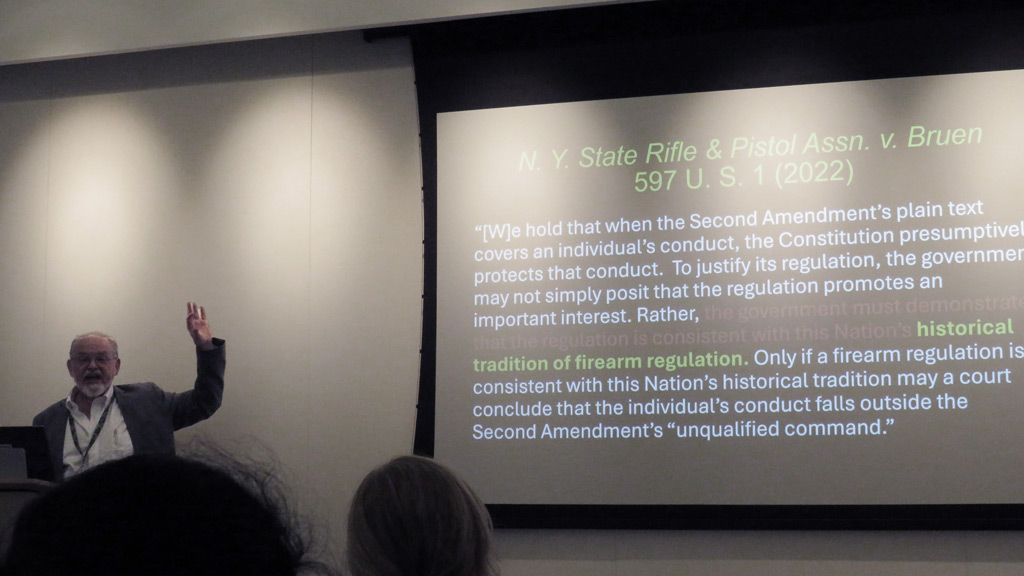
To help students engage with the government and with politics, the JWU Humanities department sponsored The Changing Constitution, a series of lectures that reviewed recent U.S. Supreme Court decisions related to the interpretation and application of the Constitution of the United States. “As there is no way to override the Supreme Court on constitutional matters apart from the nearly impossible expedient of amending the Constitution, decisions such as these impact the lives of every person in the country,” notes Professor Kenneth Schneyer, J.D. “Understanding them is crucial.”
Career Possibilities
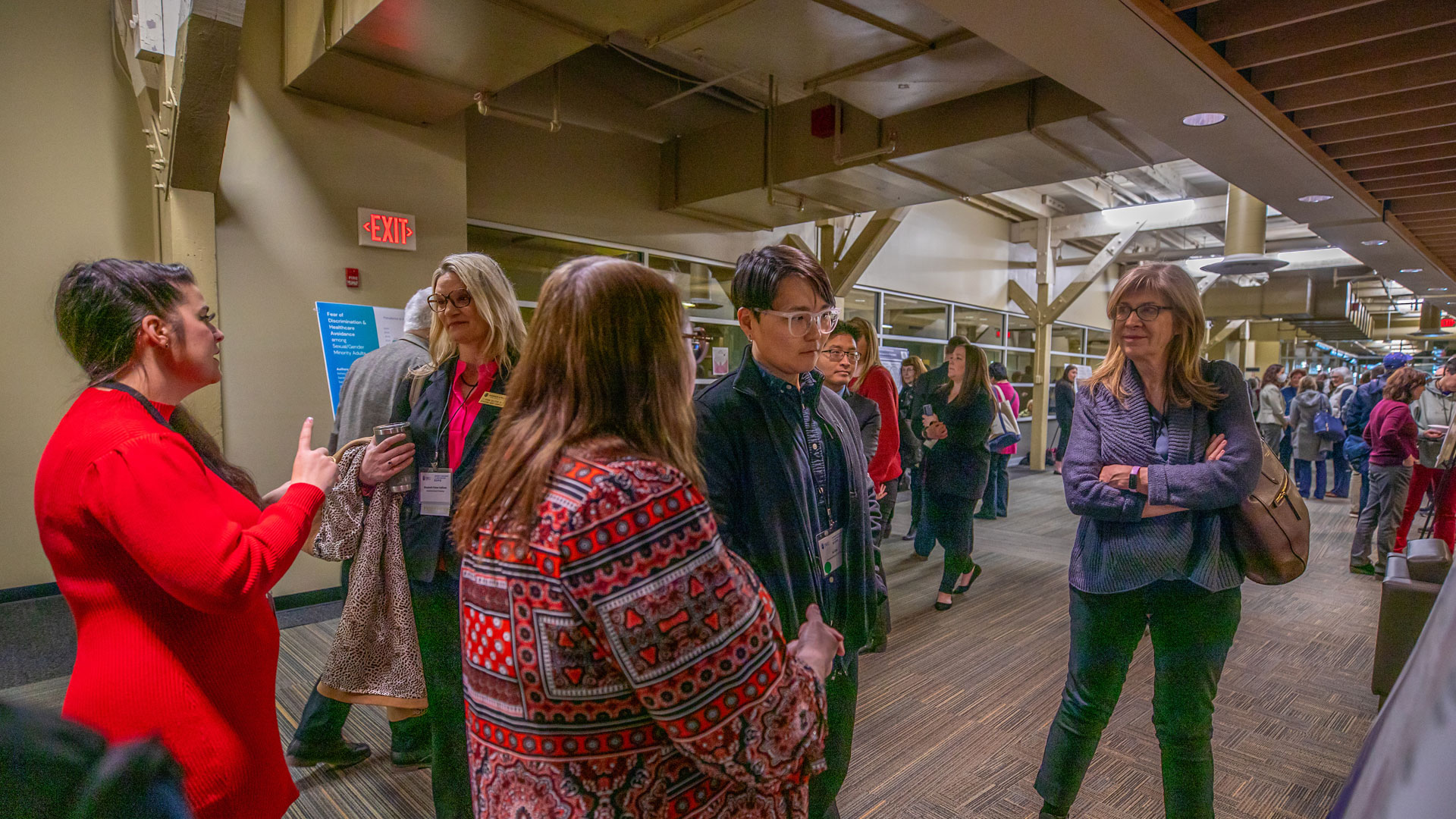
After graduation, you’ll be prepared for careers such as:
- Media relations specialist
- Speech writer
- Lawyer
- Nonprofit organizational director
- Policy analyst
- Lobbyist
Continue Your Education
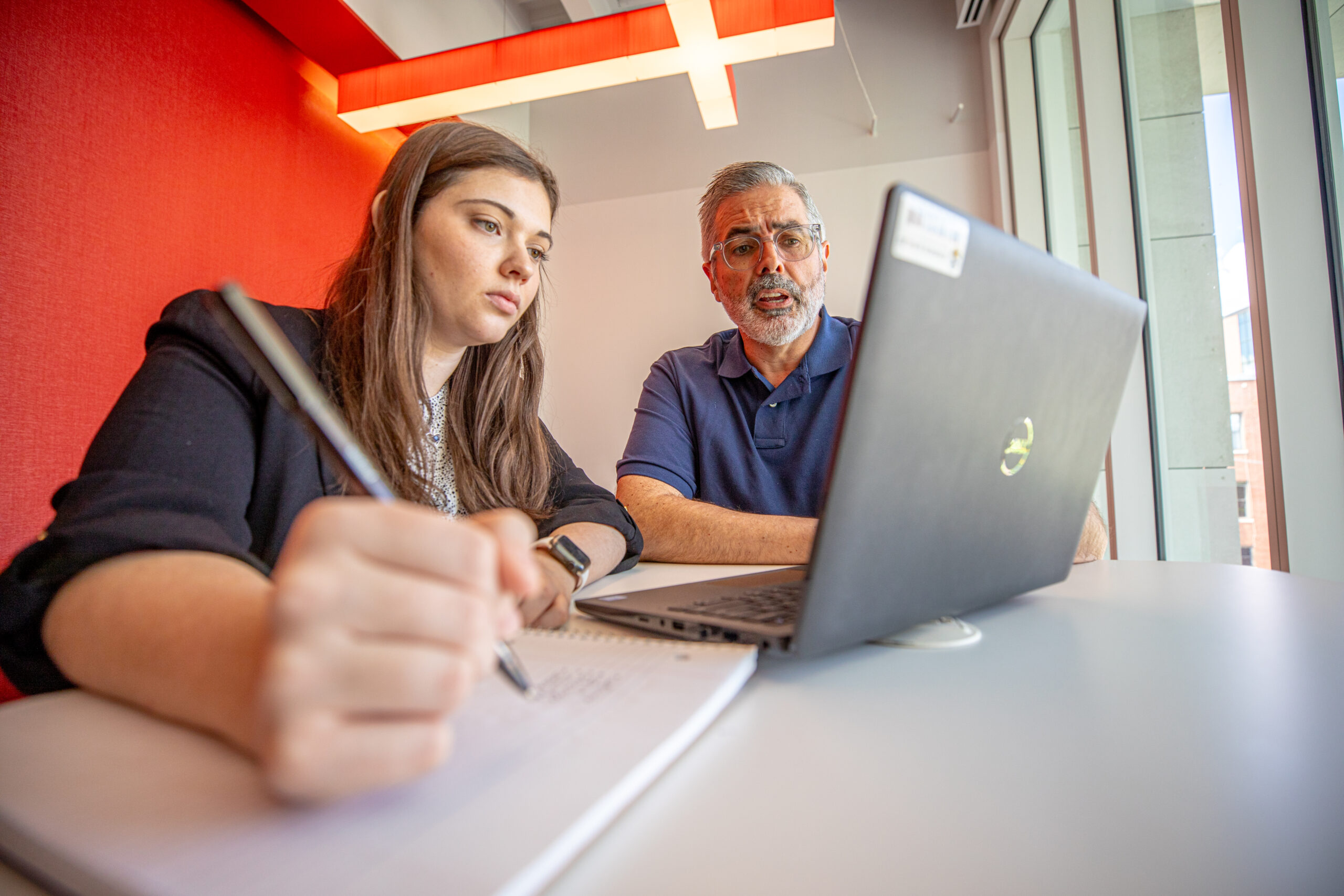
Students can earn both a B.S. and J.D. degree in just six years through JWU’s 3+3 Law Program, offered at your choice of either Roger Williams University School of Law or the University of Massachusetts School of Law. Or get your master’s faster through JWU’s signature accelerated master’s program, J2, by starting on coursework toward an online MBA or M.S. degree while still an undergraduate.
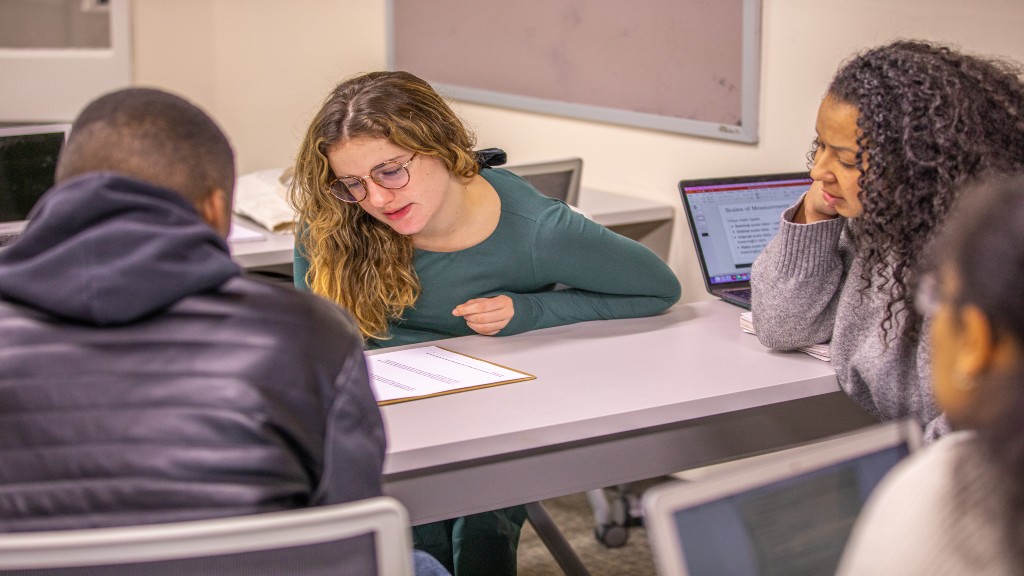
Courses you won’t find on a standard checklist
Liberal Studies coursework ranges from broad surveys to narrow subjects like Criminalization of Mental Illness, Gender in Global Perspective and Studies in Drama. Every course includes an experiential component — site visits, labs, fieldwork, debates or industry projects.
Study Liberal Studies at JWU
Faculty Contact
Maureen Farrell, Ph.D.
Professor and Department Chair
College of Arts & Sciences
401-598-1772
maureen.farrell@jwu.edu