At JWU, you’ll spend time working in your field — not just studying it. Experiential Education & Career Services connects you to internships, study abroad, research and volunteer work, and helps you turn all of it into a job after graduation.
At Johnson & Wales, students have learned by doing since 1914. Your classes put you in the situation, not just the theory — a problem with no answer key, a strategy you have to defend out loud, decisions you make with incomplete information. That starts your first year and moves outward: a project for a real client, then an internship where you’re part of the team.
That experience is what employers respond to. JWU students graduate with real work on their résumé, references who have seen them work and a clear sense of what they want next — which is why so many of them have a job lined up by graduation.
of interns were offered employment after their internship
Your Career, Our Focus
You don’t have to figure out your career alone. Our Experiential Education & Career Services team works with you from your first year through graduation.
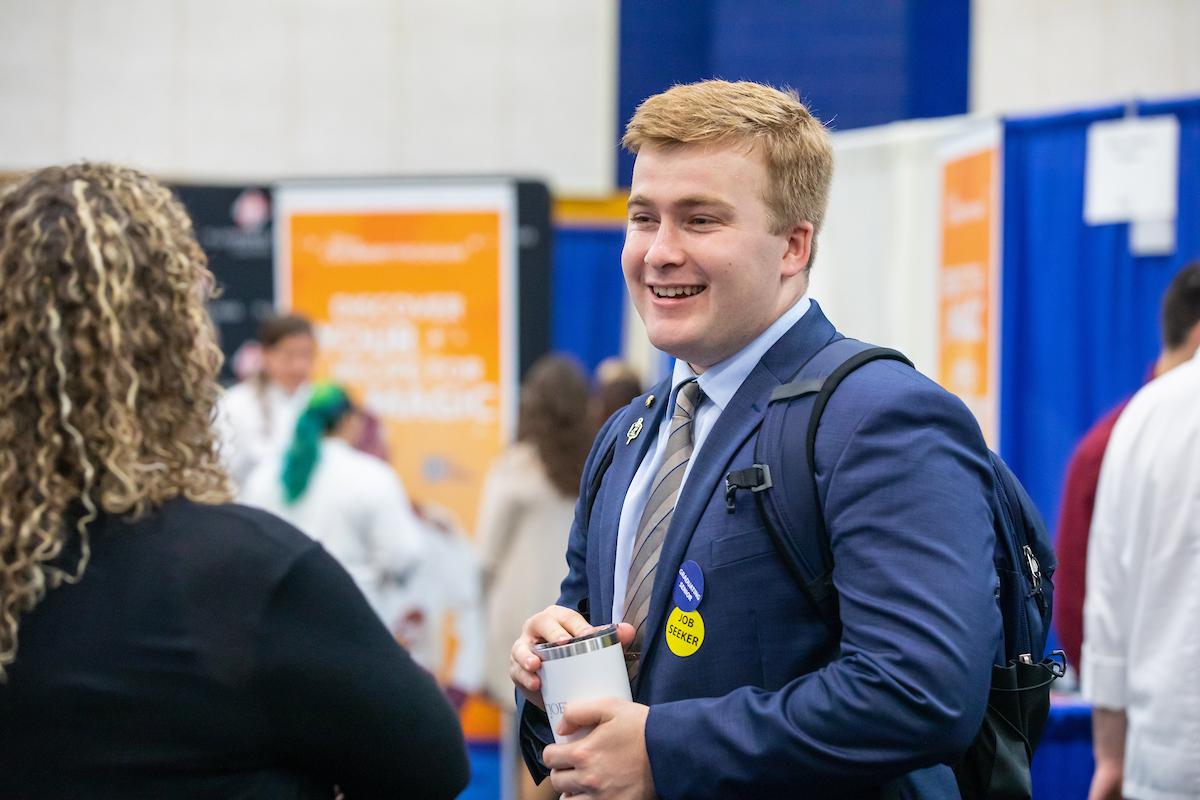
Meet one-on-one with an advisor to talk through what you’re good at and what you want. Get your résumé read by someone who knows what your industry looks for. Practice interviewing before the interview that counts. Go to career fairs and employer visits on campus, where companies come to meet JWU students specifically. When you’re ready to apply, we’ll point you to openings and make introductions.
Once you’re a student, the Career Hub on jwuLink puts job and internship postings, appointment scheduling and career resources in one place.
“I got to meet the employers firsthand, did an internship, got my résumé and went through many layers. I was fortunate to have the first job lined up right after school, which is something we want for all students. I like to think I was equally fortunate and prepared, and I expect that track to continue upward from here.”
Marquis Cooper ’14, manager of global internal audit at Boston Scientific
Internships
Employers seek experience, and JWU strategically partners with national businesses and local community organizations to help you gain work history and career skills.
Build hands-on work experience for credit at Hilton, Google, TJX Companies, Hill Holiday, Wegmans, Nordstrom, Hyatt, Johnson & Johnson, Fidelity, IGT, Charlotte Hornets, FM Global, Aramark, Compass Group, Disney, The Kraft Group, Marriott or another of JWU’s nearly 800 sites worldwide.
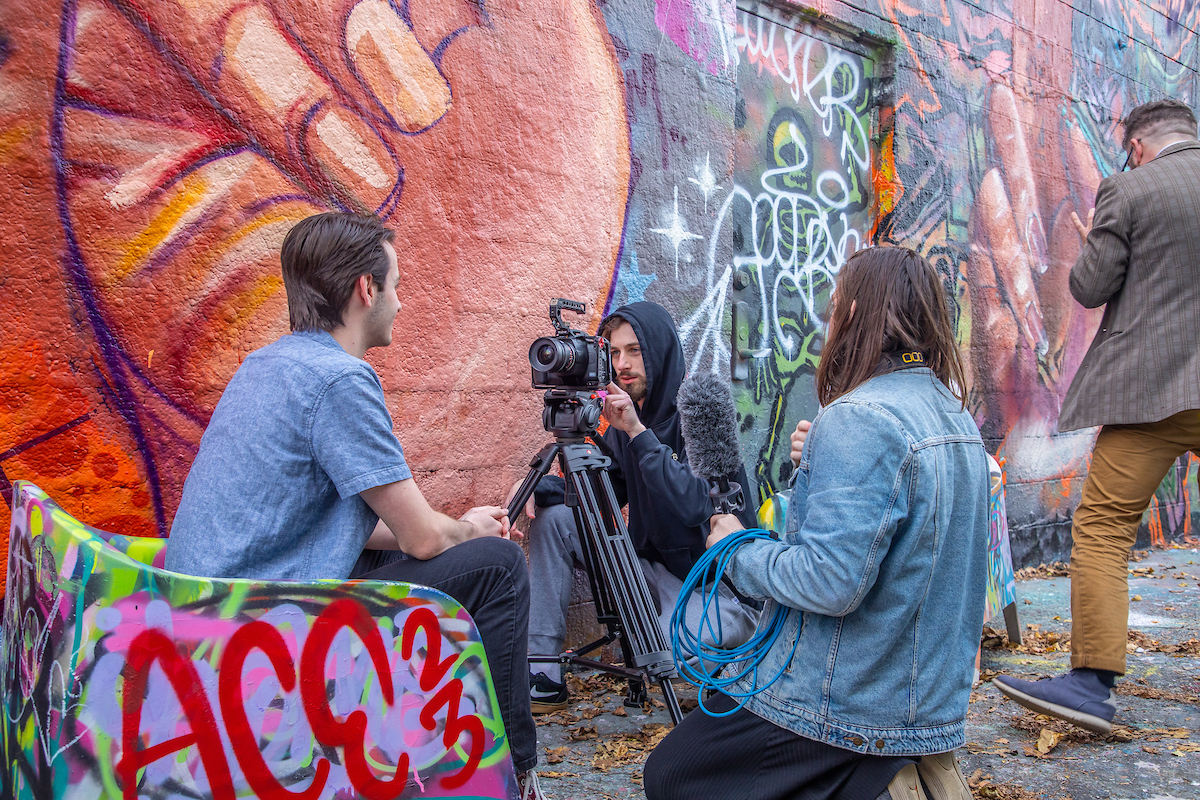
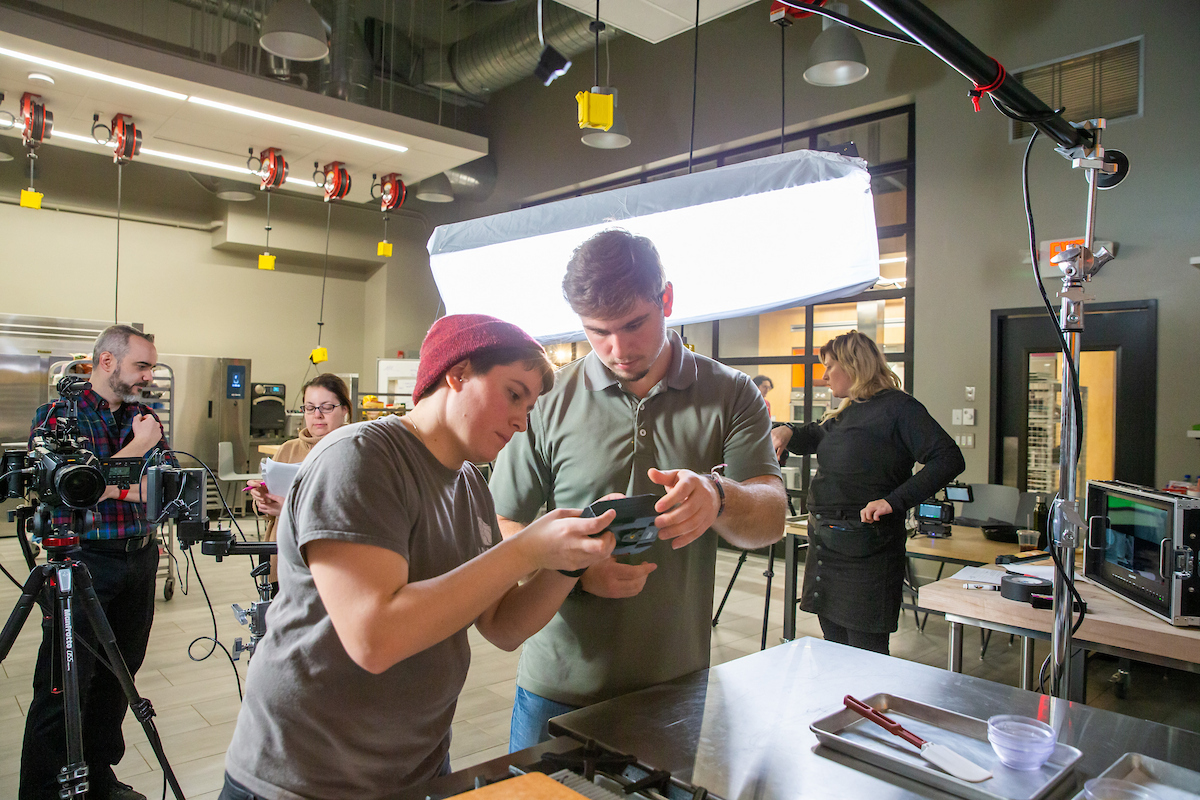
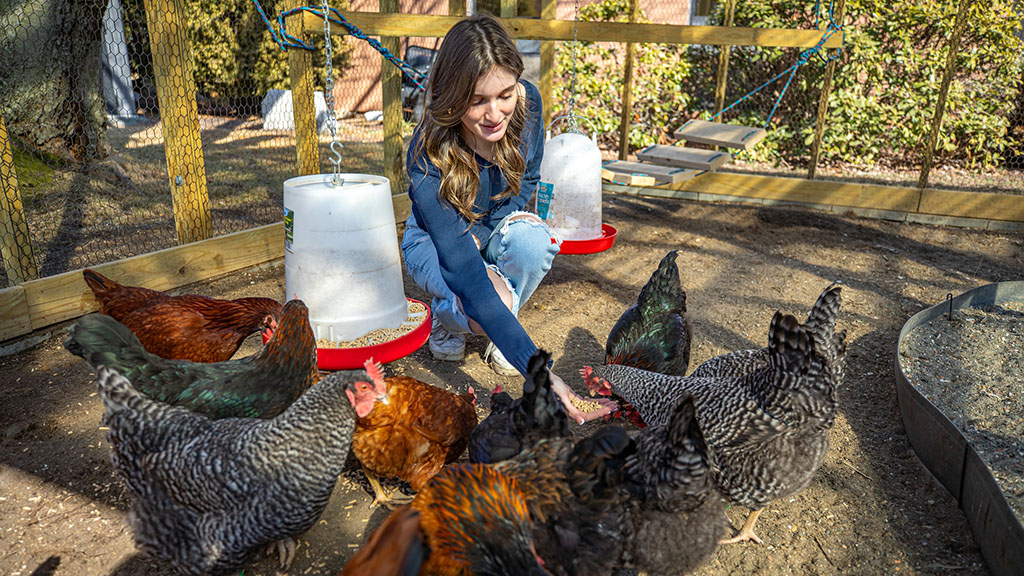
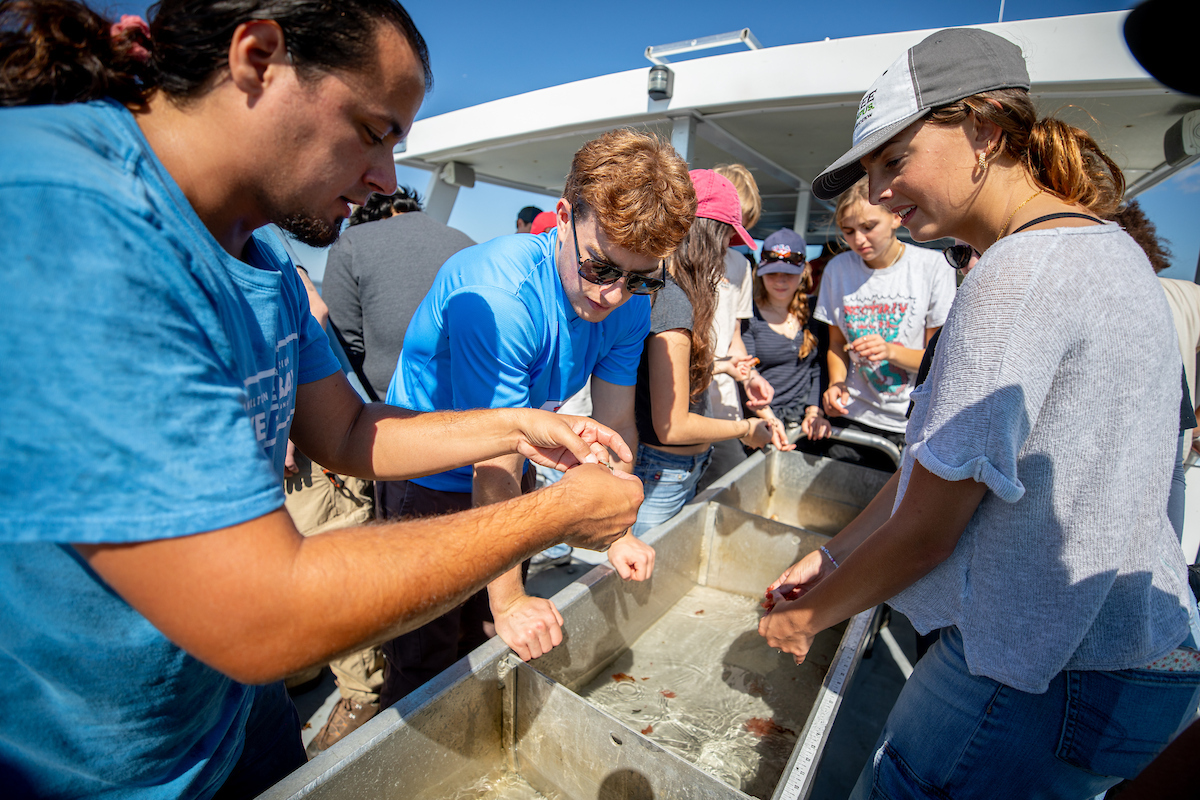
Your classroom experiences will take you beyond traditional lectures in unique, engaging ways to help you develop critical thinking and problem-solving skills. We call it REAL — Reimagining Experiential & Applied Learning. You could explore Narragansett Bay to study sustainable shellfishing in action, produce a marketing video for a local business, take care of a fictional calf to better understand animal science or investigate a cold case to identify new leads in a criminal justice class.
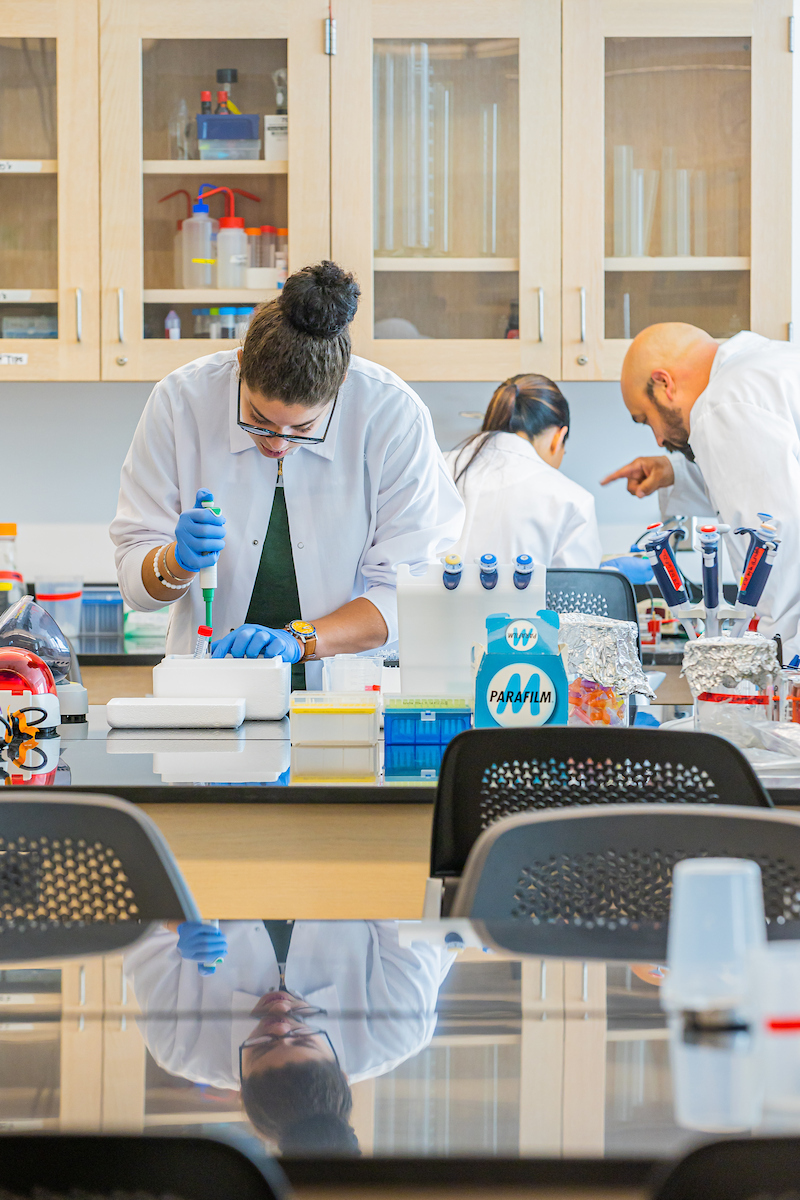
Connect directly with what you’re studying through research, field work, service learning, industry projects, role-playing, gamification, simulation, debates, field trips and other hands-on exercises. Then, after gaining new skills, you’ll reflect on what was learned and how to apply it to other experiences. REAL starts in your Core courses your first semester and continues through your major.
Every JWU student takes the University Core — a set of courses outside your major that starts your first semester. It isn’t a list of boxes to check off. You’ll dig into real problems through case studies, simulations and group projects, then step back and look at what you learned and where else you could use it.
The Core is where you practice the skills employers ask about no matter what you study: writing and speaking clearly, working with numbers and evidence, thinking through a hard ethical question, and connecting an idea from one class to a problem in another.
Those habits follow you into your major. By the time you start an internship or a semester-long project, you’ve already had practice applying what you know to a situation you’ve never seen before.
Work-Integrated Learning (WIL) is built into JWU’s three-year bachelor’s degrees. Instead of pausing your classes for one internship semester, you’ll work in your field throughout all three years — and earn credit for it.
A lot counts toward your WIL hours: a part-time job on or off campus, volunteering, research with a faculty member, a summer internship, a conference in your industry. You’ll also take career management coursework and meet with a career advisor along the way, so you’re building skills employers ask about — teamwork, time management, problem solving — and learning how to talk about them in an interview.
By graduation, you’ll have more than a diploma. You’ll have a portfolio of work experience that gives employers a reason to call you.
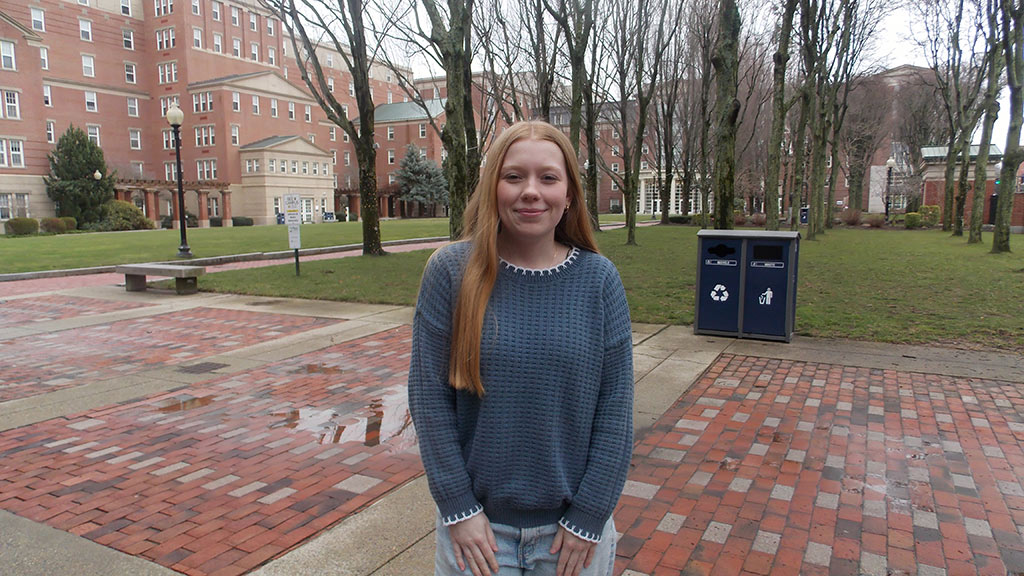
“This summer I will work as a paraprofessional at an elementary school and plan to work part time at an autism learning center in the fall. I also hope to intern at the Department of Corrections during my time at JWU. I’ll be able to use all of these experiences toward my WIL hours.”
Katie McPartlin ’28, Three-Year Career-Focused B.S. in Criminal Justice
Study Abroad
Whether you’re learning about ecotourism in Costa Rica over spring break, studying the fashion greats in Italy during your summer vacation or improving your foreign language skills in Spain for a semester, JWU has an opportunity for you to navigate new environments, gain independence and build global connections while gaining college credits.
Connect with the community while gaining real-world experiences.
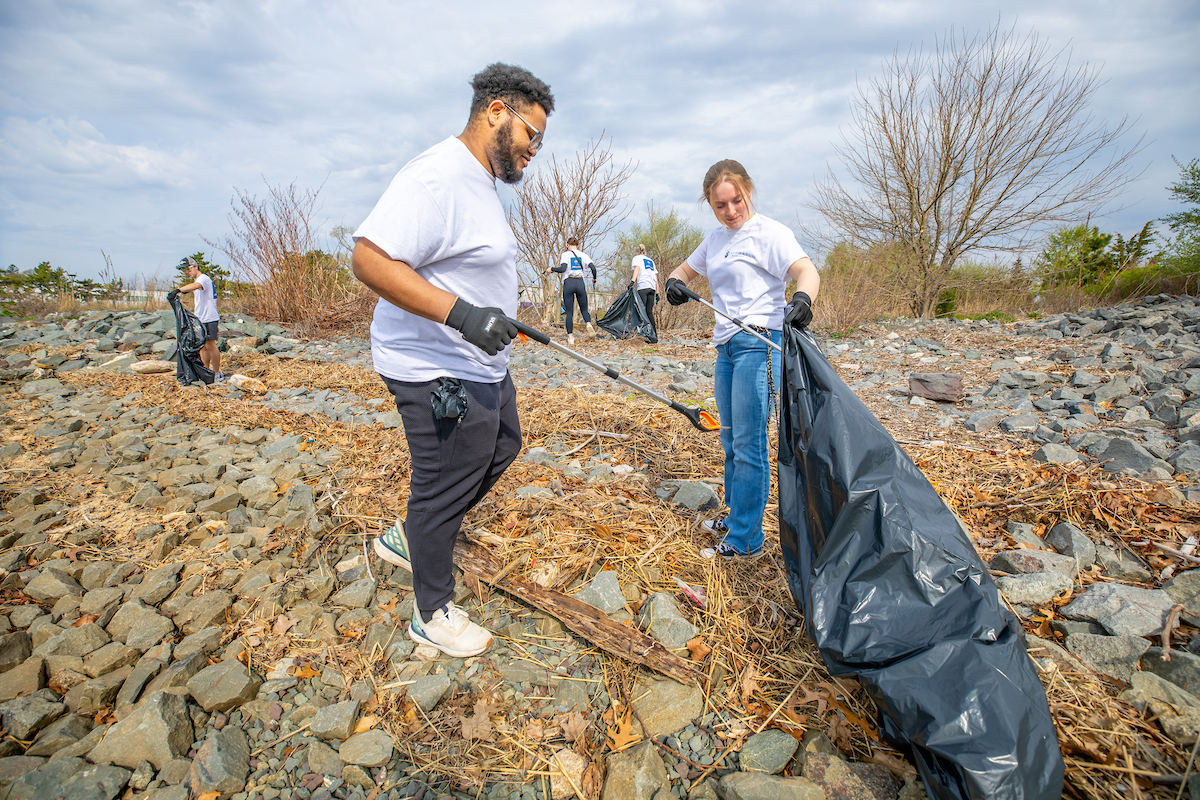
Volunteer opportunities include providing services to local shelters, planting trees in local neighborhoods, volunteering at the American Red Cross and more.
Serve the community or volunteer to learn about social responsibility, ethics and leadership.
“At Momofuku, I worked with a lot of great chefs and learned how to time-manage. I worked as garde manger and in the raw bar. I shucked lots of oysters!”
Ava Zajczenko ’27, a nonprofit management major, shares how she completed not one but two internships this summer pertaining to her degree at Johnson & Wales University.
Computer Science major Tucker Kerr ’27, put his classroom experience into practice and discovered new career possibilities during his internship at AIPSO.
JWU hospitality student lands internship through career fair as Youth Programming Coordinator at U.S. National Whitewater Center, an outdoor adventure destination.