JWU Nursing Students Prepare for Sudden Cardiac Situations
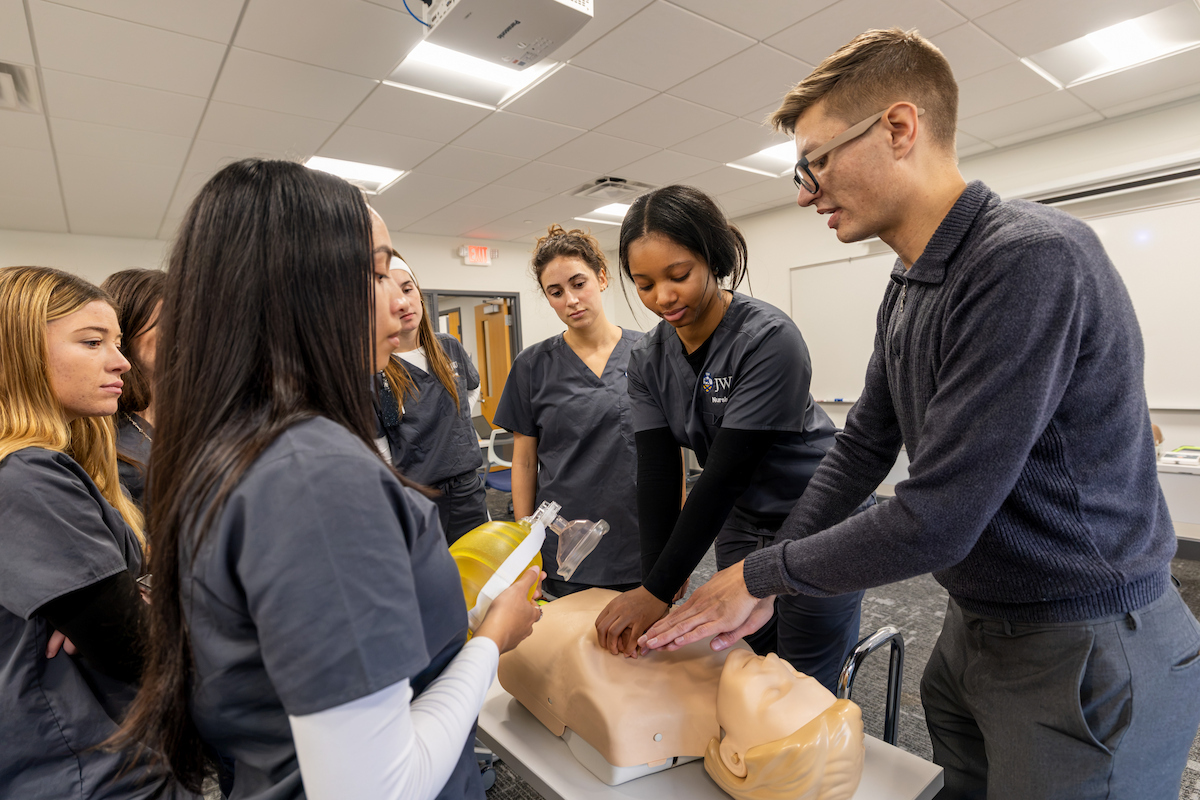
October is Sudden Cardiac Awareness Month for good reason: Each year, around 350,000 sudden cardiac arrests occur across the United States, with roughly 70% happening in homes rather than hospitals. Chances of survival increase two to threefold if cardiopulmonary resuscitation (CPR) is administered, so knowing how to save a life is key. This month, students in Johnson & Wales University’s Accelerated Bachelor of Science in Nursing program expanded their ability to increase sudden cardiac arrest victims’ survival rates by training on EKG acquisition (capturing the heart’s bioelectrical activity using electrodes placed around the patient’s body) training and Basic Life Support (BLS).
Why Cardiac Health Awareness Is Important
For Dean of the College of Health & Wellness Maura Daly Iversen, DPT, D.Sc., MPH, expanding lifesaving tools’ accessibility and knowledge of techniques such as CPR are a deeply personal issue.
“My mother tragically died from cardiac arrest right in front of me,” she reveals. “Despite my efforts to perform CPR, I was unable to save her. In her memory — she hailed from Glenamaddy, Ireland — I launched a comprehensive heart health initiative in Dingle, Ireland, where I had established local connections.”
Today, this community-based campaign continues to educate people on CPR techniques, raise awareness about sudden cardiac death and heart disease, and leverage media outreach to map the locations of Automated External Defibrillators (AEDs) across the region. Her proudest accomplishment: The program has already saved at least two lives.
Those AEDs used in Ireland were donated by In a Heartbeat, a Connecticut-based nonprofit committed to placing AEDs and teaching lifesaving techniques.
In a Heartbeat Board Member Patty Gatcomb nearly lost her son, a Coast Guard member training to be a helicopter pilot in Norfolk, Virginia, to sudden cardiac arrest; now she trains people on saving lives. “You never know,” she comments while running from curtain to curtain, aiding JWU nursing students. “You could be walking down the street and just happen to be the first person on the scene. I know a 911 operator would try to explain it to you over the phone, but it’s best to have physical experience with it.”
CEO and President Mike Papale nearly died as a healthy teenager after collapsing at basketball camp; he was initially saved through CPR from a volunteer emergency medical technician (EMT) who happened to be on site and was revived again in the ambulance by an AED. Since founding In a Heartbeat in 2025, Papale has recorded 83 lives saved.
“We put people in situations to not only get some good training from our medical volunteers on high-quality EKG acquisition and more,” he says of training future practitioners to communicate well not only with patients, but also their families. “That’s a really valuable experience because it’s going to be what they’re doing in their careers.”
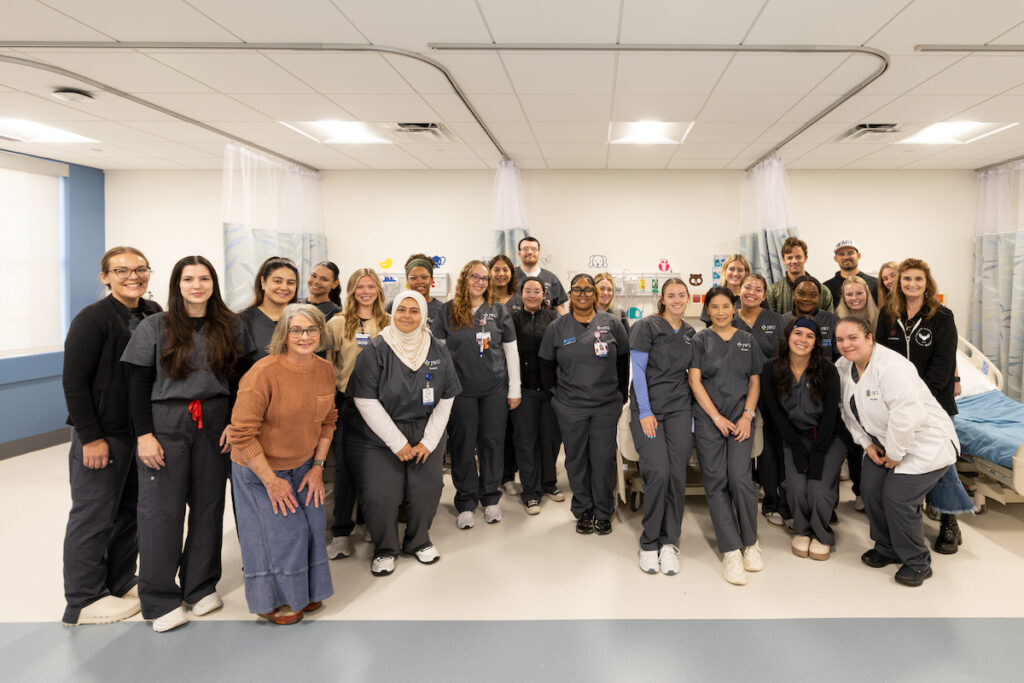
Their careers will always include a human aspect, and Gatcomb has never lost that in her pursuit to expand cardiac knowledge and training. “That day I flew to Norfolk when my son collapsed, I made a promise that if my kid was sitting next to me on the flight home instead of in a coffin, I would pay it forward,” she states. “That’s what I and Mike and so many others do every day.”
JWU Students Complete EKG Acquisition Training
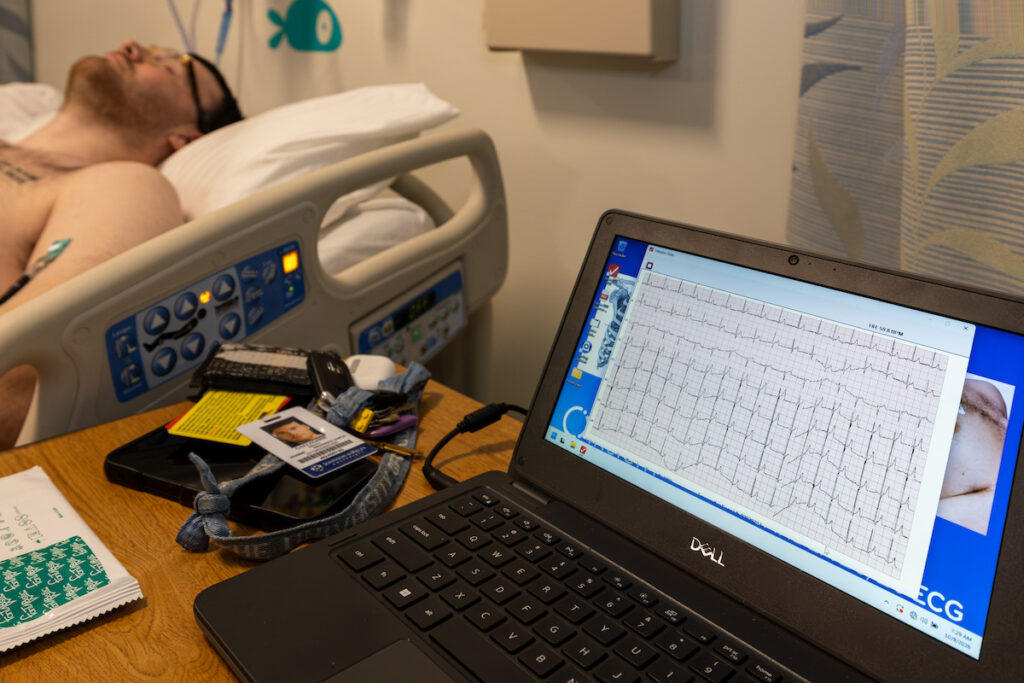
On October 9, aided by volunteers from programs and clubs across JWU’s College of Health & Wellness, In a Heartbeat led special training sessions including performing cardiac screenings, performing hands-only CPR and properly acquiring an EKG.
Students initially practiced EKGs on each other, but members of the public had also been invited to register for EKG screenings, and patients lined the entryway of JWU’s Johnson Building. JWU nursing student Jismelly “Melly” Marmol ’27 had been excited to participate in the trainings: “I think it bridges a gap between what we study in nursing skills labs vs. real-world clinical care, where you get to learn skills on the spot.”
She experienced delivering simulation for dementia patients at PACE-RI, a caregiving facility in East Providence, Rhode Island, to explore better outcomes; now she wanted to explore more about the heart.
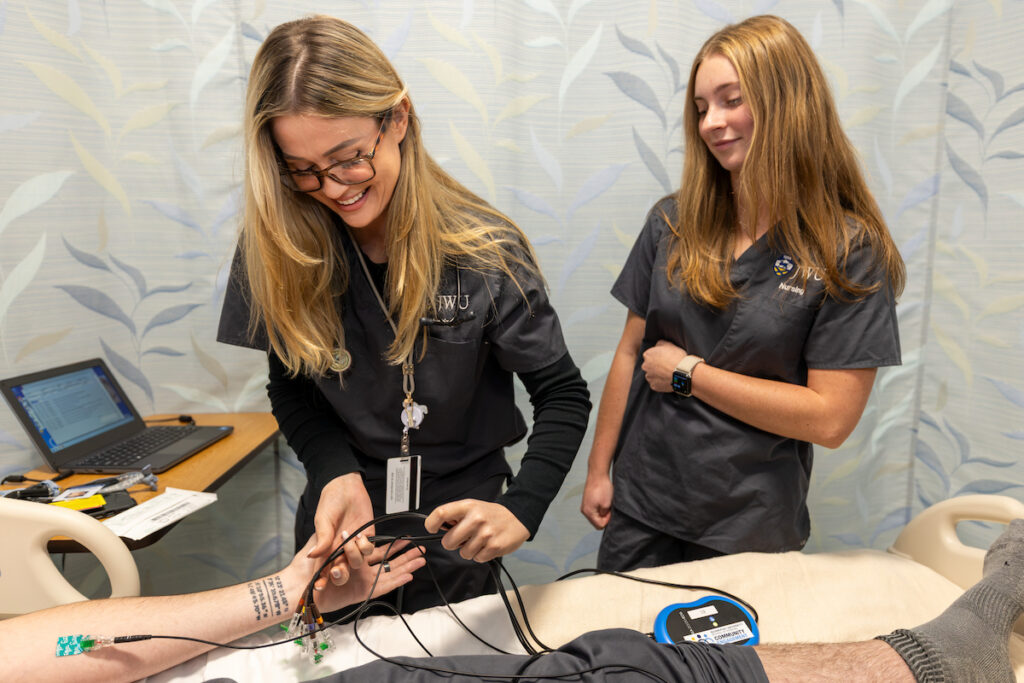
“I thought as a third-semester nursing student this is critically vital,” she notes. “Cardiac issues aren’t just for older adults; heart issues start in youth and adolescence. Teaching people to spot cardiac vulnerabilities can change the trajectory of a young person’s life — or even save it.”
ABSN student Madison “Maddy” Gamba ’27 was also excited about strengthening her EKG skills. “I currently work as a patient care technician and perform EKGs regularly, but I believe there is always room to improve my skills, learn new techniques and gain different perspectives,” she notes.
Her clinical rotations have helped Gamba realize a strong interest in cardiac care, and she plans on pursuing a career in the specialty after graduation. She also plans to continue to follow In a Heartbeat to stay informed about upcoming events and opportunities.
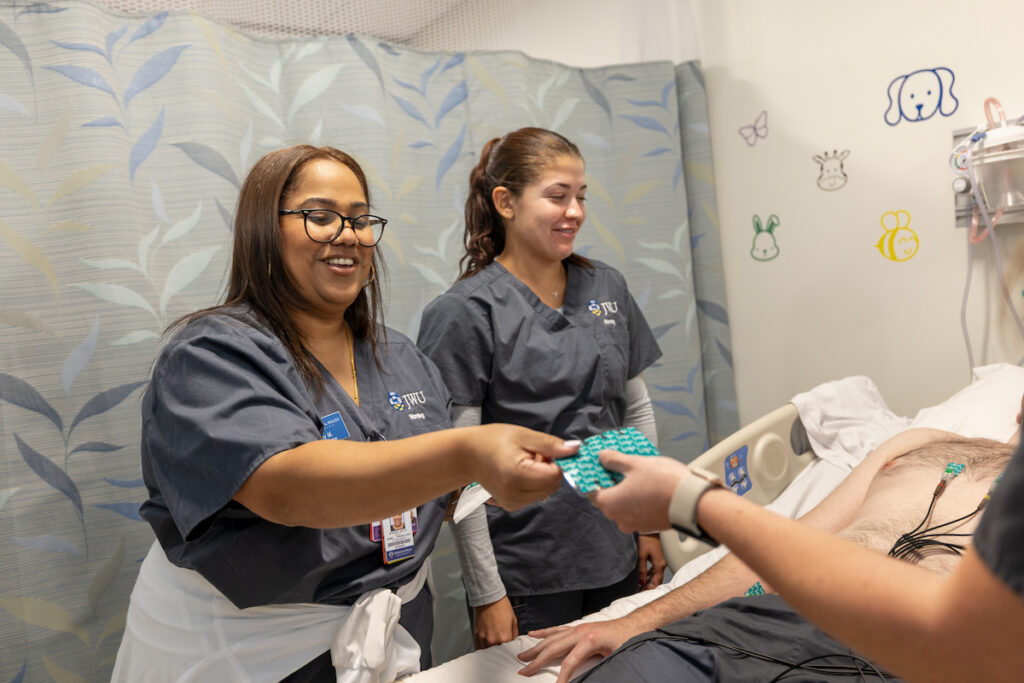
“I really enjoyed performing EKGs on the different individuals who attended the event. Not everyone in our nursing cohort had previous experience performing EKGs, so this was a great opportunity for some students to learn something new while others were able to strengthen their existing skills. Since we performed EKGs throughout the day, the repetition also helped build confidence and improve our technique.”
Why JWU Nursing Students Need to Advocate for Patients
Gamba found In a Heartbeat’s presentation sobering, particularly concerning the financial barriers to patients obtaining EKGs because insurance companies tend to require prior authorization or deny procedures, lowering chances of practitioners identifying underlying cardiac conditions.
“This experience made me think more about the role of early detection and whether EKG screenings should be considered more often during routine physicals,” she says. “It reinforced the importance of cardiac education, raising awareness and helping individuals better understand their cardiac health.”
For Marmol, the trainings similarly solidified her belief that cardiac health awareness is crucial.
“Hearing that a child dies nearly every three days from an undiagnosed heart condition was a really terrifying reality to learn about,” she notes. “But now my cohort is better prepared to be proactive future nurses who are ready to step out into the community, share life-saving hands-on CPR education and take every opportunity we can to save lives.”
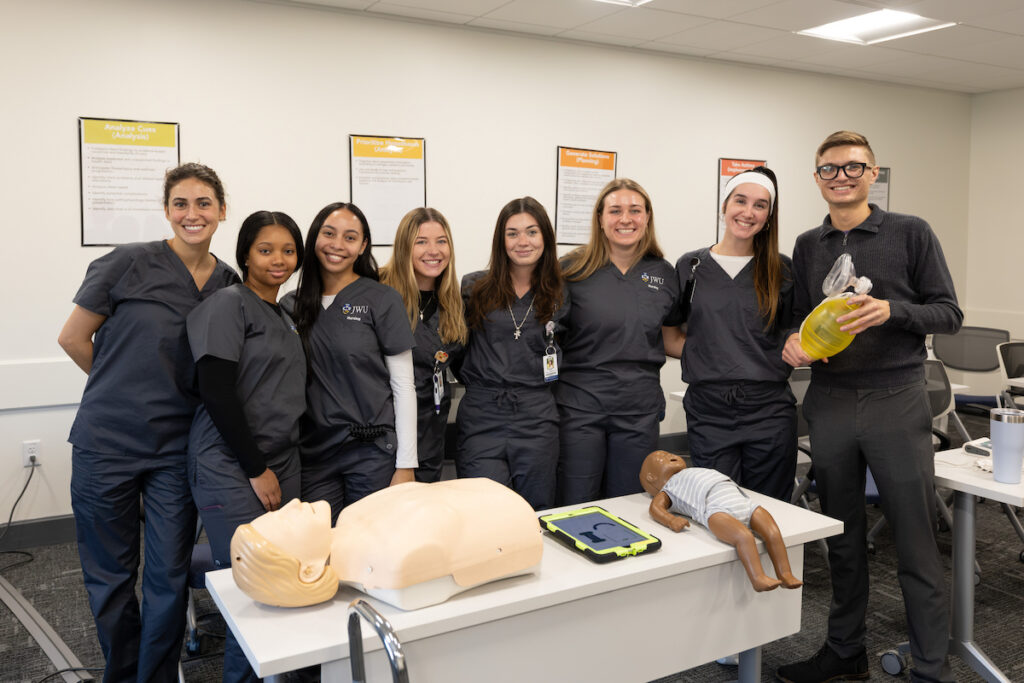
Sarah McMahon ’27 had a personal reason to obtain her recertification through the BLS training: “As someone who has had family members impacted by the effects of heart disease.” She found one benefit of the training was learning from various instructors to see different perspectives on how to approach the use of lifesaving measures.
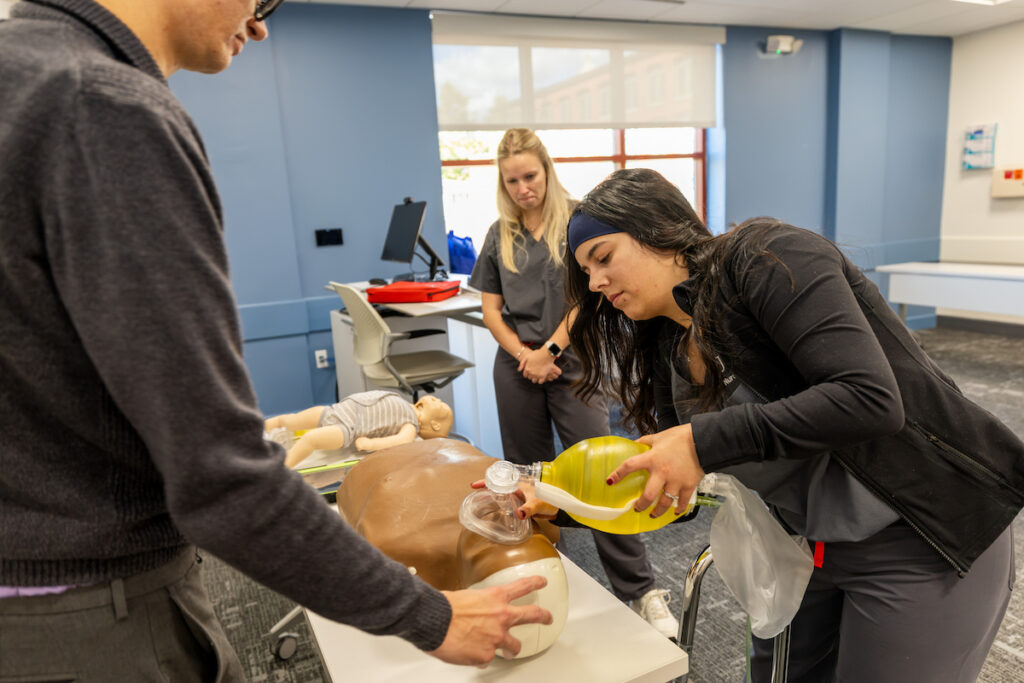
Assistant Professor and Nursing Simulation Manager Jonathan Carpenter, M.S.N., who has been a clinical nurse for more than a decade, conducted the BLS trainings for JWU nursing students, aiming to instill muscle memory so they will know what to do if someone experiences sudden cardiac arrest.
“I want our students to feel more empowered to initiate emergency response,” he notes. “We play an important role in our community, and with JWU’s Providence Campus being located right in the middle of the city, we can help protect not only each other but foster a community of awareness and support.”
Expanding Cardiac and Healthcare Knowledge Through JWU
This event was just the beginning of an ongoing JWU initiative to make cardiac health education visible, interactive and actionable so students can confidently respond to a cardiac emergency.
JWU’s partnerships in both Providence, Rhode Island and Charlotte, North Carolina with the American Heart Association are creating additional opportunities for students to engage with cardiovascular health by exploring internships, volunteer experiences, educational programming and community engagement opportunities that connect what they learn in the classroom with real-world health initiatives.
AEDs exist across Johnson & Wales, and to expand awareness of their locations, which could someday save a classmate’s life, the College of Health & Wellness sponsored a scavenger hunt for students to locate and take a selfie with each for chances to win prizes.
Meanwhile, students interested in pursuing healthcare careers can connect with JWU’s faculty and program directors and explore what’s it is like to be a Physician Assistant Studies, Nursing, Physical Therapy, Occupational Therapy, Clinical Nutrition & Dietetics or Public Health graduate student, such as being invited to observe classes or clinical learning experiences.
“A student who comes to learn about an EKG may discover an interest in cardiology,” states Iversen. “A student who learns CPR may one day save a life. And a student who steps into a graduate classroom or serves as a standardized patient may discover a career and a calling in healthcare. That is the opportunity: educate, engage, inspire — and perhaps help the next generation of healthcare professionals find their path.”