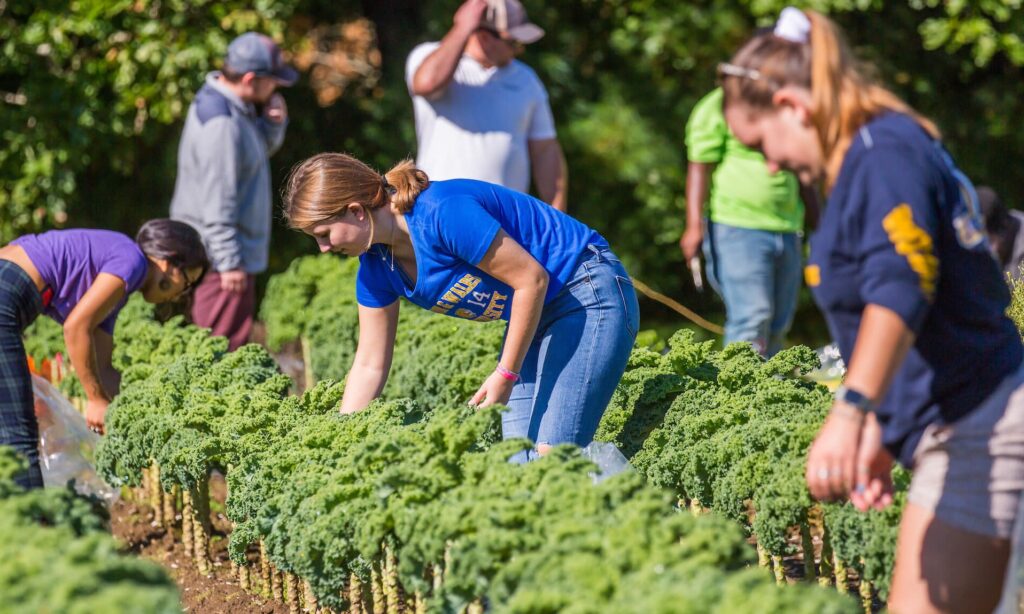
Are you passionate about food’s ability to spark change? JWU Providence’s Sustainable Food Systems bachelor of science (B.S.) prepares you to lead in an evolving food landscape. Grounded in professional kitchens, farms and community-based action, this interdisciplinary program examines the connections between food, culture, policy, the environment and public health.
Alongside foundational culinary or pastry labs and immersive farm-to-table experiences, students gain a deep understanding of the interconnections between food production and equity, supply-chain infrastructure, sustainable development, social justice, and human health.
Rooted in experiential learning and systems thinking, you’ll develop the practical cooking skills and systems-level knowledge needed to build more resilient and equitable food systems — and pursue diverse career pathways in food strategy, policy, entrepreneurship, sustainability education and beyond.
Curriculum
Credits
Major Courses
Choose Culinary or Baking & Pastry Foundational Path
24 credits selected from 1000-4999 numbered offerings within the university
24
Total Credits
121.0
The Sustainable Food Systems Program is rich in unique culinary and agricultural learning opportunities, faculty who are eager to provide genuine support, and connections within the ever-expanding sustainability movement.”
Lydon Olivares ’24, White Oaks Pastures Educational Coordinator
What Makes Sustainable Food Systems Unique?
Find Your Mentors
Our interdisciplinary curriculum provides a framework that allows you to work closely with chefs and other faculty with expertise in a range of disciplines relevant to culinary sustainability. Each of these mentors will help you refine your own career goals and prepare you to become part of a cohort of globally-aware food leaders.
Boost Your Knowledge
Sustainable Food Systems students also earn globally recognized certifications through the Food & Agriculture Organization (FAO) elearning Academy focused on global food and nutrition security, social and economic development, and sustainable management of natural resources.
Cultivate Your Own Path
Sustainable Food Systems is the launching point to a connected suite of programs focused around food systems leadership, including specialized areas of focus, minors and options for advanced graduate-level study.
Program Structure
Begin with skill-building foundations in Culinary Arts or Baking & Pastry Arts, followed by interdisciplinary Farm-to-Table labs and hands-on Food Systems coursework. Arts & Sciences core curriculum includes communications, integrative learning, arts & humanities, math, social sciences and science. 24 credits of free electives to choose an area of focus, work toward advanced degree progress or take other advisor-recommended courses. Program culminates in a 12-credit internship focused on food production, policy or advocacy.
Action-Based Approach to Sustainability
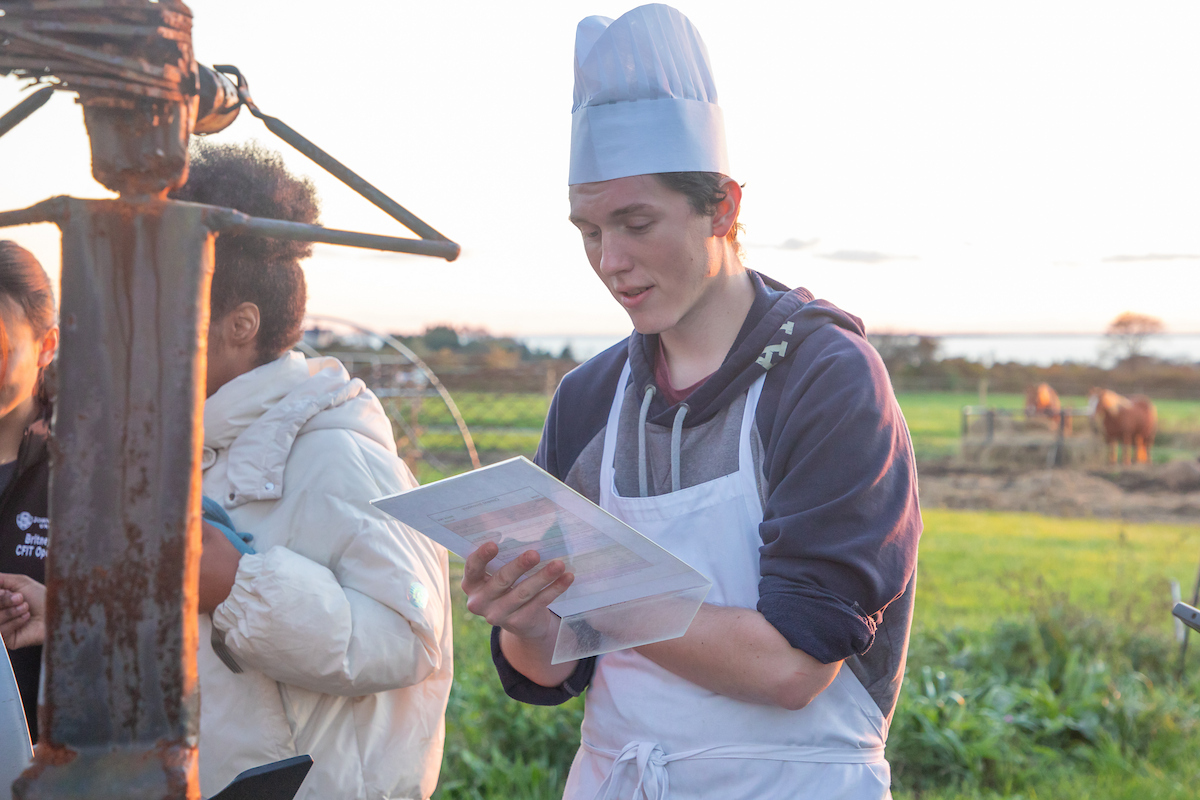
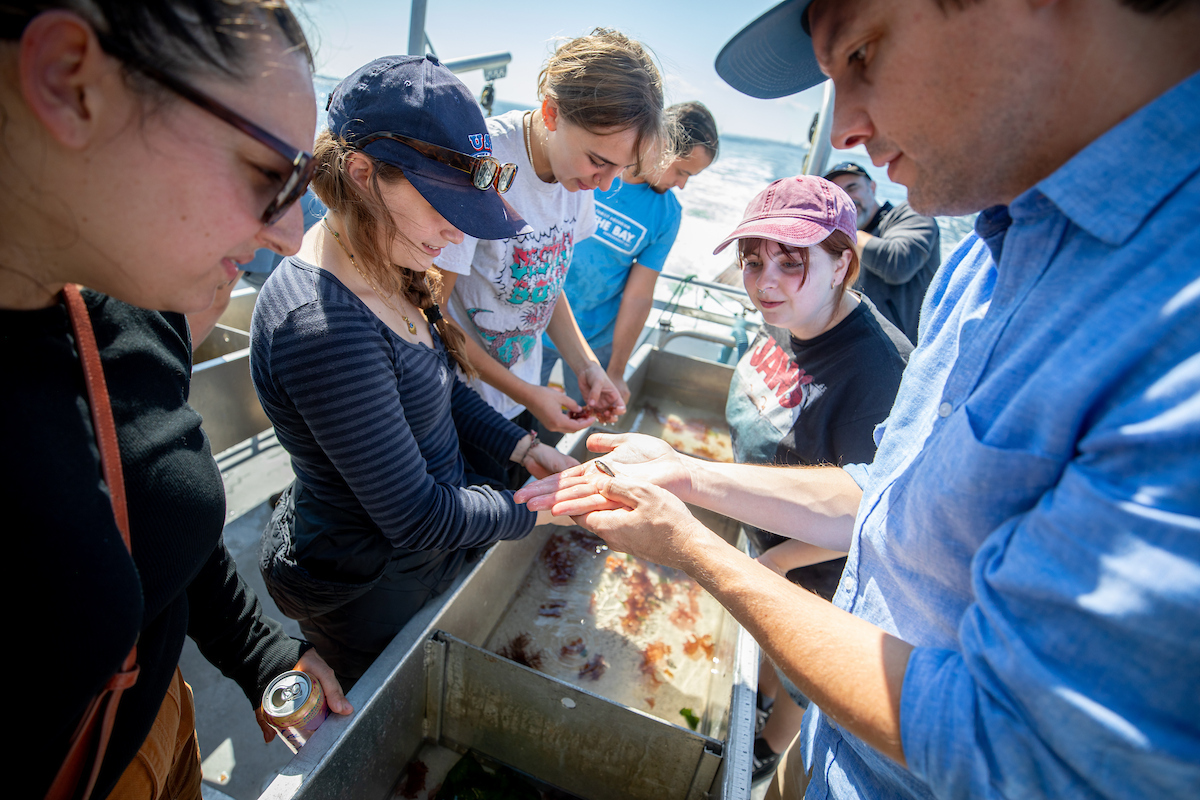
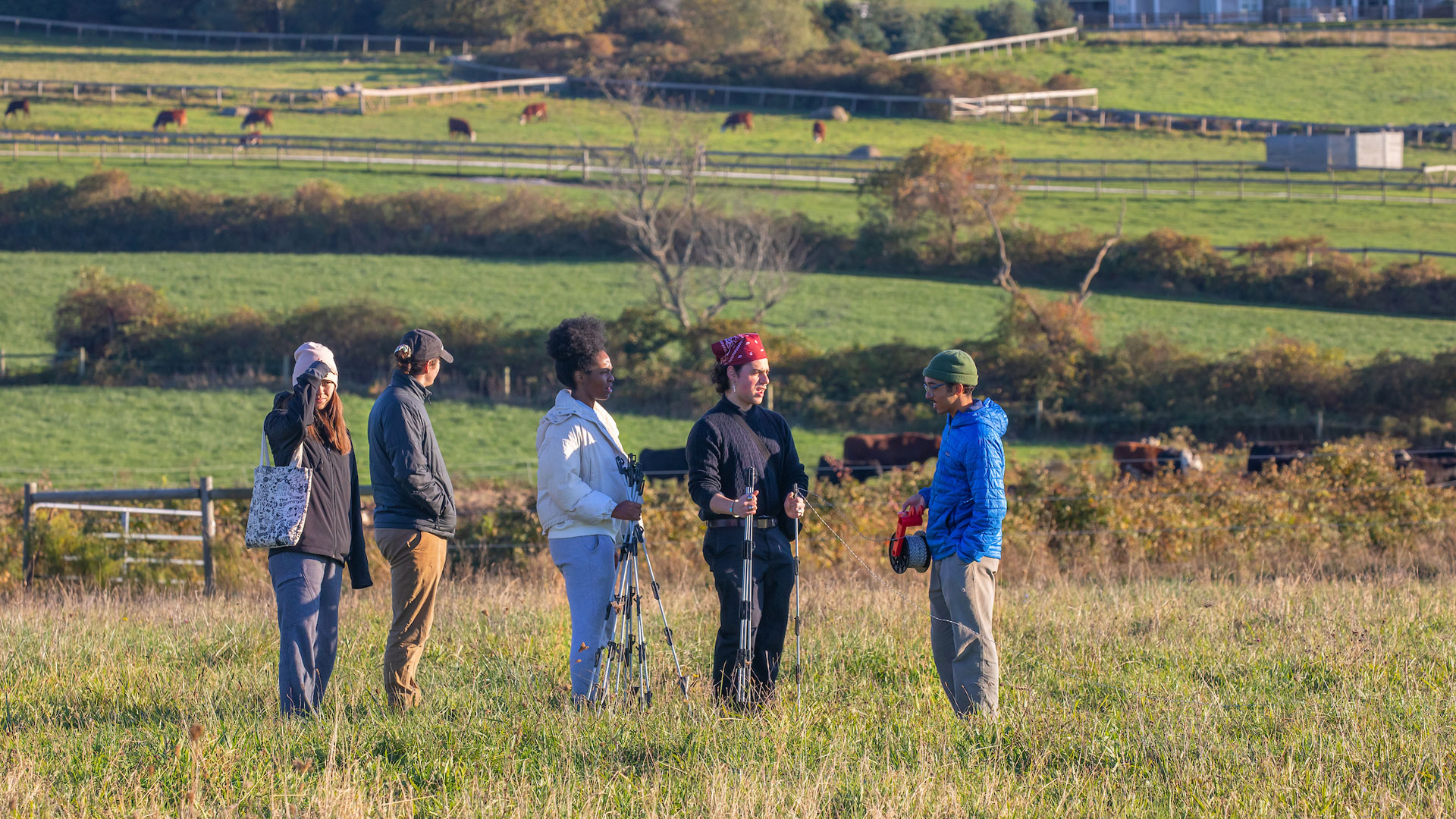
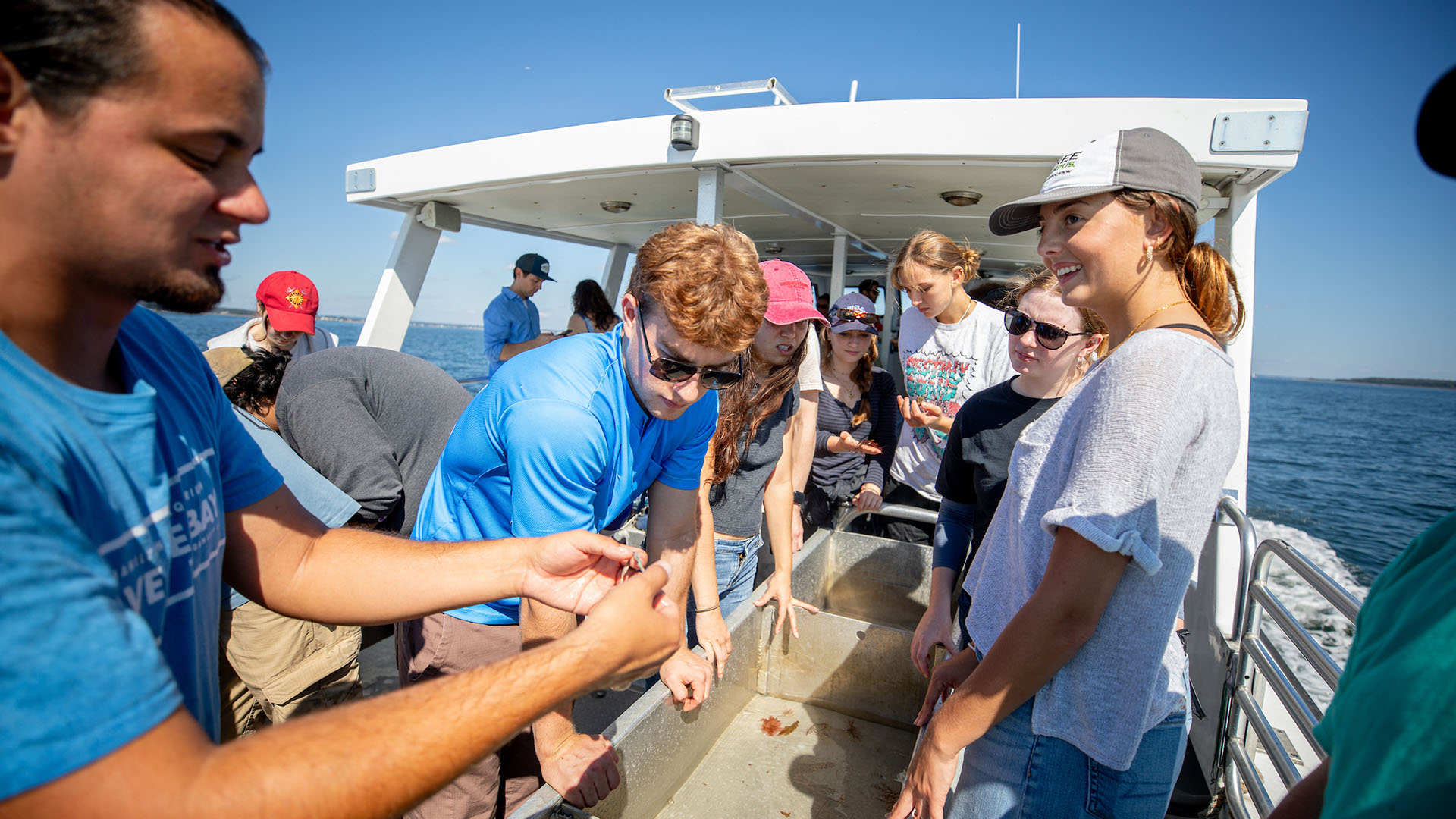
At JWU, sustainability is not taught as an abstract concept — you will learn by doing. Sustainable Food Systems takes you out of the classroom to local farms, ocean estuaries, and community food hubs to explore the challenges and complexities of producing food from the people who do it. In addition, you will build cooking and baking skills in professional kitchens, conceptualize seasonal dishes in farm-to-table labs, and apply systems thinking to real-world production, policy and community health challenges.
Professor Branden Lewis, program lead and faculty mentor, emphasizes that the program is designed to move students beyond theory and into action: “Understanding the politics of food matters — but real change happens when students also have the skills to act.”
Through applied projects, leadership-focused coursework and experiential learning, you will develop the ability to translate knowledge into action. Graduates leave prepared to lead change as food system practitioners — whether in kitchens, farms, nonprofits, businesses or policy spaces — equipped to build stronger and more efficient food systems.
Career Possibilities
Some professions may require additional study, background checks, certifications, licenses, exams and/or experience as required qualifications for employment. Students are responsible for verifying that they can meet the employment requirements of potential employers.
Careers include:
Farm to Table Chef
Food Business Entrepreneur
Food Education Coordinator
Food Policy Analyst/Advocate
Food/Culinary Program Lead
Food Innovation Consultant
Supply Chain Strategist
Sustainability Manager
Find Your Area of Focus
Within the Sustainable Food Systems curriculum, you have 24 free elective credits to tailor your degree to your interests and career goals.
Working with your advisor, explore courses across the university, including study abroad or exchange experiences, additional internships, or a deeper dive into specialized areas of focus to build a personalized and market-ready skillset.
Recommended areas of interest for Sustainable Food Systems majors include:
Gain a strong science-based complement by deepening your understanding of how food impacts health, communities and ecosystems. Opens doors to roles like wellness or nutrition program coordinator in food systems enterprises, food industry sustainability consultant, healthy menu developer for food service organizations, or community food & health advocate.
Learn how to conceptualize, pitch, finance and manage new ventures. Opens doors to roles like founding your own sustainable food startup, becoming a business development manager for a regenerative-agriculture enterprise, launching a food-tech platform, or working as an entrepreneurial leader within a larger food-system organization.
Gaining knowledge of epidemiology, health policy, program planning and the social determinants of health opens doors to potential roles in community health, food-policy analysis, sustainable-food enterprises or community wellness-focused nonprofits.
Learning to manage the flow of materials, information and finances directly complements a focus on food production, sustainability and food-system dynamics. Opens doors to roles like sustainable procurement specialist, supply-chain analyst in food & beverage, or operations/fulfillment manager for companies focused on local/regenerative food systems.
Develop a stronger understanding of how policy, governance and social justice shape food systems to pursue careers in food-system consulting, policy or advocacy roles in government and NGOs, or leadership positions in sustainable food enterprises.
Studying Sustainable Food Systems offered me the opportunity to exercise culinary creativity while learning the policy, scientific and social impact of our U.S. food system. With this background, I was able to move directly from an internship to a full-time position supporting Rhode Island community foodways after graduation.”
Kristen Dayton ’24, Harvest Kitchen Program Coordinator at Farm Fresh R.I.