
Food Systems Innovation & Leadership M.S.
Degree: M.S.
Location(s): Rhode Island
Start Date: Fall
Length: 1 year
Cost: $842 per credit*
Credits: 30
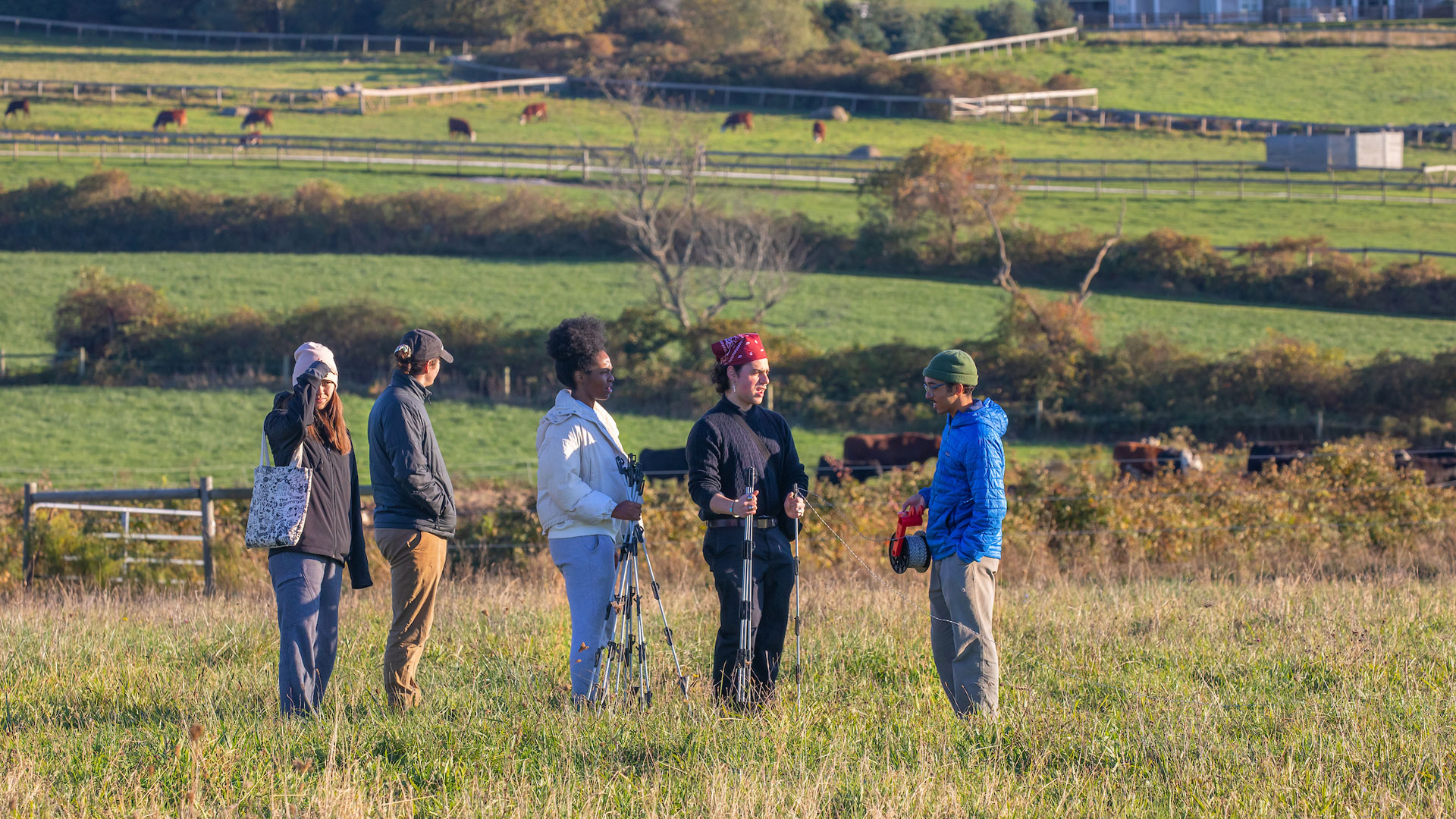
Transform Global Food Systems
Resolving our global food issues requires systems-based solutions. JWU Providence’s Master of Science in Food Systems Innovation & Leadership combines applied research, food web analysis and organizational leadership to train the next generation of food leaders.
Gain the skills to design, manage and scale sustainable food initiatives that advance people, businesses and the planet. Program coursework explores the global food system from multiple perspectives, equipping you to navigate complexity and lead change across food organizations and sectors.
The program culminates in an action-based research capstone that prepares you to implement ethical, scalable solutions within real food system contexts.
This SEVIS STEM-approved program qualifies F-1 graduates to apply for the 24-month STEM Optional Practical Training (OPT) extension, enabling them to gain hands-on professional experience in the U.S. after graduation.
This program allowed me to analyze complex food system challenges and develop resilient solutions with real-world impact.”
Creating More Resilient Food Systems
Our food systems serve people and communities. But what happens when these systems fail us? This master’s level program teaches students about applying systems thinking to address food system issues from a leadership perspective.
Unique attributes of the program include:
- This STEM-aligned, multidisciplinary program is delivered by faculty with deep knowledge of management, policy, law and food systems leadership.
- The ability to examine global food systems issues from the unique perspective of chefs and other food system experts, leveraging JWU’s reputation as a food thought leader.
- Key program outcomes of developing and implementing solutions to complex equity, effectiveness or efficiency challenges across food supply chains.
- Learning design thinking, systems analysis, and entrepreneurial methods to create scalable, sustainable solutions. Coursework emphasizes organizational leadership, collaborative problem-solving, and effective team management.
- The program culminates with an “action research” thesis capstone focused on investigating a systemic food system issue aligned with your professional practice.
Develop Solutions to Food Challenges
The program’s capstone unites adaptive thinking, rigorous inquiry and responsible action. Employ a critical lens to research and evaluate systemic challenges, then design, test and implement potential solutions. Learn to apply the principles of “action research” (taking action, studying results and changing your approach based on what works) in real-world contexts and communities.
Students have taken on a wide range of topics, including:
- Impact of culinary-driven community food rescue programs on food waste and food insecurity in the Providence area
- Transforming convenience stores into health hubs by improving fresh food access
- Decreasing home kitchen food waste by increasing food literacy
- Identifying solutions to composting barriers in Rhode Island to support zero food waste goals
- Investigating consumer perceptions of vegan analogs
Curriculum
*The estimated cost per credit rate is effective for the 2026–27 academic year and is subject to change annually. The Cost of Attendance (COA) is the estimated total amount it will cost a student to attend JWU each year. For more information, contact Student Financial Services.
This program gave me the tools to think beyond the kitchen and contribute meaningfully to how food systems work in the real world.”
Career Options
Some professions may require additional study, background checks, certifications, licenses, exams and/or experience as required qualifications for employment. Students are responsible for verifying that they can meet the employment requirements of potential employers.
- Corporate sustainability manager/director
- Food systems policy analyst
- Innovation manager
- Product development leader
- Food systems consultant
- Nonprofit program director (food & sustainability)
- Supply chain sustainability specialist
- Applied food systems scientist/researcher
- Social enterprise entrepreneur
Faculty Contact
Branden Lewis, Ed.D., CEC
Professor
College of Food Innovation & Technology
401-598-1972
branden.lewis@jwu.edu