JWU Hospitality Students Explore African American Foodways Through Feast & Field Experience
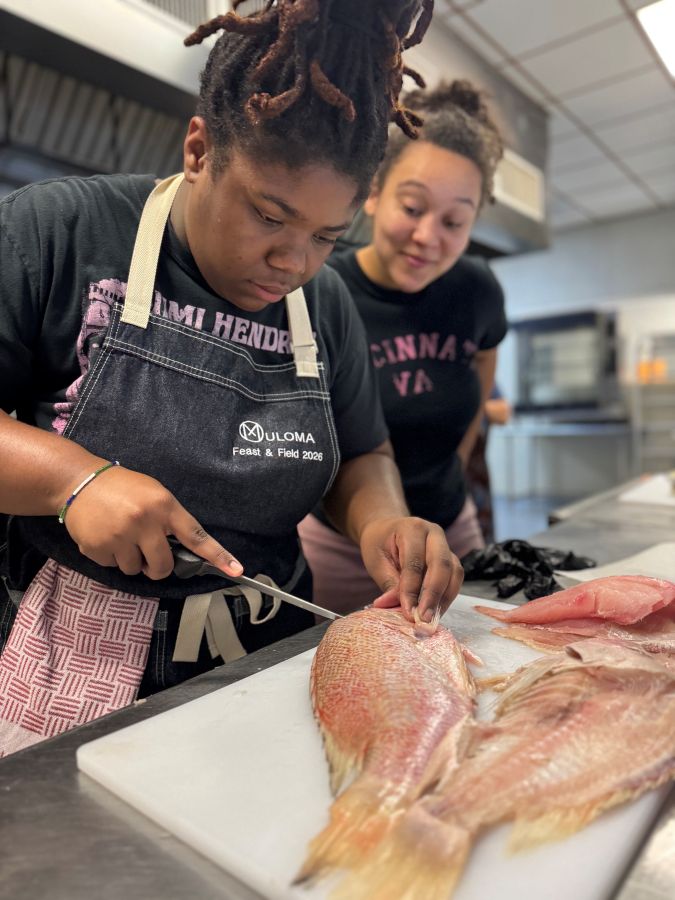
Through the Muloma Heritage Center’s Feast & Field experience, Christiana Bell ’27 and Acelynn Givens ’28 explored African American foodways, sustainable agriculture and the cultural traditions that continue to shape Lowcountry cuisine.
A chef’s education begins long before a dish reaches the table.
It begins with understanding the ingredients, where they come from, the people who grow and harvest them and the traditions that have shaped their role in our lives.
After all, food is more than sustenance. It tells stories about culture, history, purpose and celebration.
Earlier this semester, with the generosity from a university donor, Bell and Givens participated in the Muloma Heritage Center’s Feast & Field experience on South Carolina’s St. Helena Island. The Center selected these students based on their strong academic record and interest in learning more about African American foodways.
“This immersive opportunity is designed to connect students with the people, land, history and traditions that shape African American and Lowcountry foodways,” shared Adrian Lipscombe, executive director with the Muloma Heritage Center. Through hands-on experiences with chefs, farmers and community leaders, students gained a deeper understanding of African American foodways, the traditions, ingredients and practices that have shaped generations of southern cooking.
For Bell, a Food and Beverage Entrepreneurship major, the opportunity was a full circle moment as Lipscombe had contributed an interview for Bell’s 52-page honors thesis last year. Her thesis, entitled “Making it Work for the Future,” focused on the impact of enslaved African Americans on southern baking traditions. Feast & Field gave Bell the opportunity to reconnect with Lipscombe while learning firsthand from other Black chefs, farmers and culinary leaders.
Over the course of the week, Bell and Givens learned how to become better chefs not only through food preparation techniques, but also by gaining a deeper understanding of where different foods originate and the cultural and historical significance behind them.
Exploring African American Foodways and Lowcountry Culinary Traditions
“Learning directly from Black chefs, farmers, elders and community leaders helps students understand where food comes from, whose knowledge sustains it and their own responsibility in carrying these stories and practices forward,” said Lipscombe.
“Visiting a rice field in South Carolina was awesome,” said Givens. “We learned that Carolina Gold Rice got its name not just because of how the sun hits it but because of how much money it brought into South Carolina in the late 17th century.”
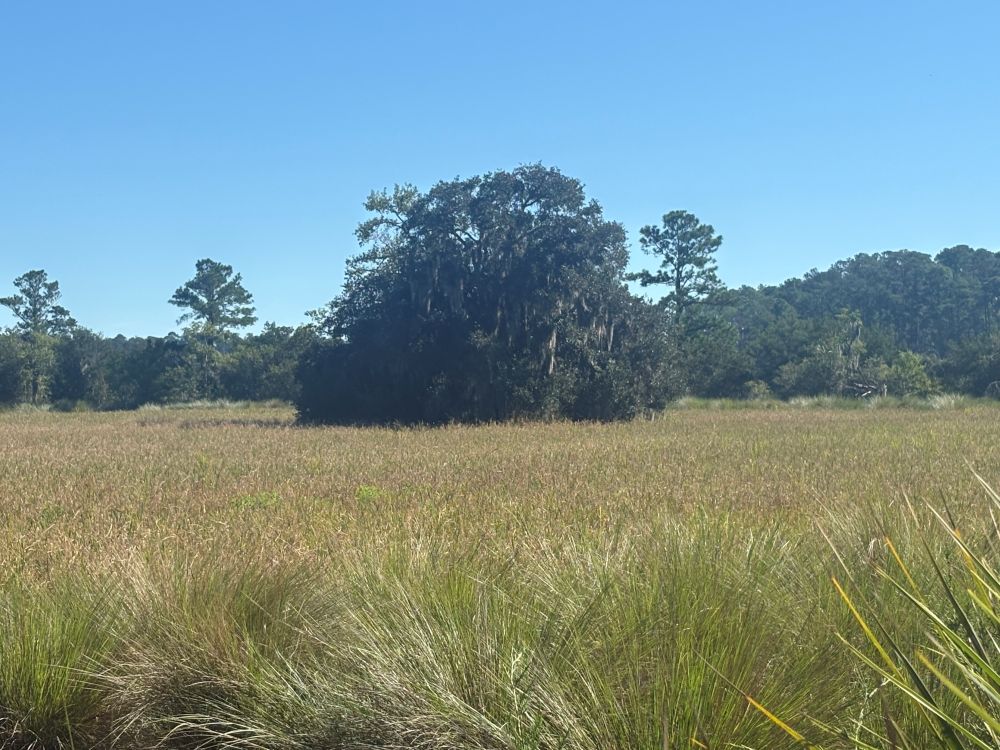
“I think one of the most interesting people I met during the week was Mr. Marion ‘Rollen’ Chambers, a fourth-generation farmer, and owner of Rollen’s RAW Grains,” shared Bell. “His work has helped to restore the heritage of rice cultivation, and it was interesting to learn about his ancestry. It was truly beautiful to see the almost forgotten history of African rice growing techniques and how the rice grown by Mr. Chambers is consumed by so many.”
On another day, Bell and Givens joined the 10 other students on a boat ride through the low country marshes where they learned about oyster harvesting and sustainable seafood production from local oyster farmer, Ernest McIntosh.
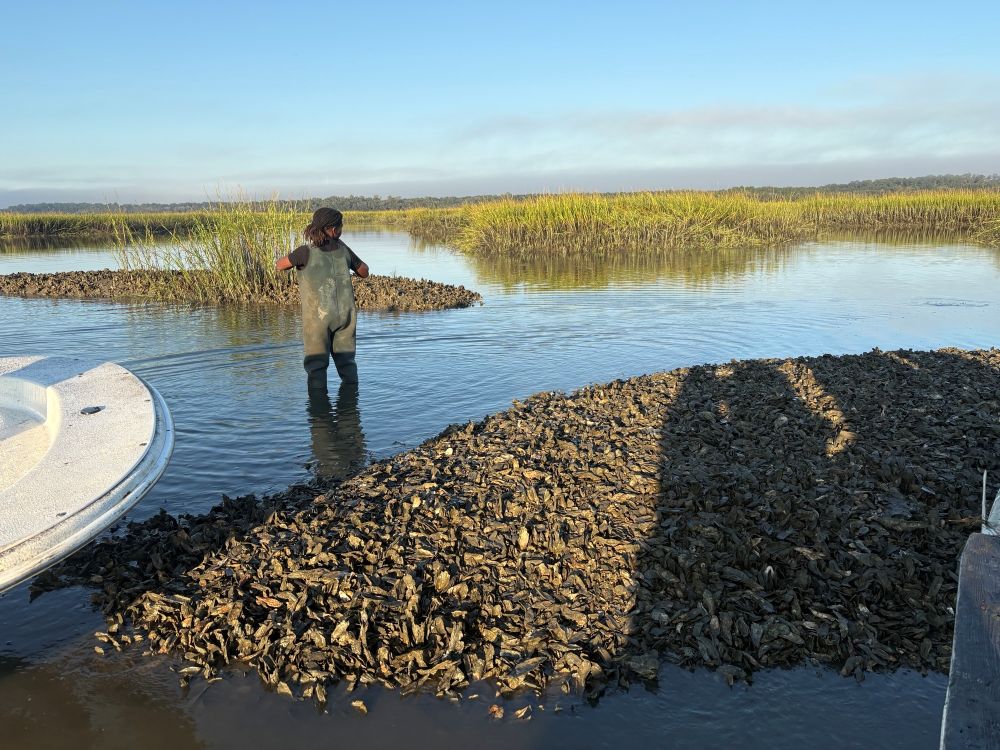
They also learned how water levels affect oyster seeding and why those factors are critical to maintaining healthy ecosystems and successful harvests. The group explored crab harvesting practices and how different trap designs can influence sustainability outcomes.
Following the boat ride, both dove into a delicious seafood boil and freshly roasted oysters, making the connection from water directly to the table. While Bell and Givens have had oysters in the past, Givens shared, “They weren’t overwhelmingly fishy and having them baked over an open fire kept the fresh taste.”
As the week continued, locals continued to make positive impressions on Bell and Givens. “One of the most interesting people I met during my week was Mr. Frazier, also known as Barefoot, who owned and operated Barefoot Farm. Growing up with 11 sisters, Barefoot’s family didn’t have money for shoes, so they went without, and to this day, Barefoot doesn’t wear shoes on his farm,” said Givens.
“Throughout the morning, Barefoot showed us different crops, talked about pollination and genetic modification and had us taste different watermelons right off the vine. As a JWU Applied Food Science major, all of that really piqued my interest.”
Learning Food Preservation, Sustainable Agriculture and Culinary Skills
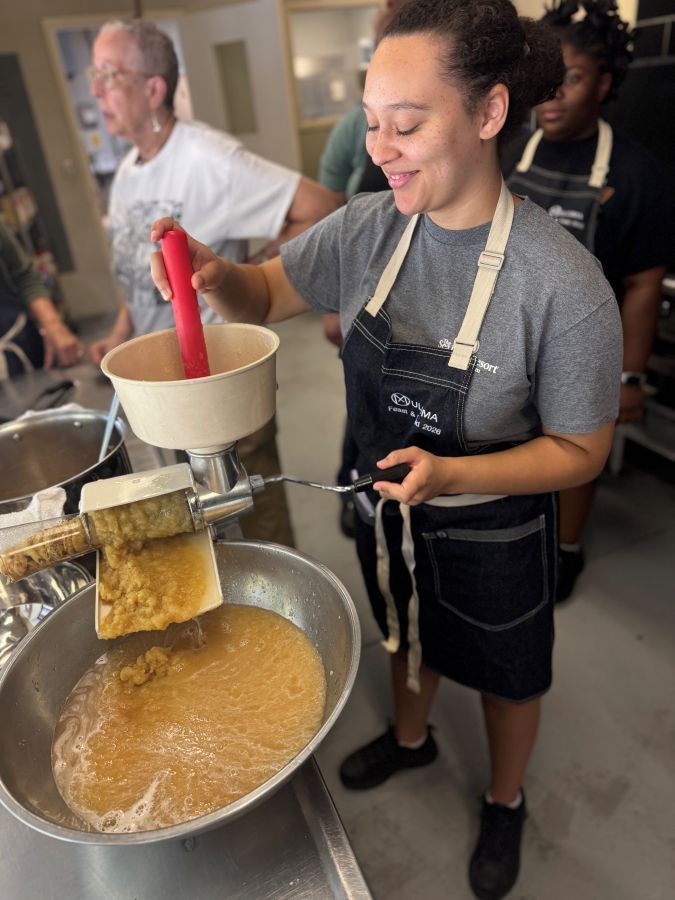
Experiencing baking, farming, butchery and different canning practices firsthand were among the highlights of the week. The experiences reinforced the importance of knowing where food comes from, supporting sustainable food systems and developing practical skills to provide for yourself.
“Learning how to can at JWU gave me the technical skills, but this experience helped me further understand the history behind canning and the practical importance of preserving food, especially in situations without a power source or when seasonal crops are no longer available,” said Givens.
From Field to Table: Showcasing African American Food Heritage
With Feast & Field nearing a close, students combined lessons with inspiration from the week into a community banquet attended by 40 people.
“The community dinner, featuring ingredients from local producers we had the opportunity to meet, was a full circle moment that showcased what we learned during Feast & Field,” said Bell.
Bell made redfish, breaded cornmeal crab croquettes and maple bourbon glazed sweet potato pound cake while Givens made smothered chicken with brown gravy.
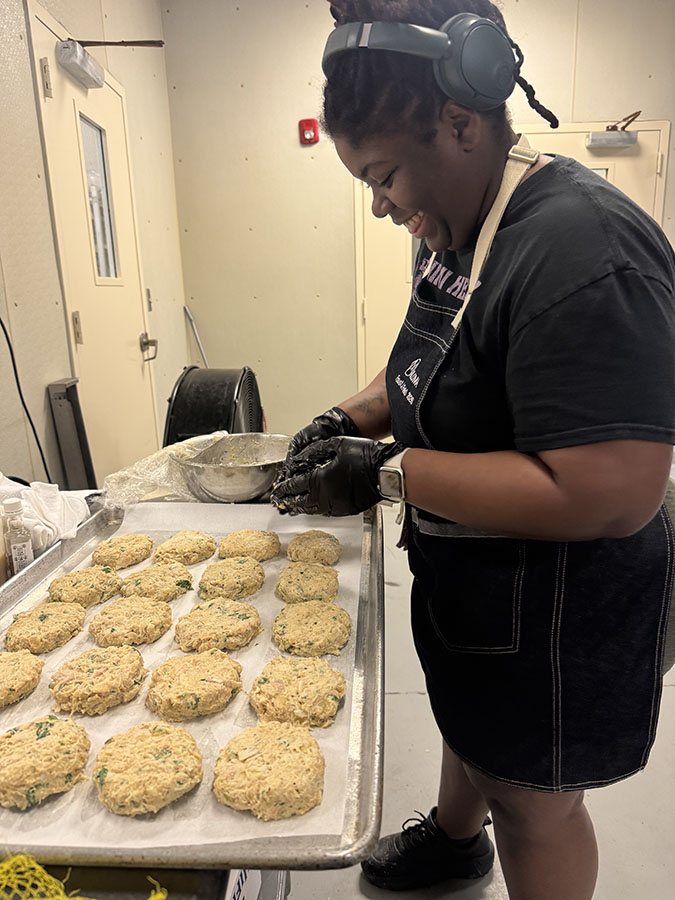
The evening served as a celebration of community, history and culinary education, while highlighting the powerful connections between food, culture and storytelling.
As Bell and Givens returned to campus, they left Feast & Field with more than new culinary techniques. They carried with them a deeper understanding of the people, traditions and stories behind the ingredients they work with every day.
“Christiana and Acelynn went above and beyond to deepen their understanding, asked thoughtful questions and demonstrated excellent teamwork while collaborating with students from other schools,” said Lipscombe. “We look forward to staying in touch with them, offering mentorship and connecting them with opportunities to support their futures in the hospitality community.”
Givens shared, “I loved that this experience gave me a chance to connect with Black chefs who want to share their culture with chefs like me so that those traditions are kept alive for many generations to come.”
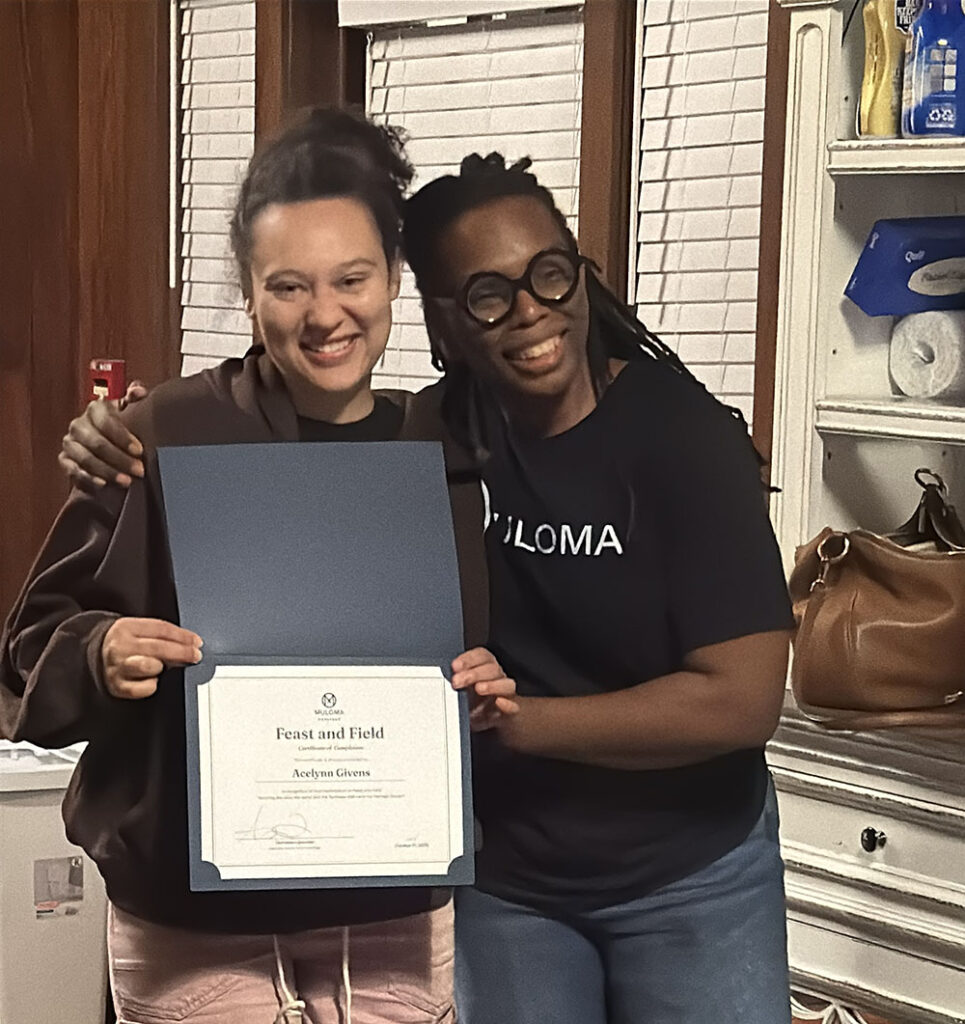
And for Bell, “This was an amazing opportunity for me to meet so many Black chefs —representation I wish I had seen more of growing up—and Black farmers, who make up such a small percentage of farmers today. I’m grateful for the opportunity I was given to learn more about cultural traditions through food, and I hope to help keep them alive.”