Education at the Speed of Industry
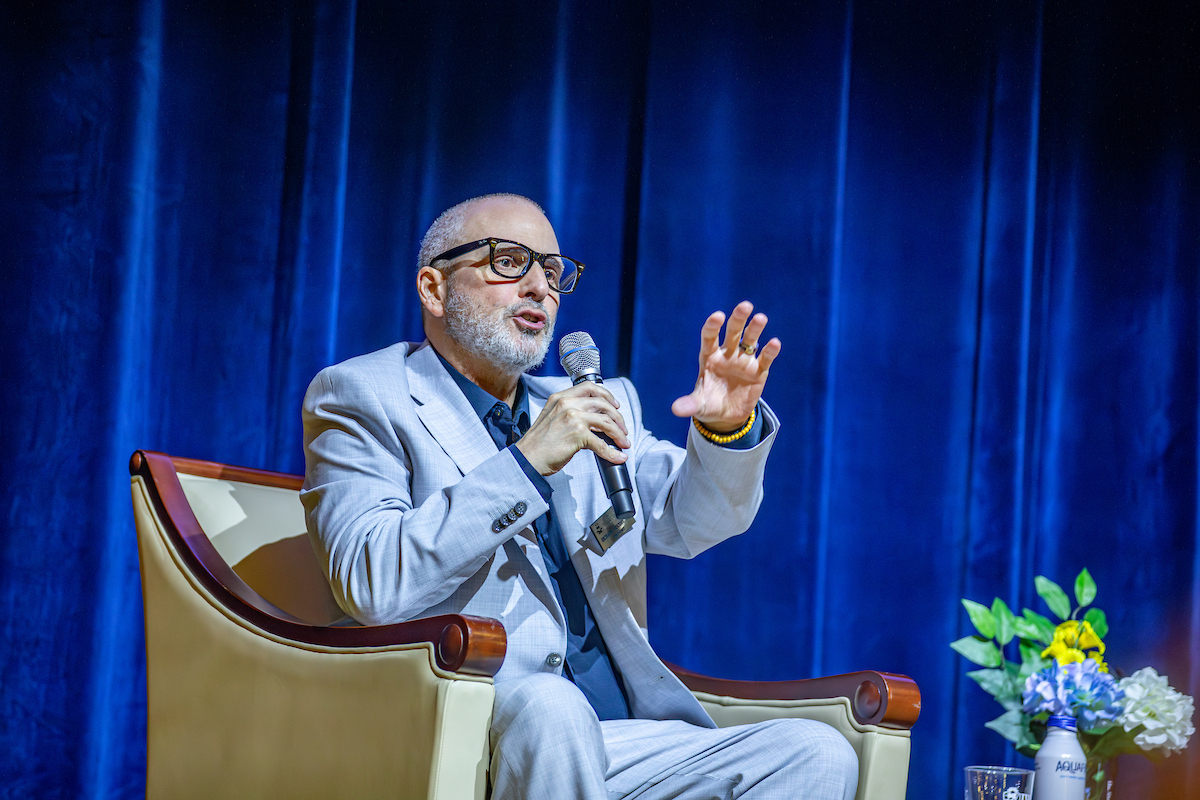
As employers adapt to new technologies, evolving customer expectations and workforce needs, higher education must keep pace. At Johnson & Wales University, that means bringing industry into the learning experience and bringing real-world experience into the classroom.
In Providence Business News’ 2026 Rhode to Work publication, Provost Richard Wiscott explores how JWU prepares career-ready graduates to meet the evolving needs of Rhode Island’s workforce and strengthen the state’s economic future.
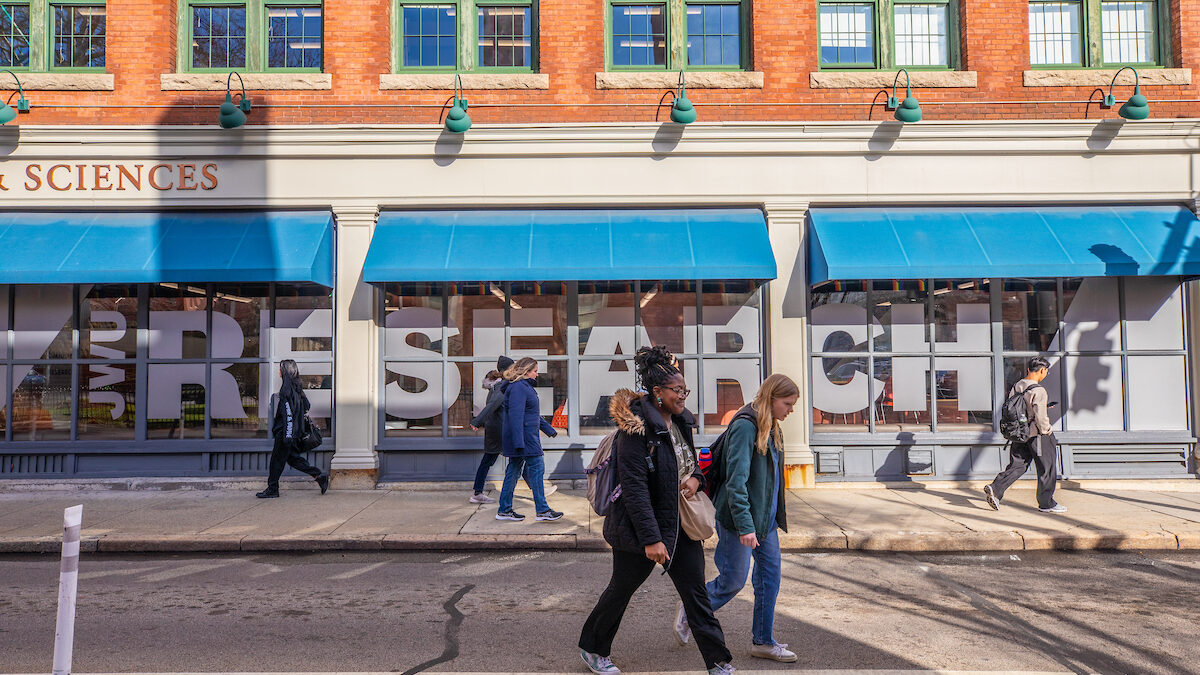
Education at the Speed of Industry: Q&A with Provost Richard Wiscott
1. Rhode Island employers are navigating change across nearly every industry. What does that mean for higher education?
It means we can’t prepare students for a static workforce. Industries are changing quickly, from AI and technology to healthcare, hospitality and business. Higher education has to be responsive enough to keep pace while giving students a foundation that will last. At JWU, that means staying close to industry, listening to employers and giving students opportunities to apply what they’re learning in real situations.
2. How has the definition of a “career-ready graduate” changed over the past decade?
Technical knowledge is still important, but employers increasingly need people who can communicate, collaborate, solve problems, think critically and adapt quickly. That’s central to JWU’s REAL — Reimagining Experiential & Applied Learning — approach. Students practice those skills through simulations, labs, research, fieldwork, industry projects and other hands-on experiences. Career readiness isn’t just being prepared for your first job; it’s having the confidence and transferable skills to keep learning as your career evolves.
3. Many universities talk about industry partnerships. What should those partnerships actually accomplish?
A meaningful partnership should have a real impact on what and how students learn. The best partnerships create a feedback loop between employers and the university. We listen to what’s changing in an industry, bring that perspective into curriculum and program development, and give students opportunities to put those ideas into practice through internships, projects and mentorship. That’s when a partnership becomes a workforce pipeline, not simply a recruiting relationship.
4. AI is changing nearly every profession. What shouldn’t change?
Technology will change, and our graduates need to know how to work with it. But the human skills behind good work aren’t going away: curiosity, judgment, communication, critical thinking, leadership and collaboration. As technology takes on more routine work, knowing what questions to ask, evaluating information and making thoughtful decisions become even more valuable.
5. What’s one misconception people have about workforce preparation today?
That it’s about training someone for one particular job. Careers don’t move in a straight line anymore. We’re preparing students for their first job, but also to recognize opportunities, navigate change and continue learning throughout their careers. That’s why experience matters so much at JWU. Through internships, projects, research, fieldwork and other applied experiences, students put what they learn into practice and build the confidence to apply it in the workplace.
Industry is Shaping Education
Work is Changing. Here’s How JWU is Responding.
Across industries, employers need professionals who can adopt, collaborate and put knowledge into practice. At Johnson & Wales, students build those skills through industry-connected academics and experiences that mirror the workplace.
HOSPITALITY
The shift: Hospitality is becoming an experience-driven industry, with technology, personalization and changing consumer expectations reshaping travel, tourism, events and food service.
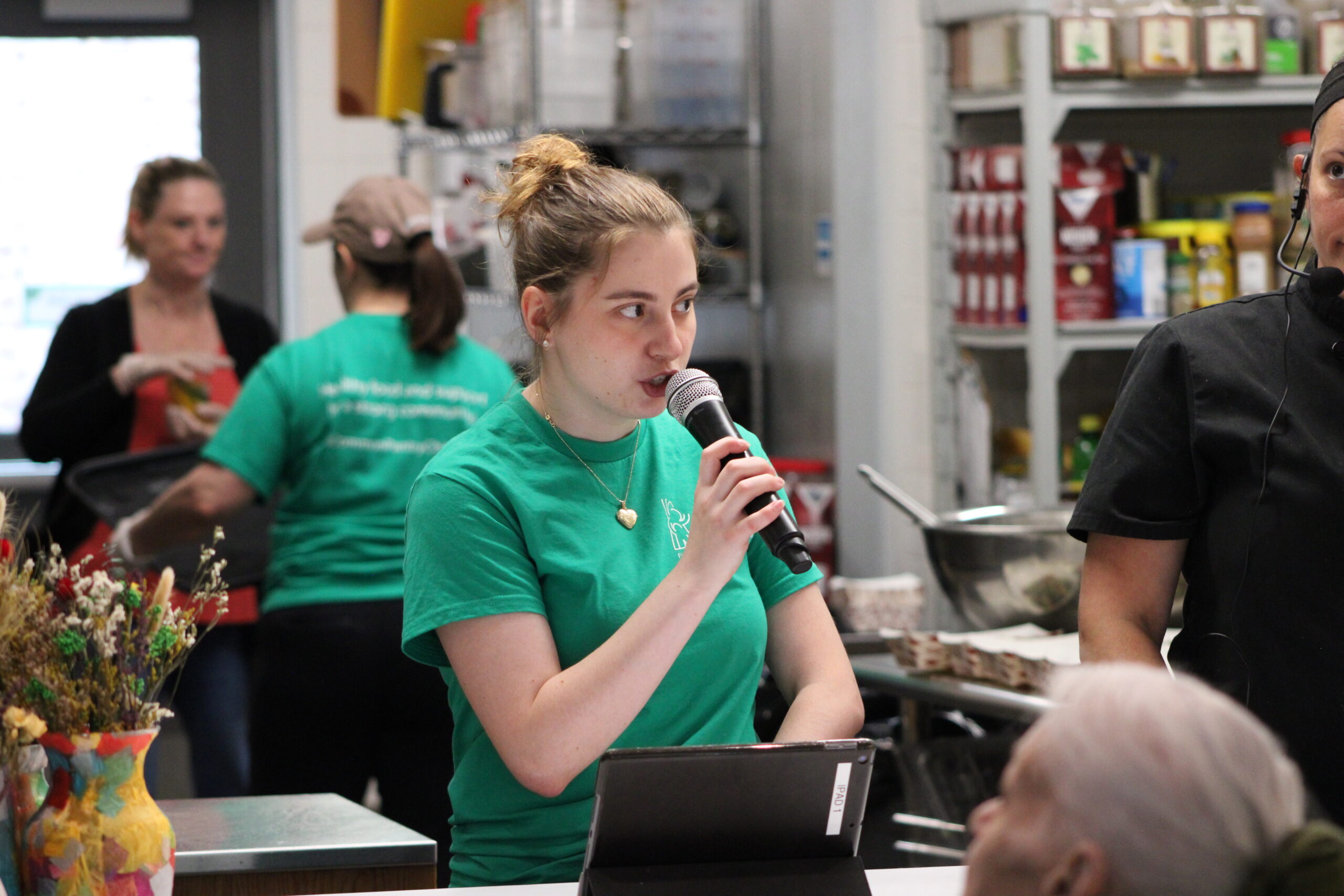
JWU’s response: Students don’t just study hospitality; they run restaurants, plan live events, work with industry partners and gain experience across the guest experience.
HEALTHCARE
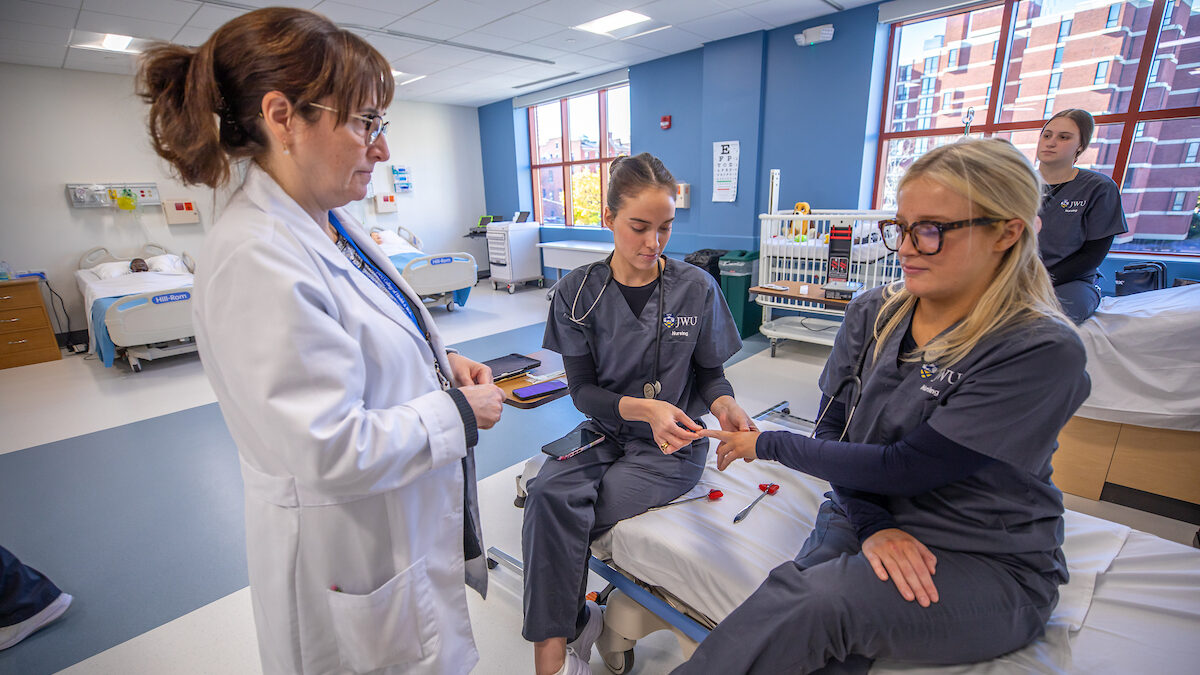
The shift: Healthcare is increasingly team-based, technology-enabled and focused on whole-person care.
JWU’s response: Students learn in high-fidelity medical simulation and specialty clinical labs while developing clinical decision-making and interprofessional communication skills alongside future healthcare professionals.
BUSINESS
The shift: Employers need business professionals who can analyze information, solve problems and lead through uncertainty.
JWU’s response: Students put strategy into practice through real client projects, live investment decisions, consulting experiences, internships and industry-connected labs.
ENTREPRENEURSHIP
The shift: Entrepreneurial thinking is increasingly valuable whether you’re launching a company or driving innovation inside an established organization.
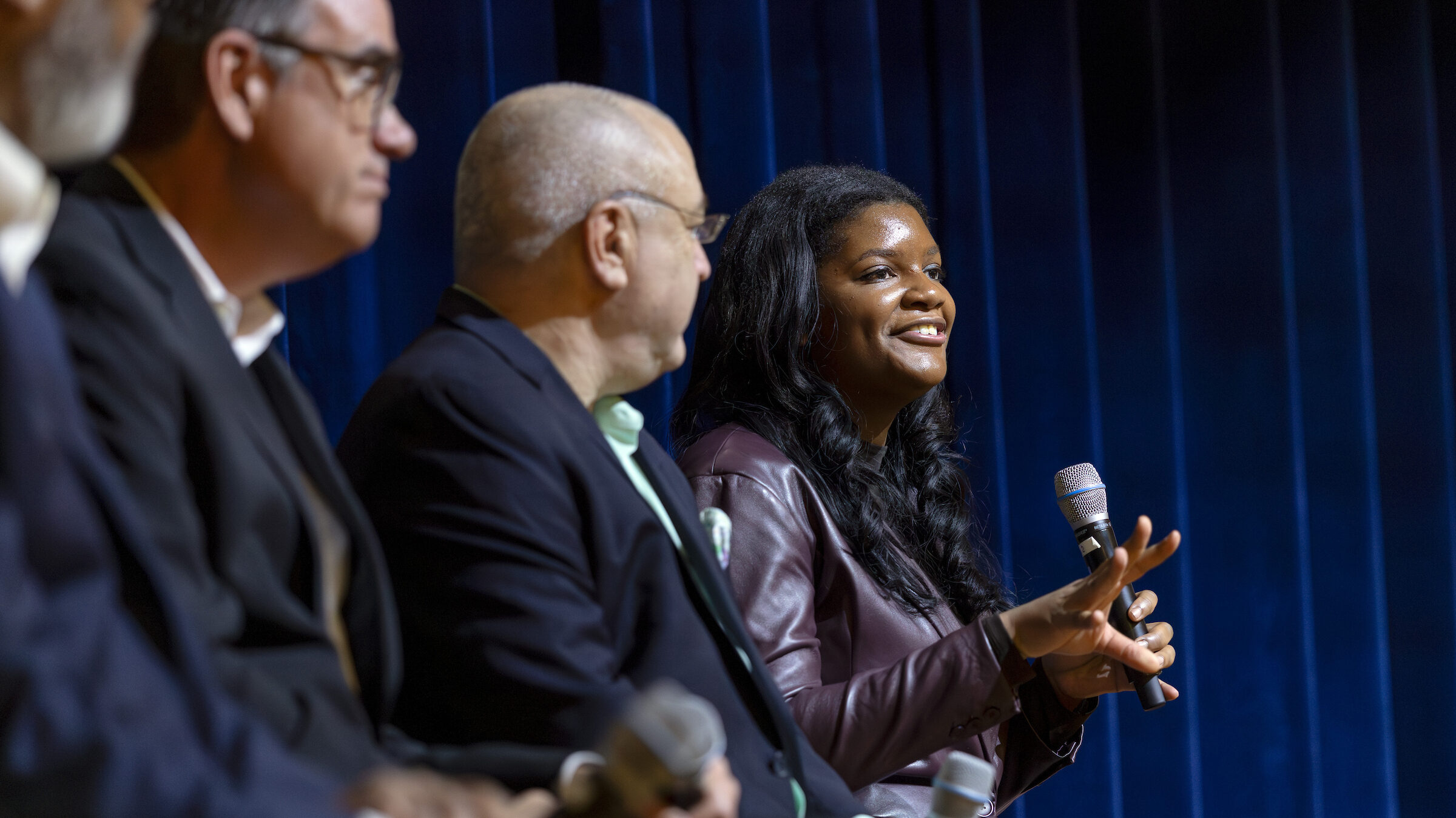
JWU’s response: Through the Launch Pad and Sharkfest, students turn ideas into business pitches, refine them with mentors and gain experience presenting to real audiences — and, in some cases, funding to take the next step.
FOOD INNOVATION
The shift: Food is no longer just about what’s on the plate. Sustainability, nutrition, food security, technology and product development are reshaping the industry.
JWU’s response: Students explore food from the lab to the marketplace, working across culinary science, sustainability, product development and entrepreneurship. Partnerships with industry and organizations such as Ecolab and USDA/RIDE bring real-world challenges into that work.
CRIMINAL JUSTICE
The shift: Today’s criminal justice professionals need to navigate evolving technology, complex cases and increasingly collaborative approaches to public safety.
JWU’s response: Faculty with decades of law-enforcement experience bring current training, professionals and case studies into the classroom — giving students access to the same networks and knowledge shaping the field today.
DESIGN & CREATIVE INDUSTRIES
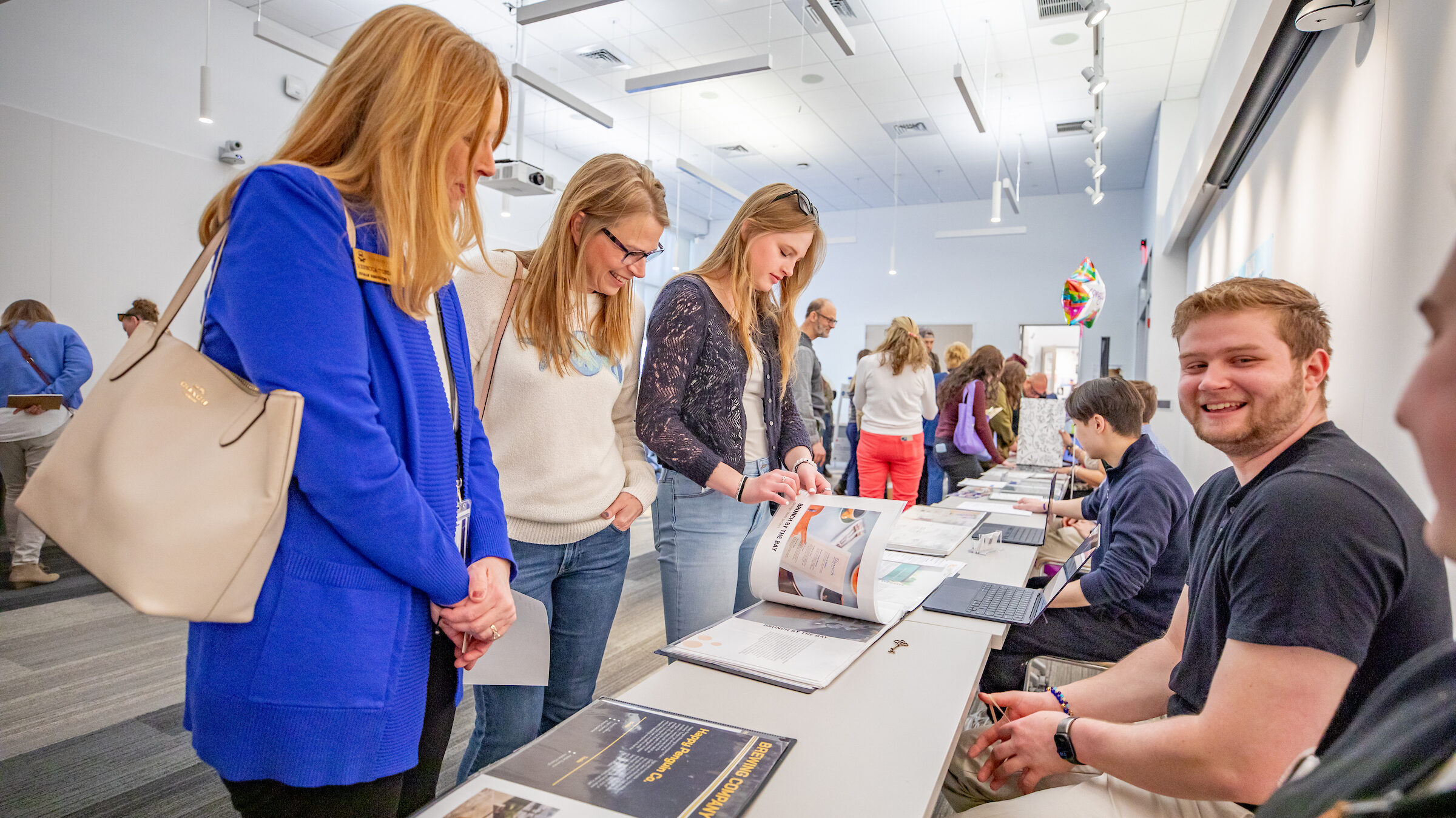
The shift: Creative professionals are expected to pair strong creative thinking with technology, strategy and the ability to solve real business problems.
JWU’s response: Students work with real clients, build professional portfolios, and take projects from concept through completion. Recent students have worked on branding, websites and even a public art installation in downtown Providence.