
Food & Beverage Entrepreneurship B.S.
Degree: B.S.
Location(s): Rhode Island, North Carolina
Credits: 121
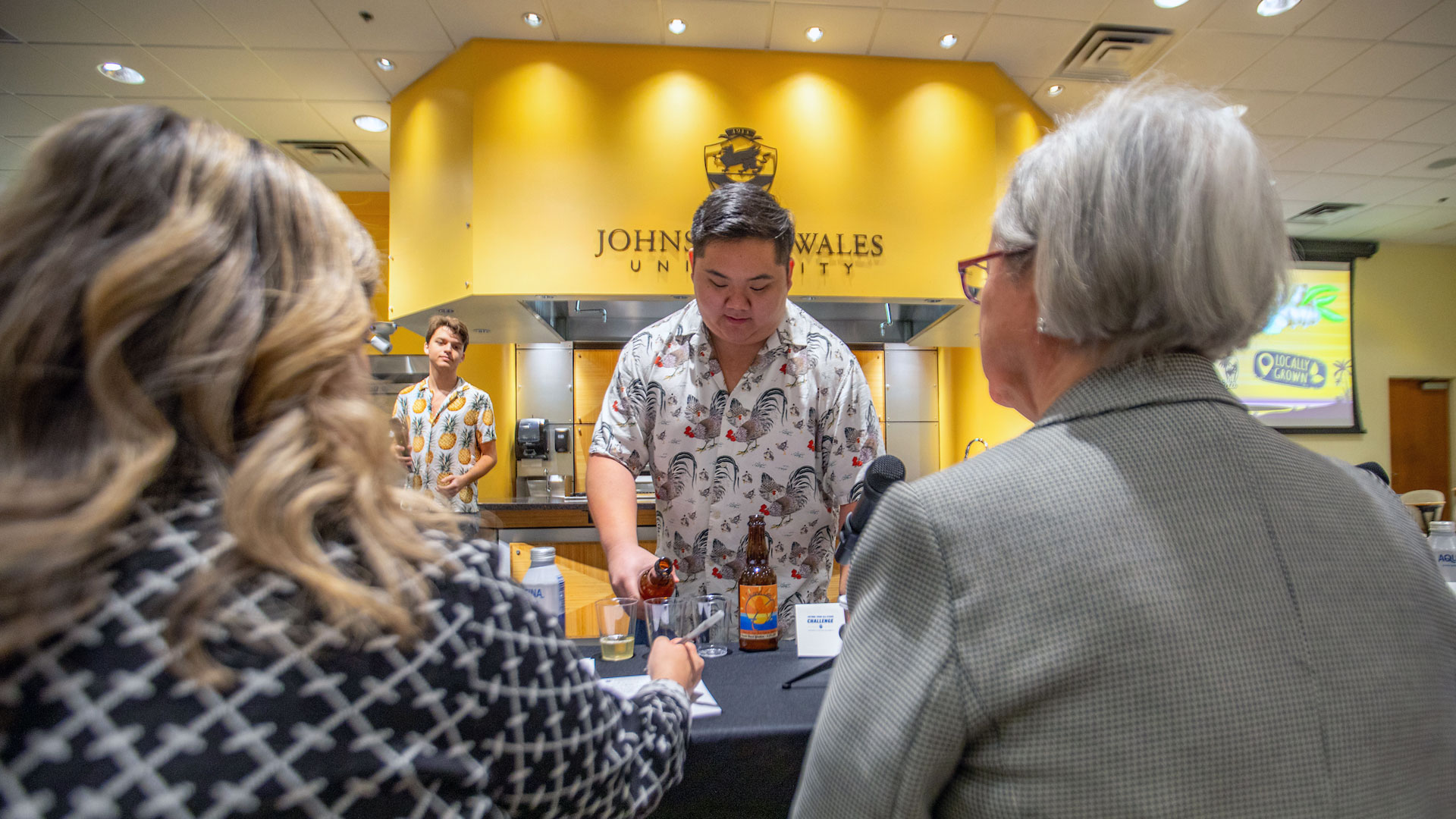
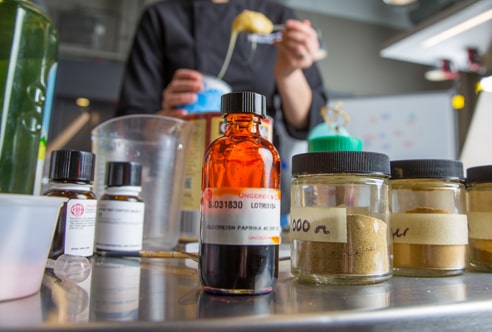

Where Food Meets Entrepreneurship
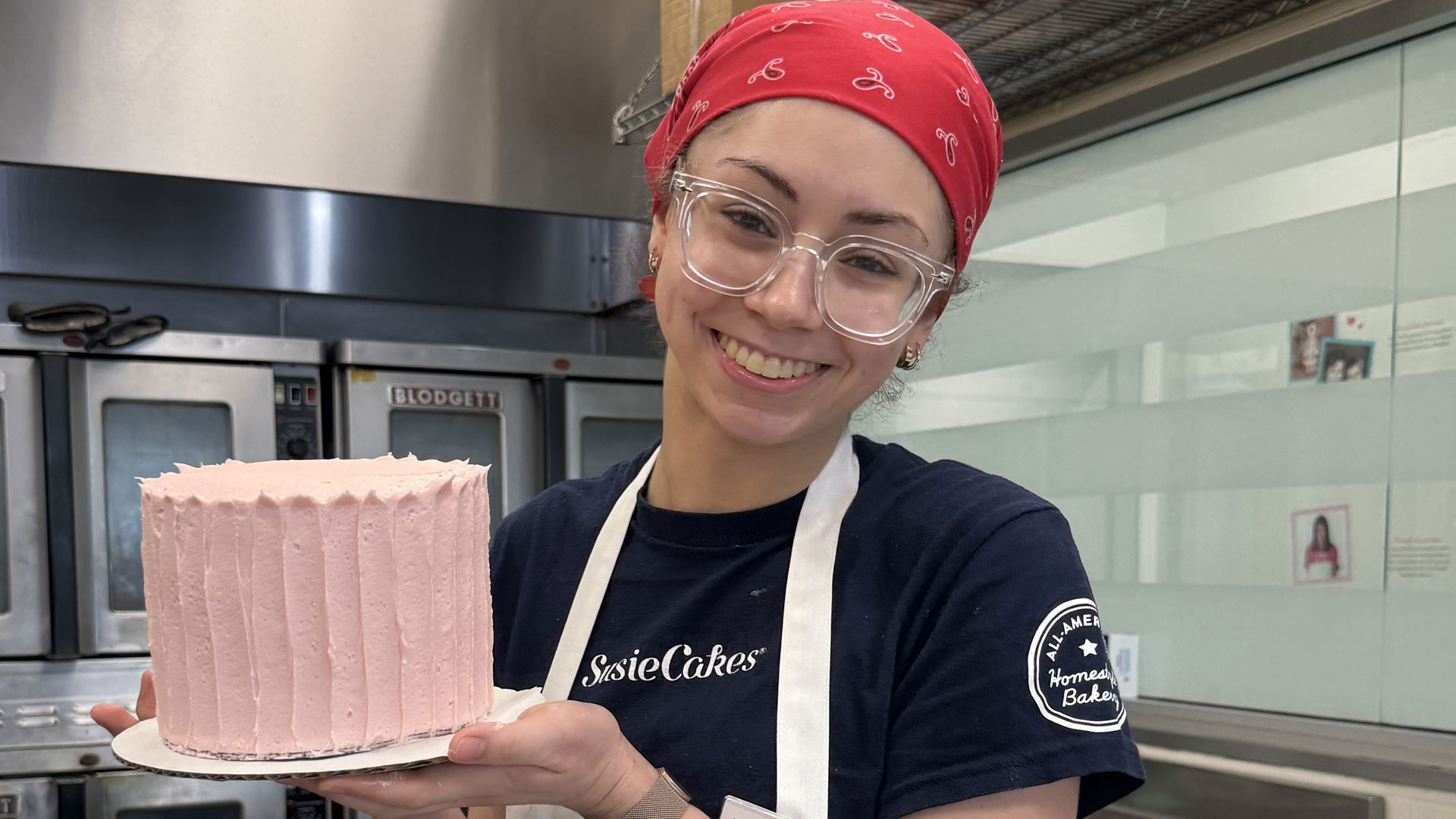
Entrepreneurship isn’t just about having a great idea — it’s also about how you tell the story and connect with your audience. Our Food & Beverage Entrepreneurship bachelor’s degree program prepares you for a career as a food‐based innovator.
This program will teach you what it takes to launch your own venture, from developing a business plan to managing resources, marketing and growth. Courses in entrepreneurship combine with traditional business classes outlining strategies for kickstarting your own business, joining an emerging venture, or working as a corporate entrepreneur in food‐ or beverage‐related industries.
Curriculum and Degree Requirements
Students in the College of Hospitality & Business will apply and adapt their knowledge in innovative ways through the Hospitality & Business Core Experience.
In addition to classes, free elective credit can be applied to a number of options, such as internships, minors, or study abroad. You are encouraged to contact an advisor before scheduling free elective credits.
Credits Foundation Courses | ||
| Choose Culinary Arts or Baking & Pastry Arts Foundation | 18 | |
| Culinary Arts | ||
| Introduction to Culinary Skills and Techniques | ||
| Breakfast & Lunch Cafe | ||
| Elements of a la Minute Cooking | ||
| Contemporary Cooking & Leadership Functions | ||
| Contemporary Restaurant Operations and Management | ||
| Baking and Pastry Concepts for Culinary Operations | ||
| Baking & Pastry Arts | ||
| Foundations of Baking and Pastry | ||
| Principles of Cake Production and Design | ||
| Plated Desserts | ||
| Artisan Bread & Viennoiserie I | ||
| Chocolate, Confections & Mignardise | ||
| Artisan Cafe | ||
| Major Courses | ||
| ENTR2001 | Introduction to Entrepreneurship | 3 |
| ENTR2030 | Pitching & Planning New Ventures | 3 |
| ENTR3015 | Small Business Management | 3 |
| ENTR3030 | Marketing for Entrepreneurs | 3 |
| ENTR4010 | Change and Innovation Management | 3 |
| ENTR4055 | Entrepreneurship Seminar | 3 |
| FSM3035 | Supervision for Food Service Professionals | 3 |
| FSM3040 | Food Service Financial Systems | 3 |
| FSM3215 | Culinary Operations and Facility Management | 3 |
| LAW2001 | The Legal Environment of Business I | 3 |
| Major Electives | ||
| Choose 12 credits of the following: | 12 | |
Any 3000 level or higher course offered from the College of Food Innovation & Technology or Entrepreneurship courses (ENTR subject code) | ||
| Artisan Bread & Viennoiserie II | ||
| Advanced Pastry Applications | ||
| College of Food Innovation & Technology Intermediate Internship (6-12 credits) | ||
| College of Food Innovation & Technology Intermediate Internship (6-12 credits) | ||
| Banquets and Catering | ||
| Global à la Carte | ||
| Cooking for Health and Wellness | ||
| Introduction to Food Product Development | ||
| Food Science | ||
| Food Media Presentation Skills | ||
| Related Professional Studies | ||
| FSM1165 | The Food Safety Manager | 1 |
| FSM2045 | Introduction to Menu Planning and Cost Controls | 3 |
| University Core Curriculum | ||
| Communicating | 9 | |
| Rhetoric & Composition I | ||
| Rhetoric & Composition II | ||
| Communication Skills | ||
| Connecting | 6 | |
Two courses with the Connecting attribute (ECNG), one at the 2000 level, one at the 4000 level | ||
| Experiencing | 6 | |
| Ethics: A Global Perspective | ||
Additional course with the Experiencing attribute (EEXP) in a different discipline | ||
| Measuring | 6 | |
| A Survey of College Mathematics (or higher, based on student’s placement) | ||
| Statistics I | ||
| Exploring | 3 | |
| Nutrition | ||
| Interacting | 6 | |
| Microeconomics | ||
Additional course with the Interacting attribute (EINT) in a different discipline | ||
| A&S Electives | 6 | |
| Macroeconomics | ||
One course with the Arts & Sciences elective attribute (EASC) | ||
| Free Electives | ||
| 15 credits selected from 1000–4999 numbered offerings within the university | 15 | |
| Total Credits | 121.0 | |
|
Credits
Foundation Courses |
||
| Choose Culinary Arts or Baking & Pastry Arts Foundation | 18 | |
| Culinary Arts | ||
| Introduction to Culinary Skills and Techniques | ||
| Breakfast & Lunch Cafe | ||
| Elements of a la Minute Cooking | ||
| Contemporary Cooking & Leadership Functions | ||
| Contemporary Restaurant Operations and Management | ||
| Baking and Pastry Concepts for Culinary Operations | ||
| Baking & Pastry Arts | ||
| Foundations of Baking and Pastry | ||
| Principles of Cake Production and Design | ||
| Plated Desserts | ||
| Artisan Bread & Viennoiserie I | ||
| Chocolate, Confections & Mignardise | ||
| Artisan Cafe | ||
| Major Courses | ||
| ENTR2001 | Introduction to Entrepreneurship | 3 |
| ENTR2030 | Pitching & Planning New Ventures | 3 |
| ENTR3015 | Small Business Management | 3 |
| ENTR3030 | Marketing for Entrepreneurs | 3 |
| ENTR4010 | Change and Innovation Management | 3 |
| ENTR4055 | Entrepreneurship Seminar | 3 |
| FSM3035 | Supervision for Food Service Professionals | 3 |
| FSM3040 | Food Service Financial Systems | 3 |
| FSM3215 | Culinary Operations and Facility Management | 3 |
| LAW2001 | The Legal Environment of Business I | 3 |
| Major Electives | ||
| Choose 12 credits of the following: | 12 | |
|
Any 3000 level or higher course offered from the College of Food Innovation & Technology or Entrepreneurship courses (ENTR subject code)
|
||
| Artisan Bread & Viennoiserie II | ||
| Advanced Pastry Applications | ||
| College of Food Innovation & Technology Intermediate Internship (6-12 credits) | ||
| College of Food Innovation & Technology Intermediate Internship (6-12 credits) | ||
| Banquets and Catering | ||
| Global à la Carte | ||
| Cooking for Health and Wellness | ||
| Introduction to Food Product Development | ||
| Food Science | ||
| Food Media Presentation Skills | ||
| Related Professional Studies | ||
| FSM1165 | The Food Safety Manager | 1 |
| FSM2045 | Introduction to Menu Planning and Cost Controls | 3 |
| University Core Curriculum | ||
| Communicating | 9 | |
| Rhetoric & Composition I | ||
| Rhetoric & Composition II | ||
| Communication Skills | ||
| Connecting | 6 | |
|
Two courses with the Connecting attribute (ECNG), one at the 2000 level, one at the 4000 level
|
||
| Experiencing | 6 | |
| Ethics: A Global Perspective | ||
|
Additional course with the Experiencing attribute (EEXP) in a different discipline
|
||
| Measuring | 6 | |
| A Survey of College Mathematics (or higher, based on student’s placement) | ||
| Statistics I | ||
| Exploring | 3 | |
| Nutrition | ||
| Interacting | 6 | |
| Microeconomics | ||
|
Additional course with the Interacting attribute (EINT) in a different discipline
|
||
| A&S Electives | 6 | |
| Macroeconomics | ||
|
One course with the Arts & Sciences elective attribute (EASC)
|
||
| Free Electives | ||
| 15 credits selected from 1000–4999 numbered offerings within the university | 15 | |
| Total Credits | 121.0 | |
Admission is contingent upon meeting the technical standards for this program.
Build Your Entrepreneurial Skills
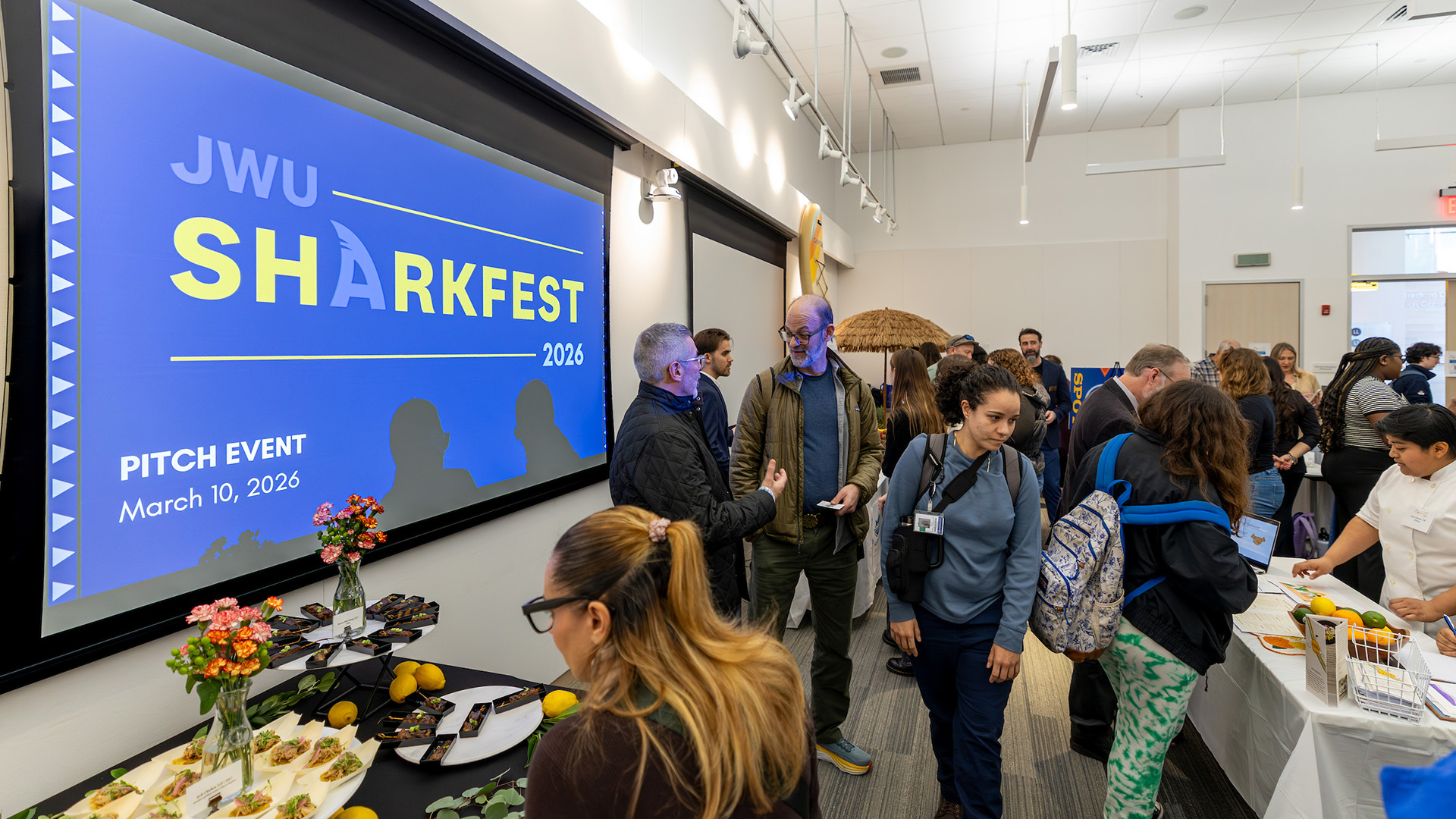
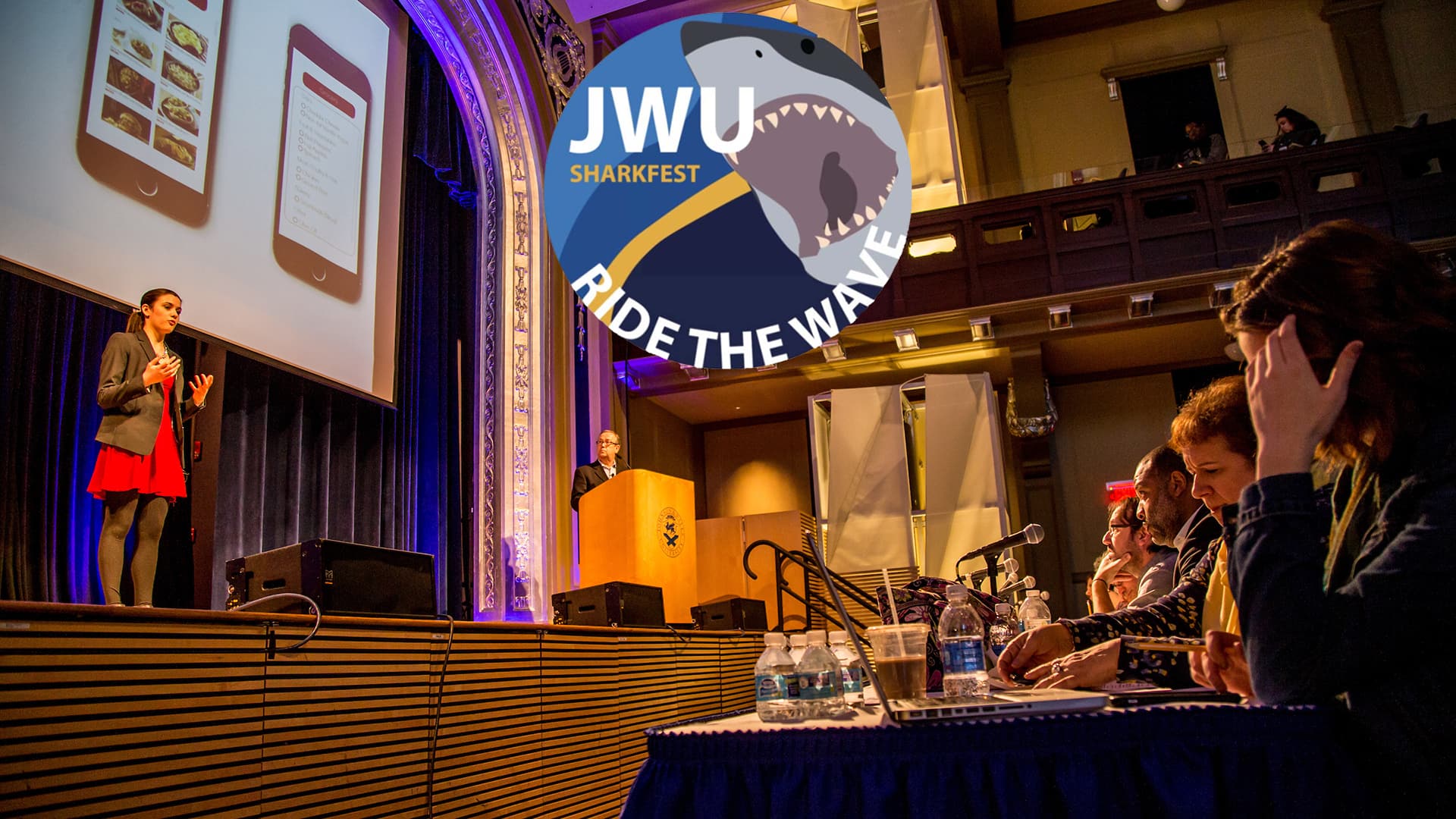
Food & Beverage Entrepreneurship students have opportunities to learn from experienced entrepreneurs in and out of the classroom. Pitch competitions like Sharkfest enhance your coursework with real-world entrepreneurial experience.
Why Study Food and Beverage Entrepreneurship at JWU?
- Begin with an 18-credit core foundation in baking & pastry or culinary arts courses rooted in essential techniques and leadership in the kitchen.
- Learn how to start your own food and beverage venture.
- Gain an understanding of the process of developing your idea from concept to pitch.
- Learn how to fund a startup and make connections with investors.
- Learn skills to market and test your venture.
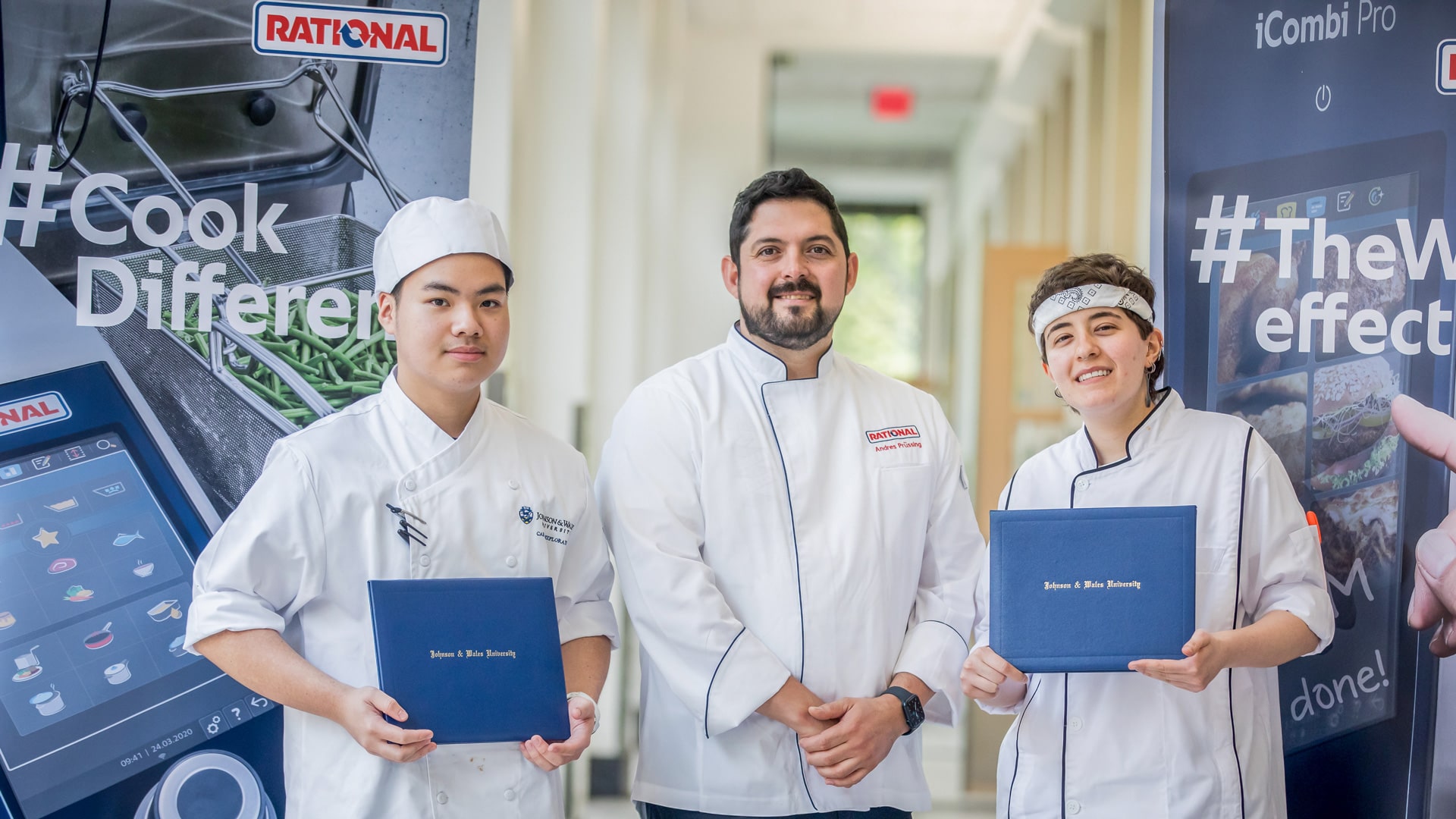
Career Opportunities
- Restaurateur
- Food/Beverage marketer
- Food/Beverage sales professional
- Food/Beverage business owner
- Food/Beverage distributor
- Brewer
- Food truck owner
Some professions may require additional study, background checks, certifications, licenses, exams and/or experience as required qualifications for employment. Students are responsible for verifying that they can meet the employment requirements of potential employers.
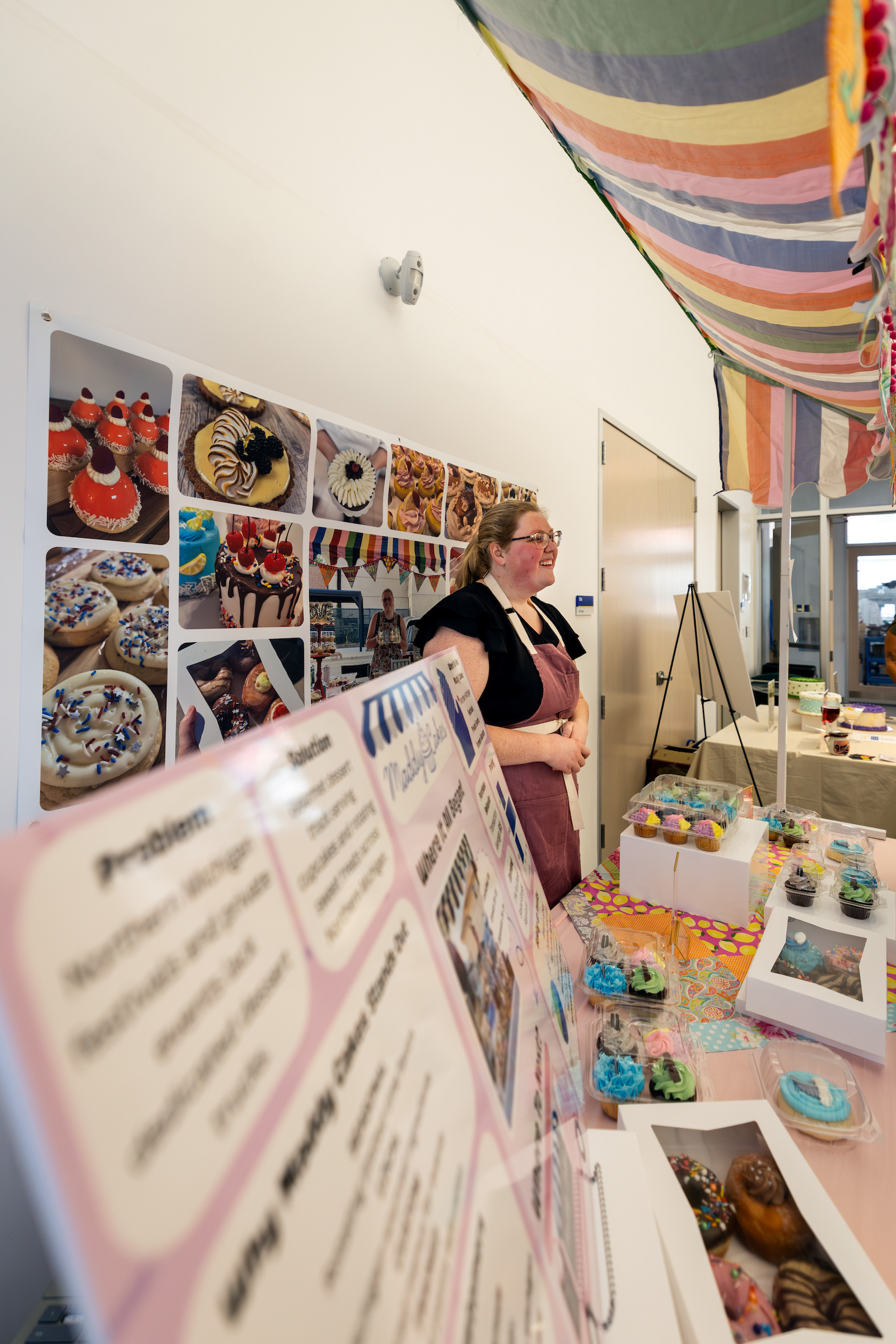
Pitch Food’s Next Big Idea
JWU’s Sharkfest is an annual pitch competition that puts students’ entrepreneurship skills to the test. The challenge “pushes you to take action rather than just think about ideas,” notes contestant Parker Legreid ’29.
Read about this year’s change makers.
Study Food & Beverage Entrepreneurship at JWU
Faculty Contacts
Rhode Island
Jennifer Broderick, Ed.D., CHE
Professor
401-598-2830
jennifer.broderick@jwu.edu
North Carolina
Fred Tiess, ME, WCMC, CCA
Master Instructor
980-598-1470
fred.tiess@jwu.edu