
Addiction Counseling M.S.
Degree: M.S.
Location(s): Rhode Island
Start Date: Fall & Spring
Cost: $774* per credit
Internship: 600 Hours Required
Credits: 60

Earn an Accredited Counseling M.S. in 18 Months
Help prevent substance abuse, counsel people with addictive disorders and provide other services to people suffering from addiction when you graduate with an Addiction Counseling master’s degree from JWU.
This 18-month, full-time program helps prepare master’s-level clinicians to become a licensed mental health counselor (LMHC) or Certified Advanced Alcohol and Drug Counselor (CAADC) and is accredited by the Council for Accreditation of Counseling & Related Educational Programs (CACREP). (A part-time option is also available. Part-time students follow a study plan of two courses per semester, completing the program in three years.)
With two cohort starts each year (fall or spring) and classes that meet in late afternoons and evenings, the program’s schedule has the flexibility to accommodate fieldwork placements during the day and on weekends.
Learn clinical skills by turning theoretical foundations into positive, ethical client interaction and intervention. The counseling training laboratory and clinical field experience sites provide students with hands-on training by licensed professionals.
Curriculum and Accreditation
The 60-credit program includes 12 core courses, four electives, a practicum and an internship. This fieldwork puts professional knowledge into practice, starting with a 100-hour practicum followed by a 600-hour internship under the supervision of clinical professionals.
Graduates are expected to demonstrate a solid understanding of methods to diagnose, assess, test and treat a wide range of issues in the context of addiction counseling, treatment and prevention programs, as well as a broader mental-health counseling context.
Credits Core Courses | ||
| CSLG5060 | Counseling Theories | 3 |
| CSLG5100 | Advanced Career Counseling | 3 |
| CSLG5150 | Counseling Across the Lifespan | 3 |
| CSLG5170 | Multicultural Counseling: Theories and Techniques | 3 |
| CSLG5250 | Professional Orientation and Ethical Practice (Practicum 1) | 3 |
| CSLG5300 | Individual Counseling Theories and Techniques I (Practicum 2) | 3 |
| CSLG5350 | Health and Wellness Counseling | 3 |
| CSLG5400 | Psychopathology and Treatment Planning | 3 |
| CSLG5450 | Testing and Assessment in Counseling | 3 |
| CSLG5500 | Advanced Group Counseling Theories and Techniques with Lab | 3 |
| CSLG5899 | Counseling Practicum | 3 |
| CSLG6100 | Advanced Co-Occurring Disorders and Addictions Counseling | 3 |
| CSLG6150 | Individual Counseling Theories and Techniques II (Practicum 3) | 3 |
| CSLG6205 | Advanced Co-Occurring Disorders and Addictions Counseling II | 3 |
| CSLG6888 | Counseling Internship I | 6 |
| CSLG6899 | Counseling Internship II | 6 |
| PSYC5200 | Advanced Neuroscience and Psychopharmacology | 3 |
| RSCH6100 | Research and Theories in Addiction Counseling | 3 |
| Total Credits | 60.0 | |
Johnson & Wales University’s Master of Science in Counseling programs in Clinical Mental Health Counseling and Addiction Counseling are accredited by the Council for Accreditation of Counseling and Related Educational Programs (CACREP), 500 Montgomery Street, Suite 350, Alexandria, VA 22314, 703-535-5990.
Program Data
JWU’s M.S. in Clinical Mental Health and Addiction Counseling programs are housed in the College of Arts & Sciences’ Counselor Education department.
Admissions Criteria
JWU Catalog: Graduate Admissions Requirements
Annual Report
2024-25 Annual Report: M.S. in Counseling (PDF)
Vital Statistics
Admissions & Tuition
The average cost per credit is $774*
*The estimated cost per credit rate is effective for the 2026–27 academic year and is subject to change annually. The Cost of Attendance (COA) is the estimated total amount it will cost a student to attend JWU each year. For more information, contact Student Financial Services.
Learn about the admissions process and tuition for JWU’s graduate programs.
Gain Advanced RI Drug Counselor Certification
This master’s degree provides you the opportunity to attain required coursework relevant to addiction treatment to become an RI Certified Advanced Alcohol and Drug Counselor (CAADC), including the following, which meet the hourly requirements for certification:
- 6 hours in substance use disorders ethics
- 6 hours in confidentiality
- 6 hours in communicable diseases
- 6 hours in medication assisted treatment
Also required: one year of work experience or 2,000 hours working part-time as a drug and alcohol counselor and 100 supervised hours. Clinical internships completed as part of a college degree program may be eligible for use toward the required work experience.
CACREP Accredited
JWU’s programs in Addiction Counseling and Clinical Mental Health Counseling have earned Council for Accreditation of Counseling and Related Educational Programs (CACREP) accreditation, the highest standard in the counseling profession.
“Achieving accreditation for our program is a testament to the dedication, hard work and excellence that our faculty, staff and students demonstrate every day,” said College of Arts & Sciences Dean Michael Fein.
A degree from a CACREP-accredited program is widely recognized by licensing boards, community agencies, practitioners and national professional associations as a hallmark of excellence, making it a valuable credential for aspiring counselors.”
Career Options
Students are responsible for verifying that they can meet the employment requirements of potential employers.
Individual states may require specific licensing or professional certification in addition to earning a degree in order to practice in the field. Review Licensure & Professional Certification Disclosures for more information.
- Behavioral health counselor
- Specialist co-occurring disorders
- Crisis intervention specialist
- Substance abuse counselor
- Private practice clinician
- Mental health counselor
- Trauma-informed addiction therapist
- Harm reduction program manager
- Community prevention specialist
How Counseling Can Diminish Sports Performance Anxiety
Associate Professors Jessica Paulhus and Yesim Giresunlu, core faculty in JWU Providence’s Counselor Education department, are using their backgrounds in counseling, athletics and martial arts to support student-athletes’ mental health and diminish performance anxiety. It’s part of a collaborative effort with JWU’s Athletics department and other individuals across the university.
During the 2023-24 academic year, the professors co-facilitated two training sessions for student-athletes where they outlined their findings and offered practical strategies for improving game performance.
Therapy That Leverages Nature’s Healing Properties
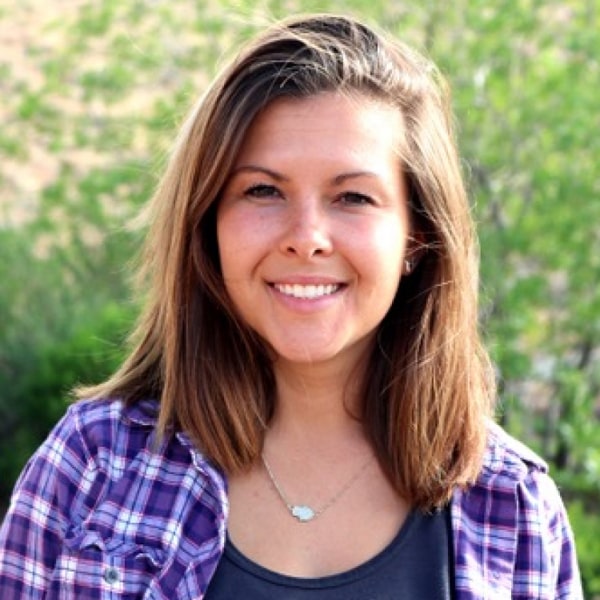
A member of JWU Providence’s Clinical Health Counseling program’s first graduating cohort, Danielle Gagnon ’16 M.S. uses nature as a synergistic component of her counseling strategy. Throughout her career, she has practiced experiential therapeutic modalities and integrating the healing nature of the outdoors, including wilderness therapy.
Gagnon currently practices in Utah, where she became a licensed clinical mental health counselor. She has primarily worked with adolescents who have struggled with anxiety, depression, trauma, substance use and emotional regulation.
Gagnon has trained and is certified in many clinical modalities, including Brain Spotting, Trauma-Focused CBT and SMART Recovery; she is also Safe Zone-certified for working with LGBTQ+ populations. She believes these forms of therapy create a space to allow students to access and release negative memories, allowing the brain and body to heal.
Faculty Contact
Cheryl Almeida, Ph.D.
Counselor Education Department Chair
College of Arts & Sciences
401-598-2247
cheryl.almeida@jwu.edu