Our Environmental Science program is built for those who want more than a degree. You’ll be prepared to address today’s most pressing environmental issues and make a difference for our communities and the planet.
With Narragansett Bay at your doorstep and Rhode Island’s diverse habitats as your classroom, you’ll gain unmatched field experience. You’ll also explore geology, ecology, biology, chemistry and social sciences to understand the complex interactions between humans and the natural environment. Customize your studies by choosing electives from across three different colleges — Arts & Sciences, Hospitality & Business and Food Innovation & Technology. This flexibility allows you to explore a variety of career paths and see how different industries impact the environment.
The world needs leaders who can tackle climate change, protect biodiversity and advocate for environmental justice. Graduates are prepared for careers in environmental science, policy, conservation, sustainability consulting and renewable energy, or for advanced study in graduate and professional programs.
Why Study Environmental Science at JWU?
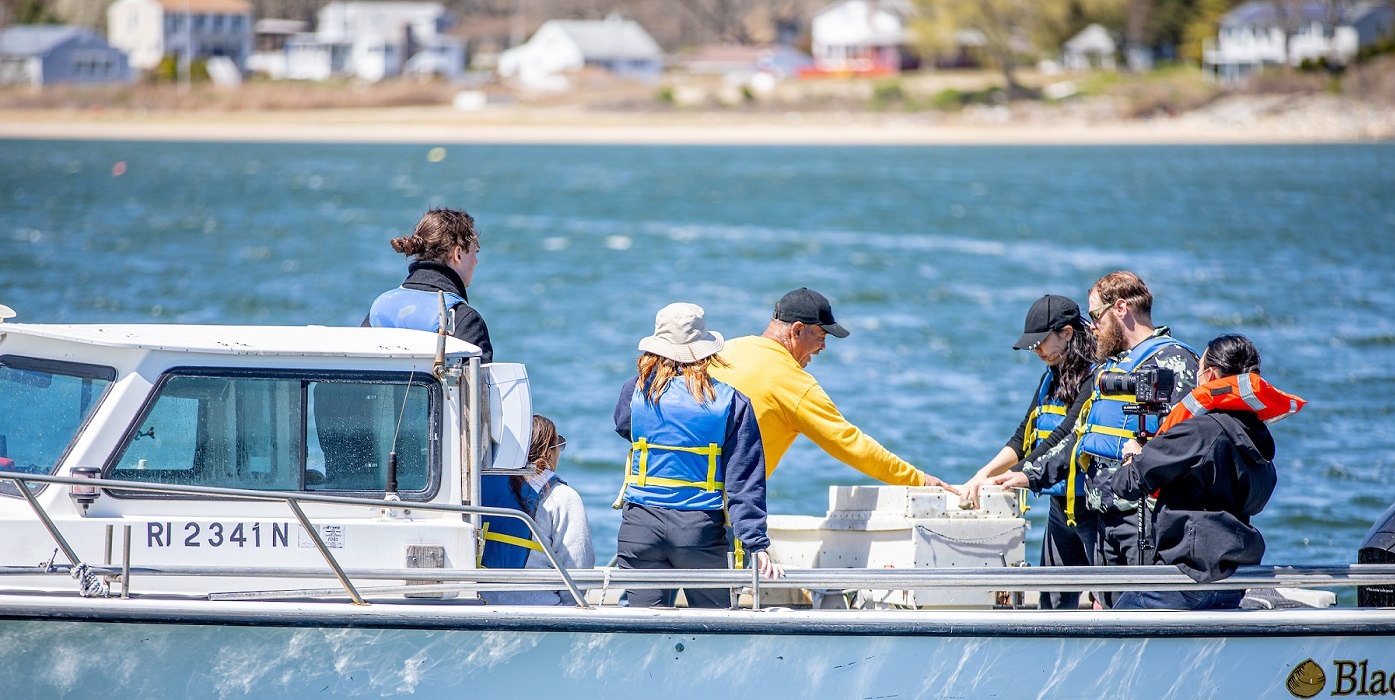
In this program, you won’t just study the environment — you’ll experience it. Collect water samples from coastal habitats, determine origins of Rhode Island rocks, create environmental impact assessments, identify cell structures and calculate eco footprints. Through internships, research projects and fieldwork, you’ll gain practical skills and problem-solving experience which will prepare you for careers in the environmental field.
You can expect to:
Apply critical thinking skills and foundational knowledge to propose solutions to environmental problems such as climate change, environmental justice, pollution and more.
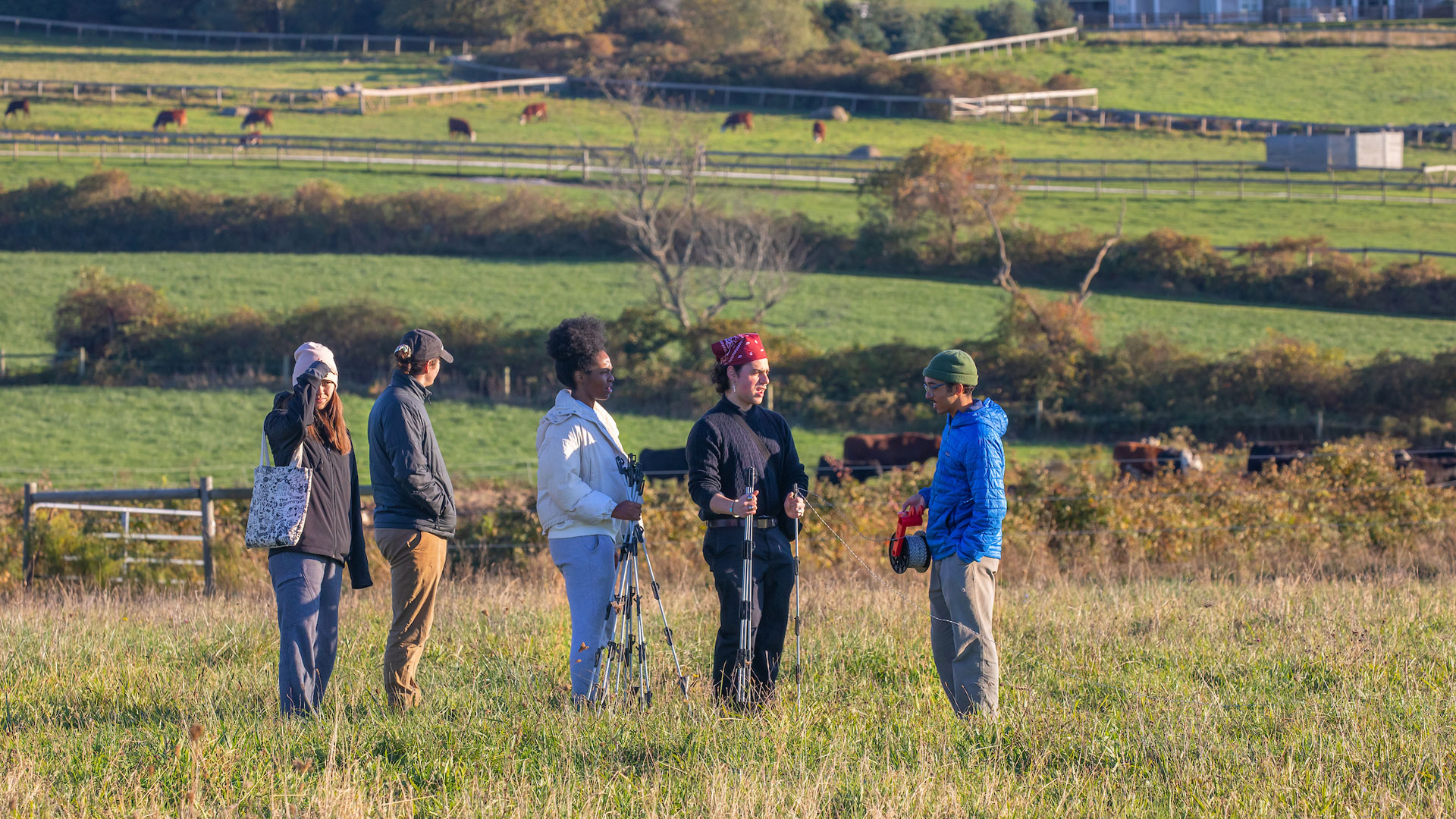
Go out into the field to collect, input, process and analyze data from a variety of ecosystems.
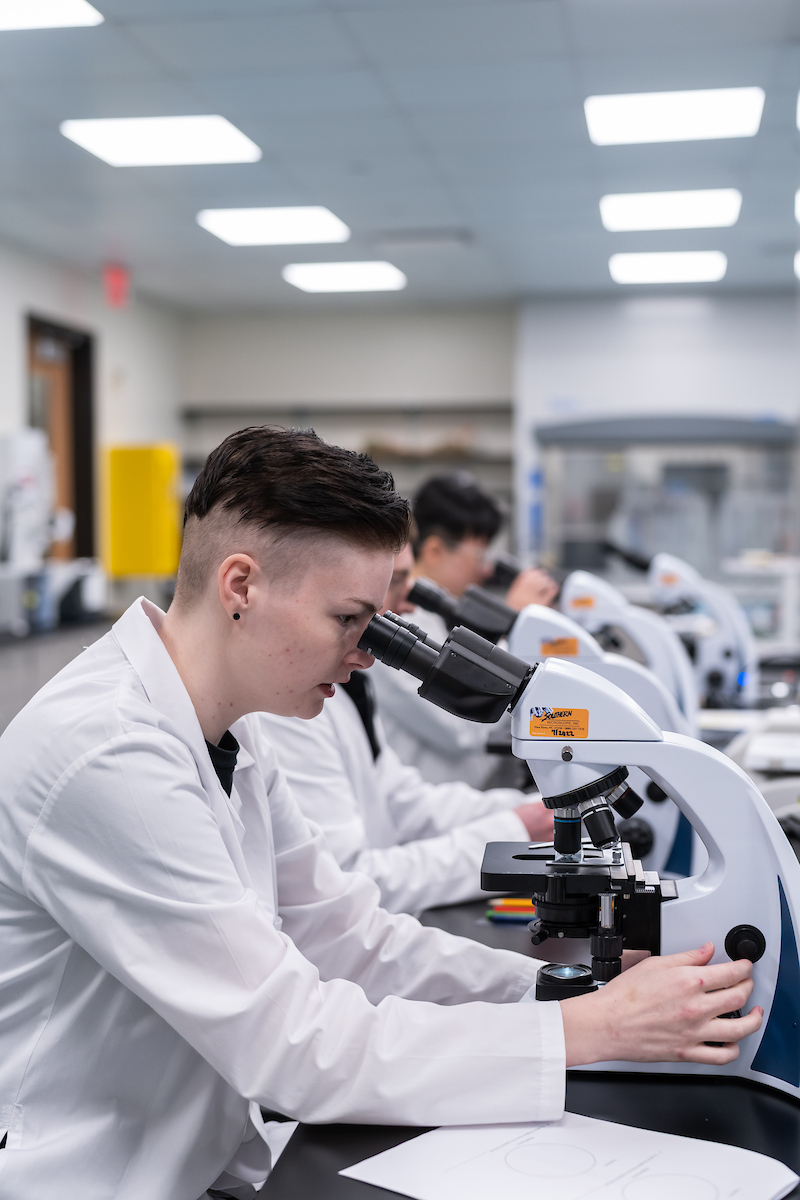
Conduct experiments in JWU’s state-of-the-art science labs, such as measuring the effects of toxicants on aquatic organisms or analyzing drinking water samples.
Select electives across colleges to explore topics like sustainable food systems, business policy, sustainable tourism and more.
Take frequent field trips to explore a variety of ecosystems around Rhode Island.
Learn from experienced faculty who will guide you in developing solutions for real-world environmental issues.
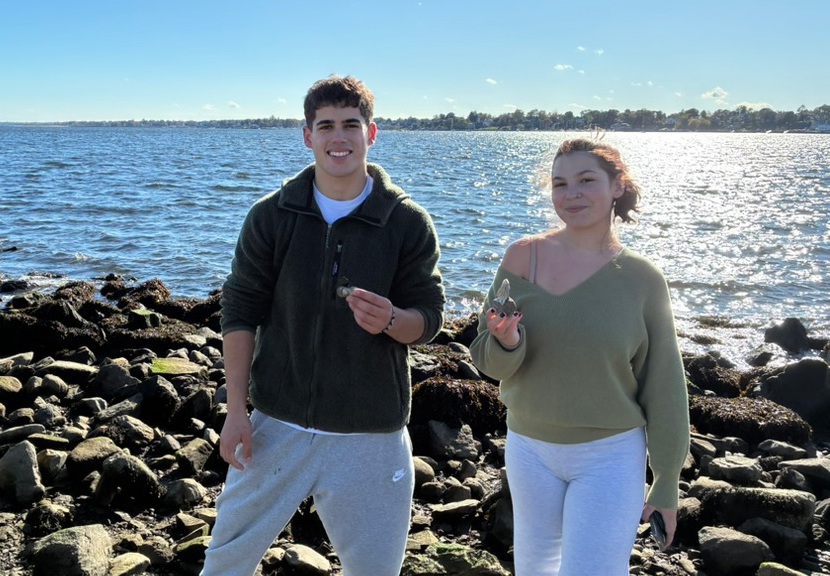
After our field trip to Narragansett Bay, I gained a new-found appreciation for the bay and the value of the ecosystem. The Save The Bay location provides a great look at how Narragansett Bay is affected by the Providence industrial area. It made me look at littering in a new light, and I have realized it is up to the average civilian like me to help make the change.”
Braydon Campos ’29
Career Possibilities
Conservation scientist
Environmental field technician
State/national park ranger
Environmental policy analyst
Renewable energy project manager
Some professions may require additional study, background checks, certifications, licenses, exams and/or experience as required qualifications for employment. Students are responsible for verifying that they can meet the employment requirements of potential employers.
Science Lab
In the John J. Bowen Center for Science & Innovation, you’ll learn and experiment in state-of-the-art labs dedicated to biology, plant cultivation and chemistry.