Transforming My JWU Education into Nonprofit Impact
An important part of any college experience is gaining work experience that prepares you for the real world. Whether they’re required for your degree or completed for extra credit, internships allow students to gain hands-on experience for the job they’re trying to go into.
This past summer, I had the pleasure of completing two internships in my hometown of Chicago, Illinois. While one was remote and the other in-person, I was able to have a real taste of the work I will be doing post-grad and understand the importance of learning by doing.
Driving Change Through Nonprofit Work
As I’m currently completing my bachelor’s degree in nonprofit management, I interned with two nonprofits that directly apply to my degree. The first nonprofit was the Foundation for Hearing and Speech Resources (FHSR), which I was fully remote for, and the second was the Common Pantry, which was in person.
Based in Illinois, FHSR is a private, nonprofit, grassroots organization. They’re dedicated to “improving the quality of life for all children affected by hearing and communication disorders through support, education and advocacy.”
FHSR focuses on providing the essential programs needed for children who are deaf or hard of hearing (DHH) to ensure that these children have the same opportunities as their hearing peers. This includes medical and educational care and support services.
The second nonprofit I interned at was the Common Pantry. Their focus: “meeting the emergency needs of our local community by providing healthy food, kinship and support to help overcome poverty-related challenges.”
Located on the North Side of Chicago, Common Pantry aims to reduce hunger and address the main cause of poverty through the services they provide. This includes social services, nutritional understanding and compassion for the people involved.
Making a Difference: My Role at the Nonprofits
While interning at FHSR, my role was learning how to successfully write to obtain grants, also known as grant writing. Grant writing is how a nonprofit secures funding for their programs, expenses and anything else they need to operate.
I did a lot of prospecting, which is searching and identifying potential funders that you can apply to whose goals match your organization’s mission and funding needs. Then, I’d move onto understanding the style of writing that needed to be used, including how to show the funders that the organization was a great match for their funding.
FHSR has many programs in place for deaf and hard of hearing (DHH) children, including programs focused on education and literacy. These programs provide resources for parents and professionals on educational challenges and on how to read to DHH children, as well as offering book scholarships.
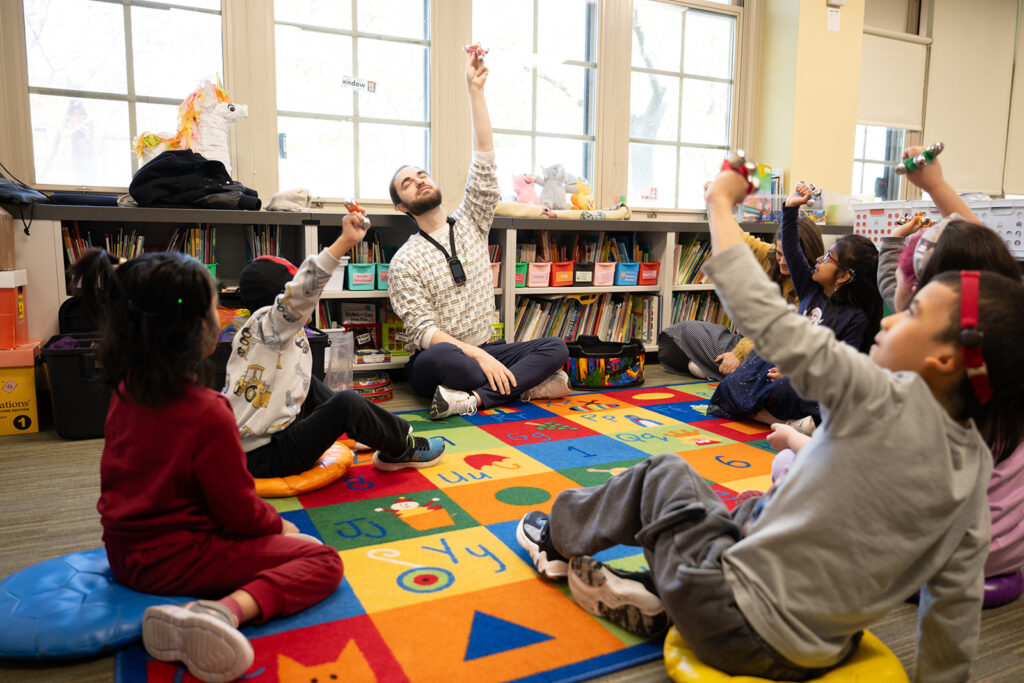
This summer, I worked on writing grants for these programs, with a particular focus on finding funding for the literacy program. Many people don’t realize that DHH children learn to read in a very different way than hearing children. Being able to apply for grants that could potentially fund this program and help ensure that students develop the motor skills involved in reading was incredibly rewarding for me.
I interned with FHSR’s director of development & communications, and this allowed me to gain a real sense of what her job in grant writing is, the day-to-day tasks she does and how to become a successful grant writer.
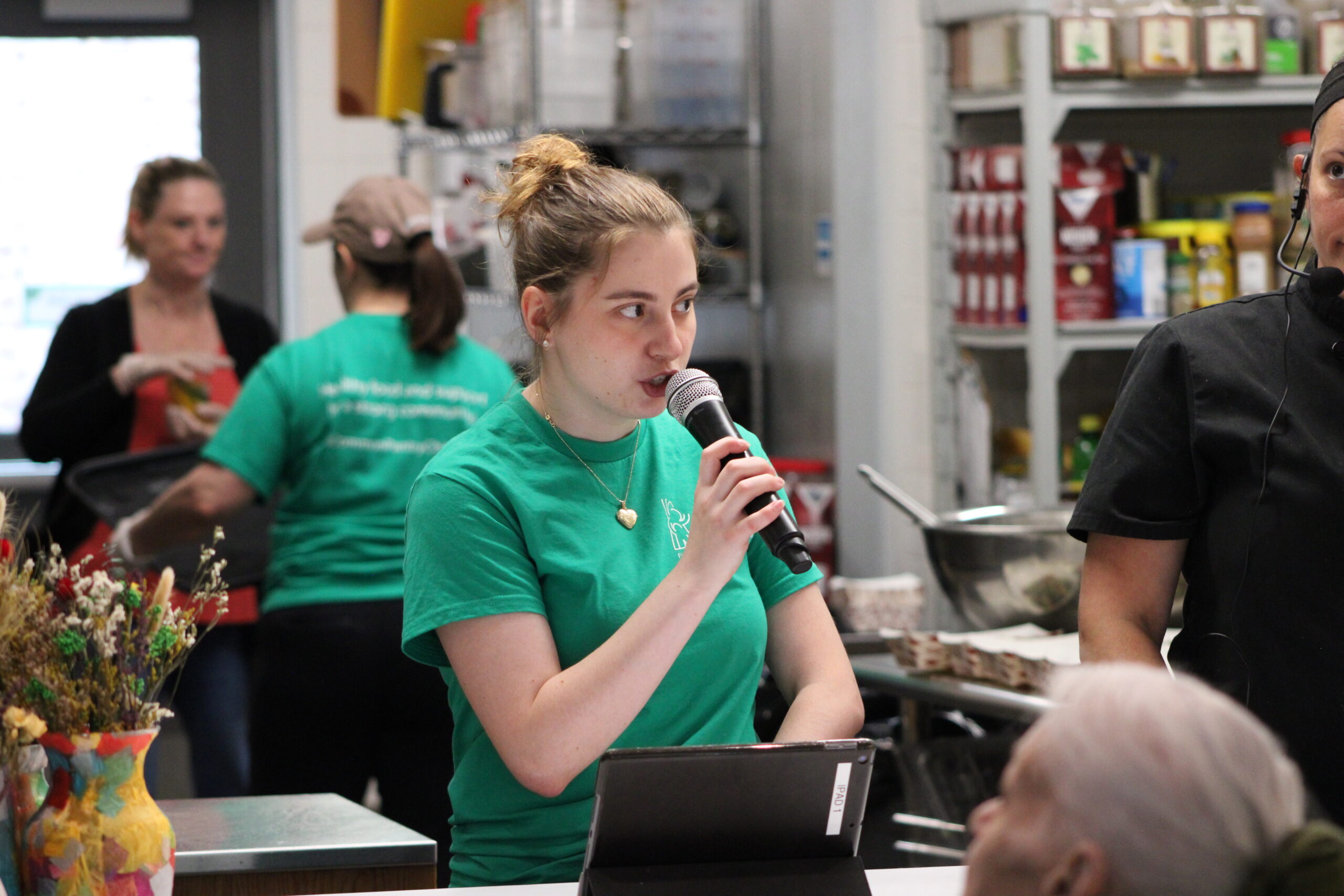
At the Common Pantry, I interned with the food programs manager, who is also a dietician, where I participated in several different hands-on learning experiences. I helped safely prepare different foods for up to 300 people per week, including creating menus designed around the nutritional components of a balanced meal.
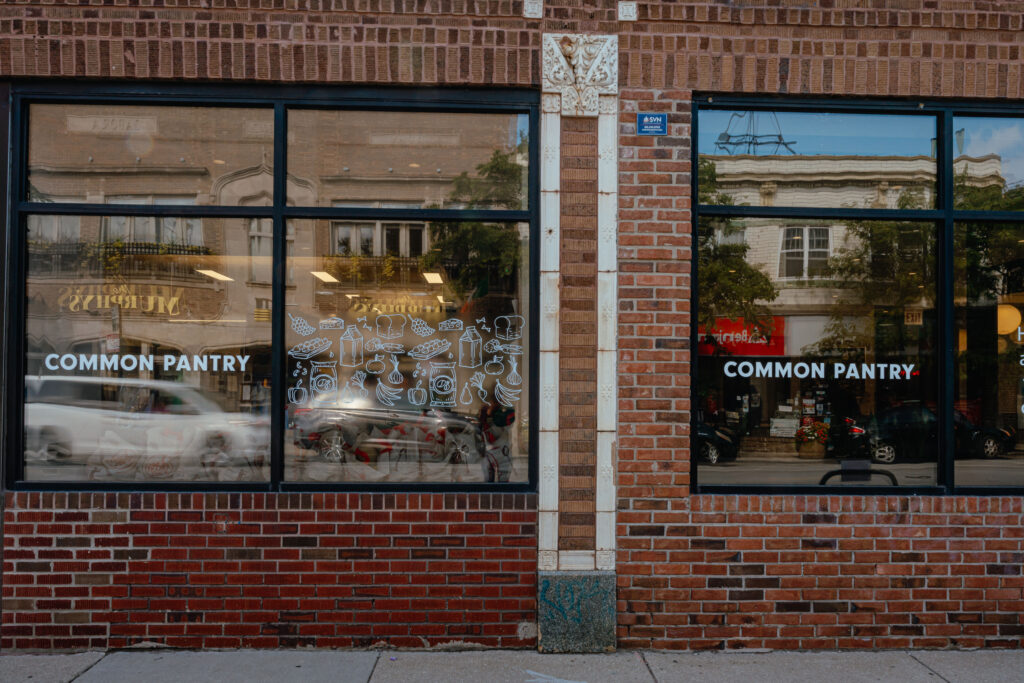
I helped run and prepare the Common Pantry’s monthly cooking class, as well as connected with clients and used the database that stores important information for the pantry.
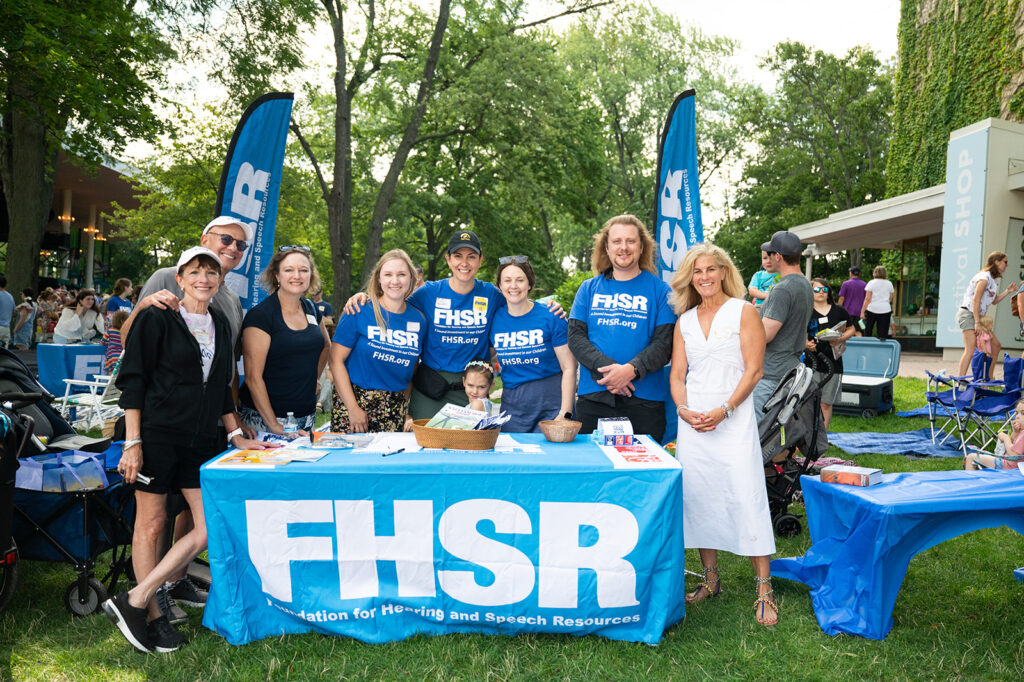
For both nonprofits, I attended and helped set up fundraising events, which were hosted to raise money for the organizations and to connect with the community. This was especially exciting for FHSR, as I was able to meet the families I was helping in-person, as my internship was remote with them this summer.
How JWU Prepared Me for the Field
A big part of my internship with the Common Pantry was creating bigger batches of food while maintaining food safety protocols. Since we were serving up to 60 people a few days a week who were also in a high-risk population, it was crucial that I handled the meals we were making with the upmost care.
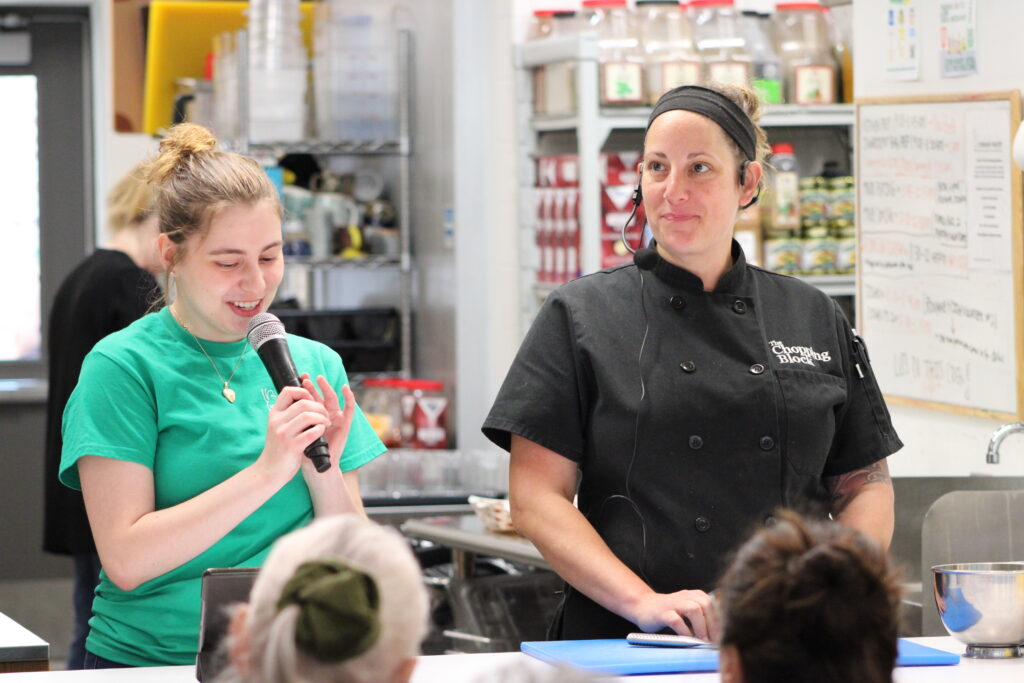
By obtaining my associate degree in Baking & Pastry at Johnson & Wales University and before entering my JWU bachelor’s program, I learned the importance of food safety and how to scale ingredients in my labs. I also had an environment where I could learn how different ingredients worked together and where, if I made mistakes, I could learn what to do differently next time. This prior hands-on experience benefitted my job at the food pantry, as I was able to understand things on a quicker level including how to create meals at a larger scale at my internship.
The writing classes I’ve taken and my experience serving as president of JWU’s student newspaper, The Campus Herald, helped me understand grant writing on a better level, as the collaboration and editing involved in the newspaper was similar to grant writing. I was able to pick up the writing style quicker and understand what was being asked due to the multitude of writing classes I took at JWU.
The peer and professor feedback, different writing styles and critiques from my writing classes prepared me to understand the grant writing I accomplished at FHSR.
Helping the Public, One Meal at a Time
After graduating from JWU, I hope to work as a grant writer at a nonprofit that focuses on food insecurity. Playing a part in raising the funds needed to have a program run that is going to positively impact a person’s life is incredibly fulfilling for me, especially when feeling that impact this summer at FHSR. Along with grant writing, I would also enjoy creating meals that are fed to the community within a nonprofit focusing on food insecurity.
Combatting food insecurity is a public health issue that I’m passionate about. Not only do I love creating new dishes and experimenting in the kitchen, but I also love helping people. Being able to create meals that help feed people who are food insecure has helped me feel like I’m making a difference and an impact in the world.
Working at a nonprofit that serves its community and betters society, whether through grant writing or creating meals, is my dream job. I plan on a career where I make a positive impact in my society.
Author Ava Zajczenko ’27, a Nonprofit Management major with a focus on food insecurity, shares how two summer internships tied into her degree.