College of Health & Wellness
The College of Health & Wellness prepares students for careers in clinical practice, public health and health care leadership. Faculty here hold the credentials their fields require — doctorates in occupational and physical therapy, physician assistant certification, registered dietitian nutritionist and nursing licensure, and Ph.D.s in public health and the sciences — and most practiced professionally before they taught. Students train alongside them in simulation labs, clinical placements and published research, entering fields where what you can prove matters as much as what you know.
Faculty Credentialed to Practice
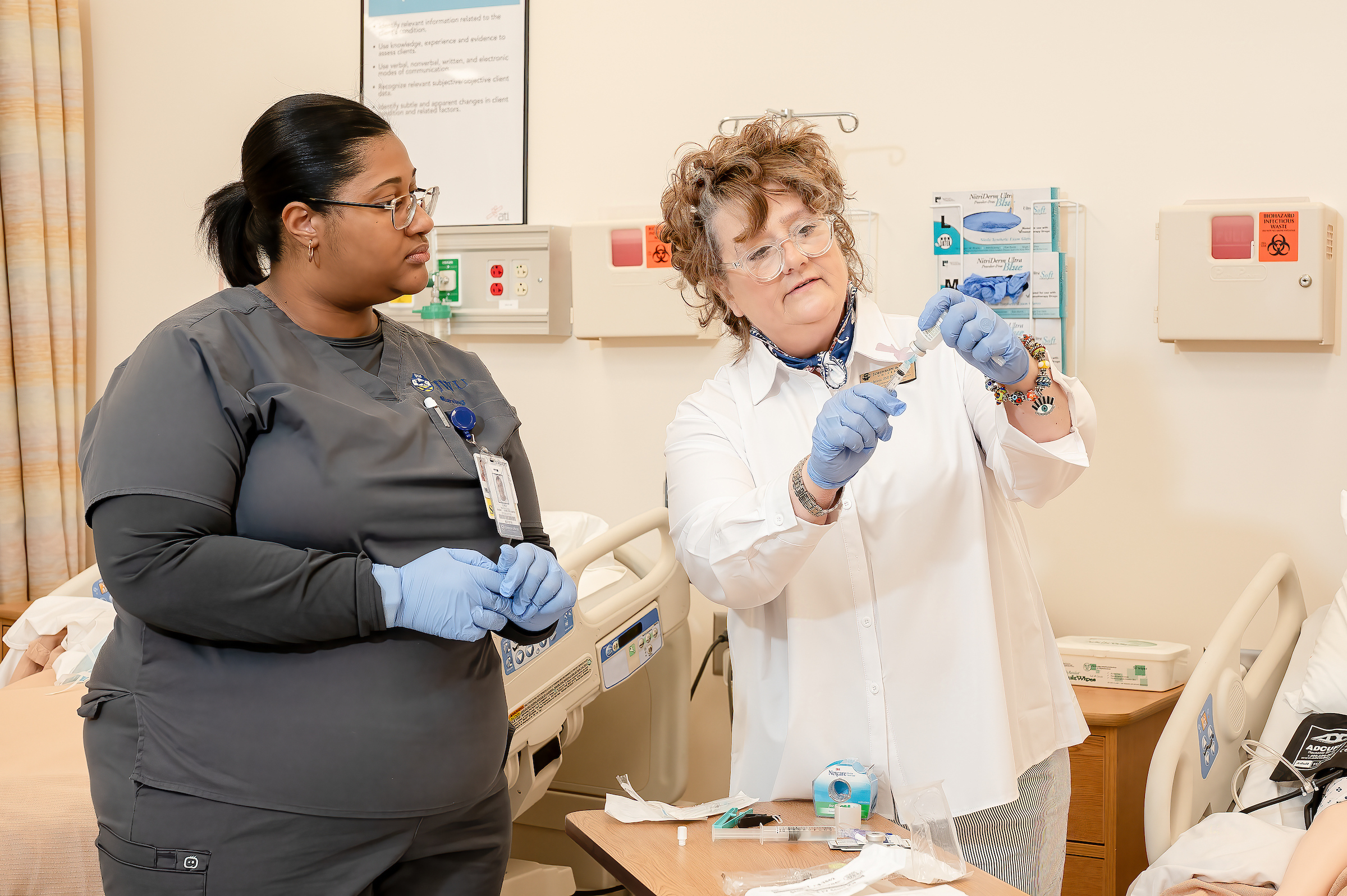
Our faculty have deep professional experience in a range of positions such as dietitian nutritionists, physical and occupational therapists, nurse practitioners, biologists, anatomists, biomedical engineers and clinicians. Many still publish and practice within their fields, often presenting at professional conferences and sharing their knowledge broadly.
Many of our faculty hold board certifications, industry credentials and terminal degrees in their fields. Their educational credentials complement their professional experiences, which they bring to their classroom teaching.
Health Programs Grounded in Nutrition
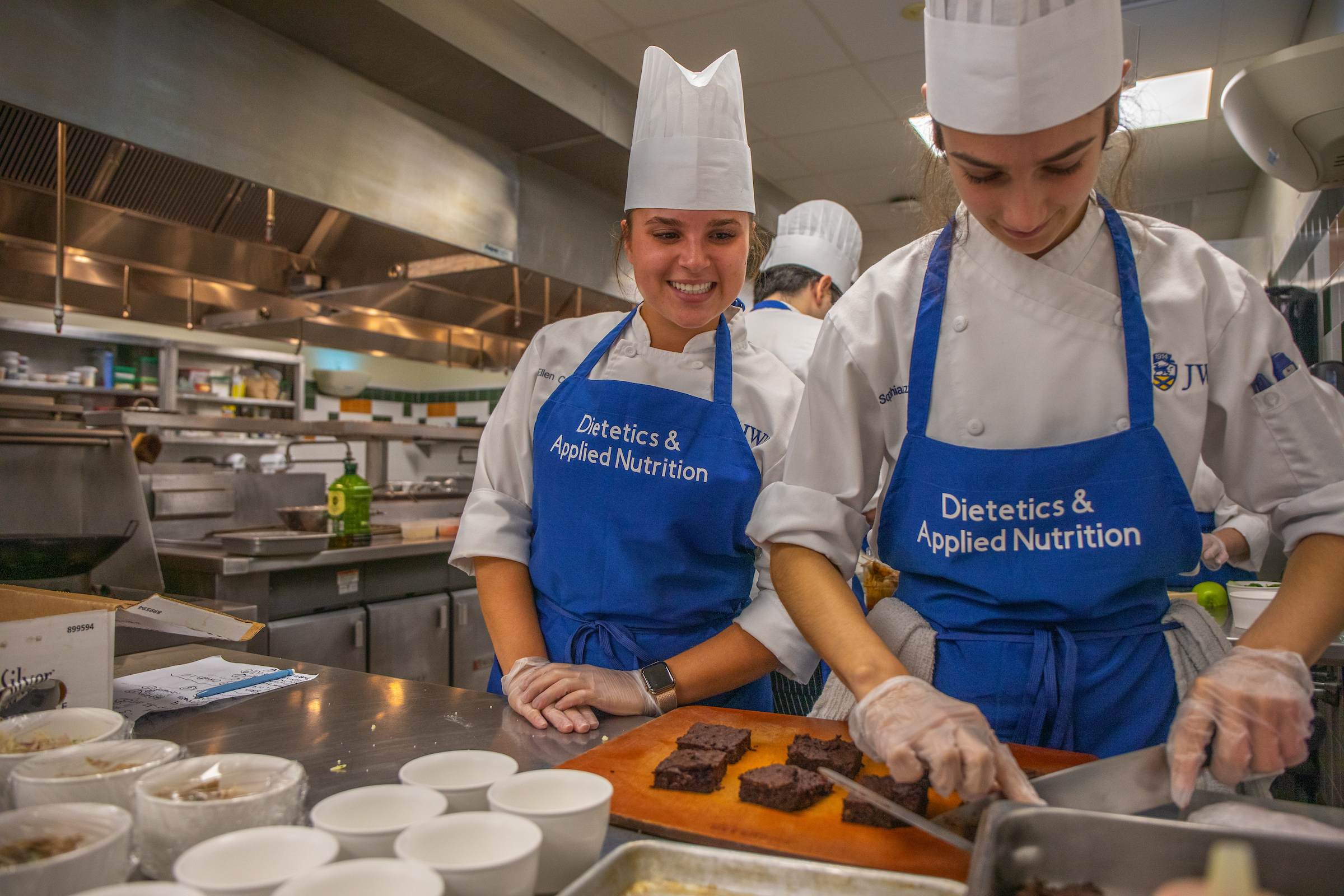
Anatomy, physiology, pathology, research methods. Every program here starts where any serious health education starts, and the science doesn’t get lighter as you go.
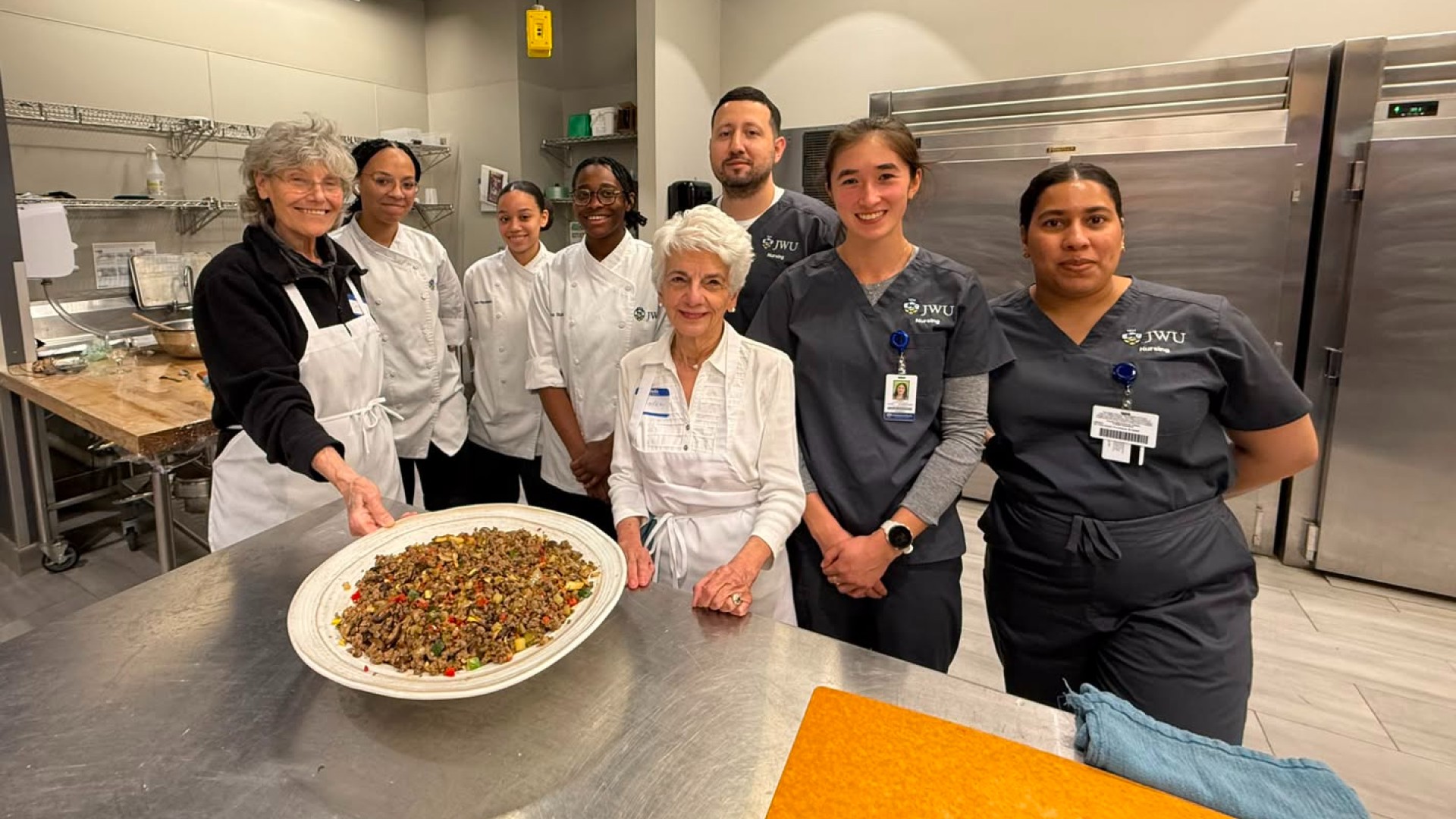
What’s different is what comes next. Dietetics students don’t just prescribe a diet — they cook it, plate it and find out whether a patient would eat it twice. Physician assistant, occupational therapy and physical therapy students learn the same lesson from a different angle: treatment only works if it fits someone’s actual life. Internships with hospitals and health organizations put that to the test on real patients, in real units.
Finish Two Degrees in Less Time
If you already know the career you want and it requires a graduate degree, a combined degree program is the direct route. These are structured plans of study that carry you from bachelor’s to master’s or doctorate on a continuous track, saving up to a full year of time and tuition.
Many of JWU’s combined degrees lead into this college’s graduate programs — health science into an occupational therapy doctorate, psychology into clinical mental health counseling, public health into physician assistant studies, biology into public health.
Rooms Built for the Real Thing
Healthcare doesn’t happen in classrooms, so most of your practice won’t either. JWU’s labs are built as copies of the places you’ll work: an intensive care unit, a labor and delivery room, a furnished apartment where an occupational therapy client actually lives.
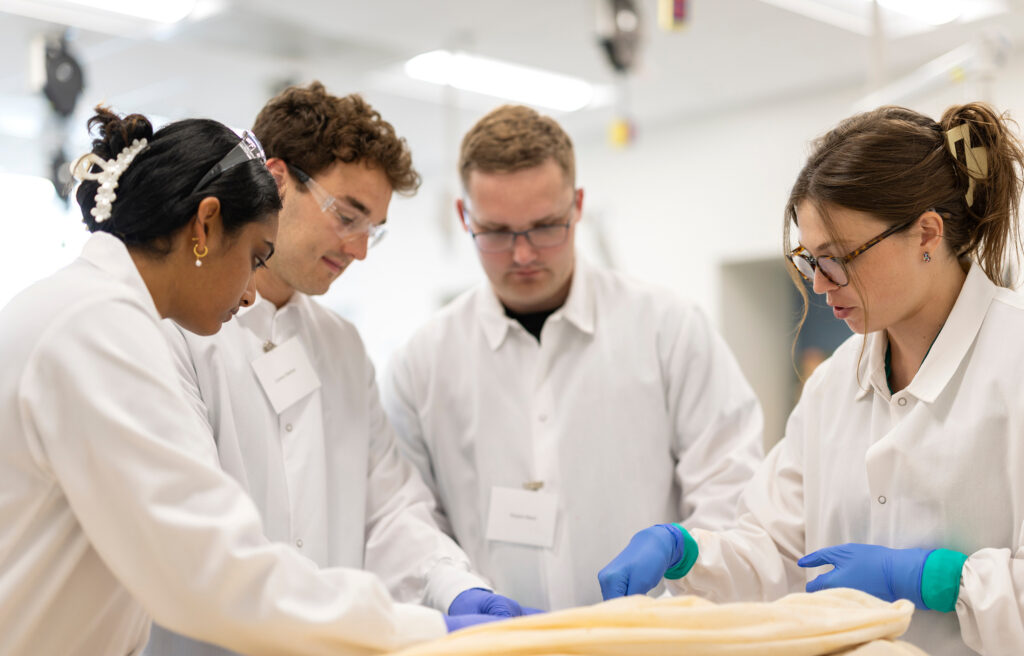
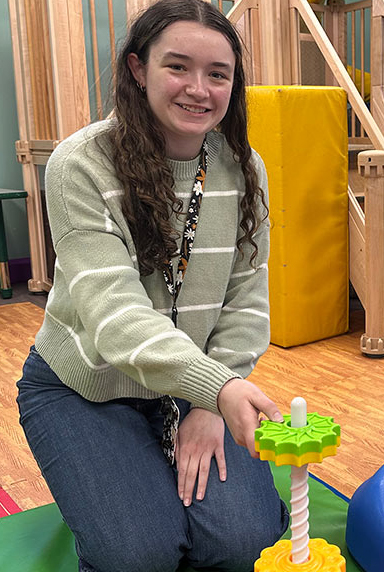
In Providence, physician assistant and physical therapy students study human cadavers, and occupational therapy students work in a pediatric room with suspended swings and a climbing wall. In Charlotte, nursing students move from a skills lab into a simulation center with adult, infant, child and obstetric patients, then watch their own work back in a debriefing room. By the time a real patient is in front of you, the room won’t be new.
Center for Physician Assistant Studies at JWU Providence (Top)
Exercise & Sports Science Labs at JWU Providence (Middle)
Science Labs at JWU Charlotte (Bottom)
Students Get Published
At most large research universities, undergraduates don’t get near published work. Here they co-author it.
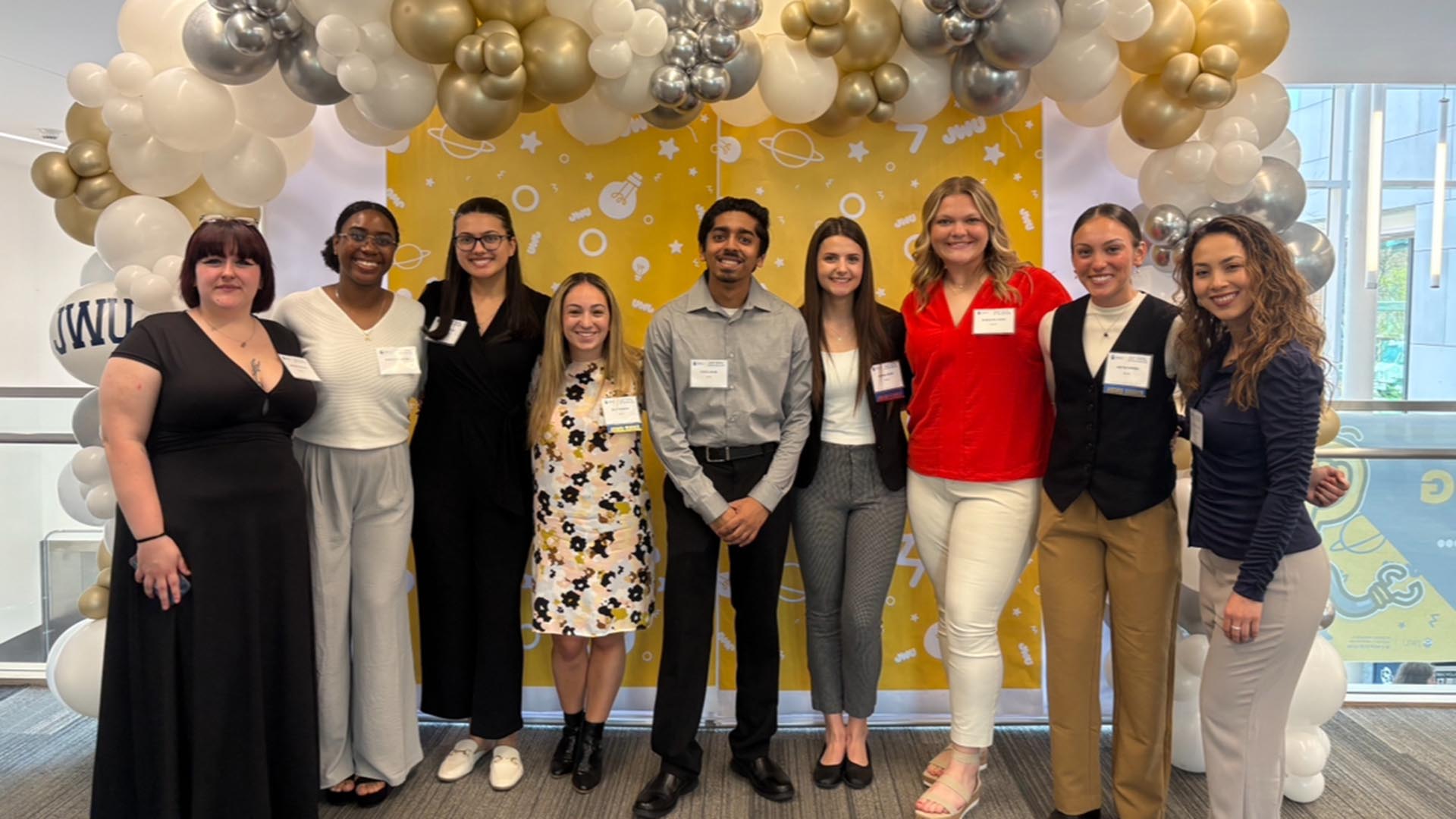
Ten JWU students saw their research printed in the Rhode Island Medical Journal — a special section on young adult mental health built from six original studies by students and faculty. Health science, biology, public health, PA and occupational therapy students also present their work at the Student Research, Design & Innovation Symposium and at national conferences.
Step Inside the Lab
The Exercise & Sports Science Lab is where you’d measure how a body performs — capacity, strength, body composition, metabolic rate.
The physical therapy labs are where Doctor of Physical Therapy students practice the treatment side, on the same tables and equipment they’ll use with patients.
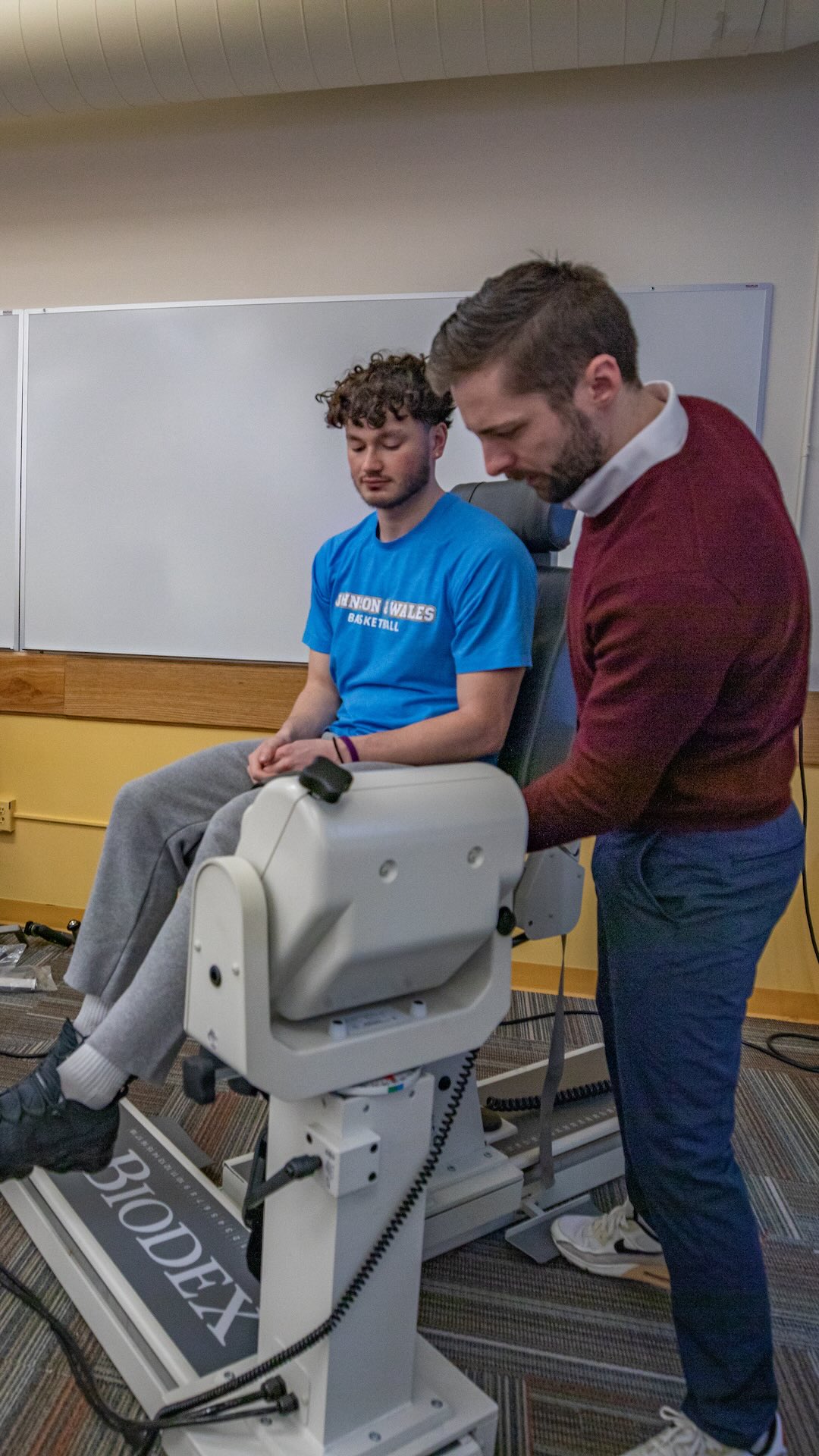
Measuring strength, capacity and body composition — one machine at a time.
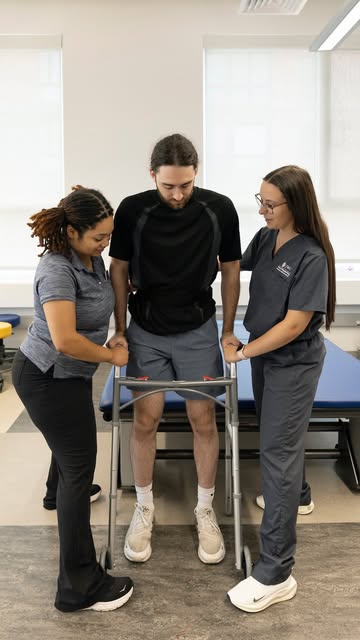
Inside the Physical Therapy labs, where future clinicians practice treatment.
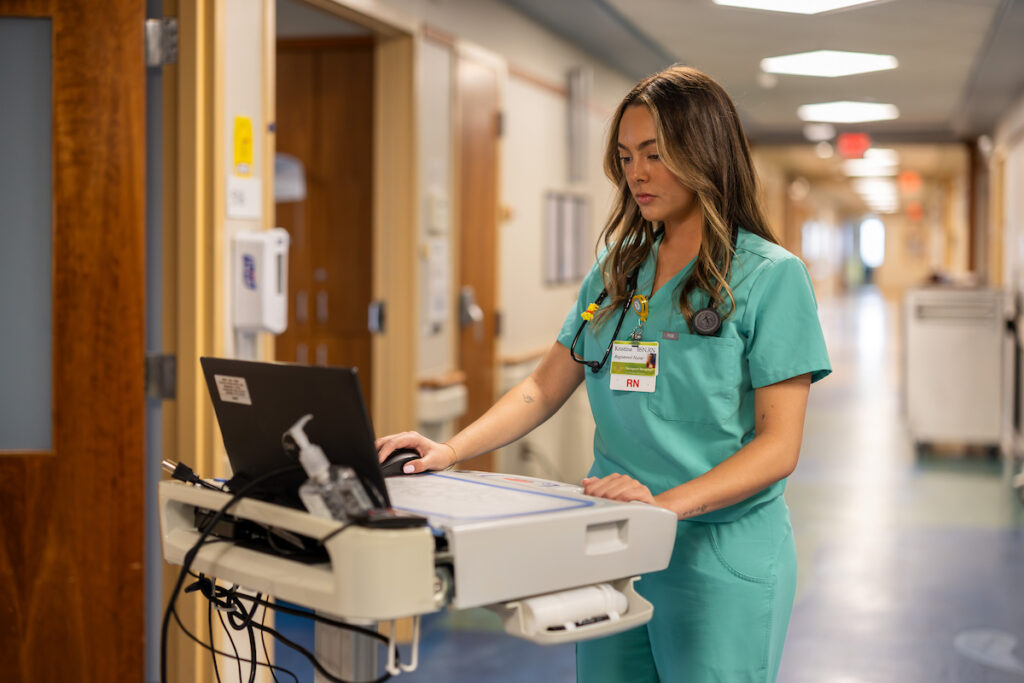
How a Biology Grad Became a Nurse in 16 Months
Kristina Johnson ’24 was a secretary at Newport Hospital when she decided she wanted to be a nurse. She already had a biology degree, so she enrolled in JWU’s accelerated nursing program and finished in 16 months. She works the night shift at Newport Hospital now, on the adult cardiac and stroke floor, and was promoted to charge nurse within months of starting.
A Path to Medical, Dental and Pharmacy School
If you are interested in pursuing graduate studies in osteopathy, pharmacy, podiatry or dentistry, JWU’s affiliation agreement with Lake Erie College of Osteopathic Medicine creates an enrollment pathway into LECOM’s Early Acceptance Program.