7 Questions with American Occupational Therapy Association Fellow Colleen Whiting
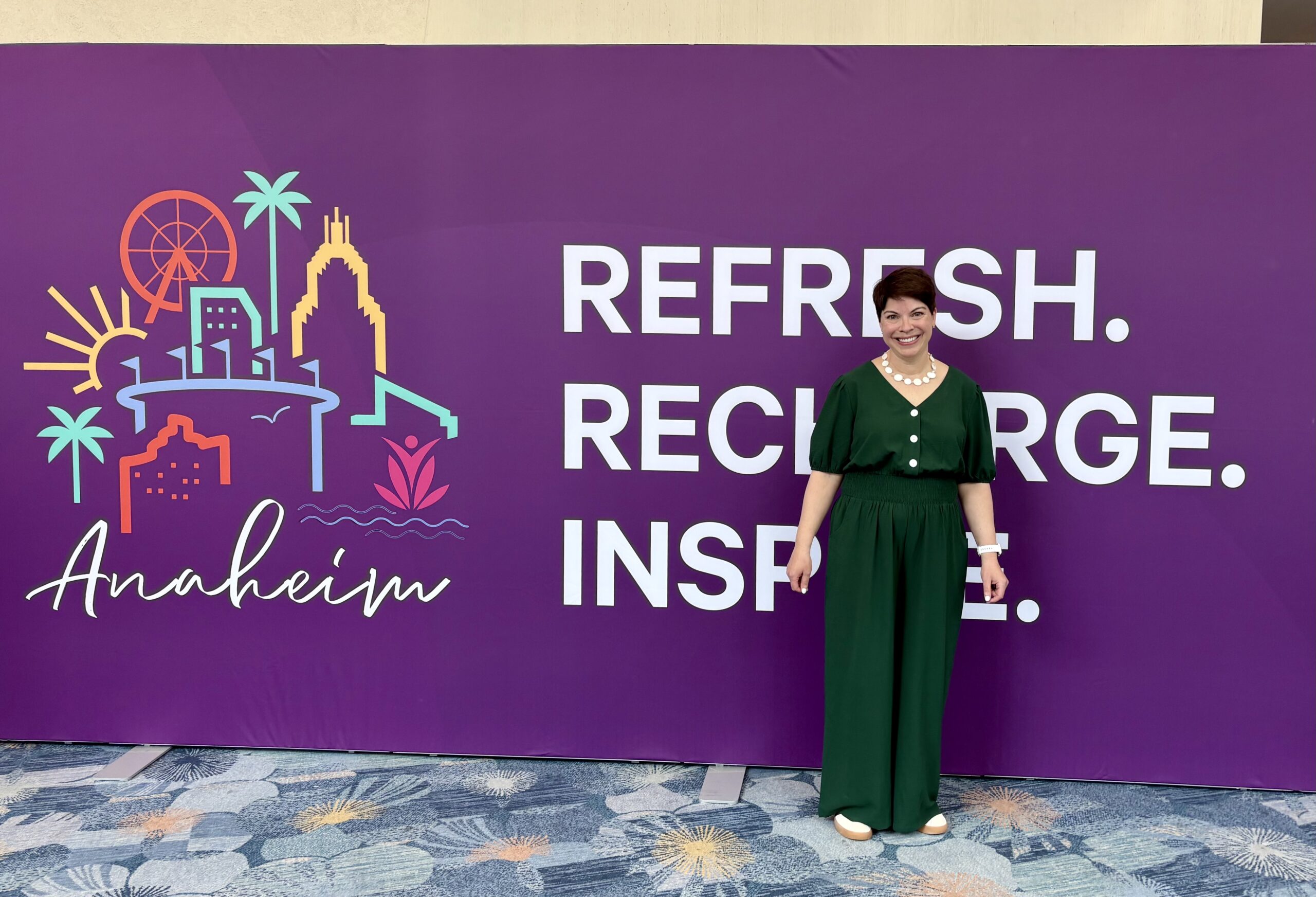
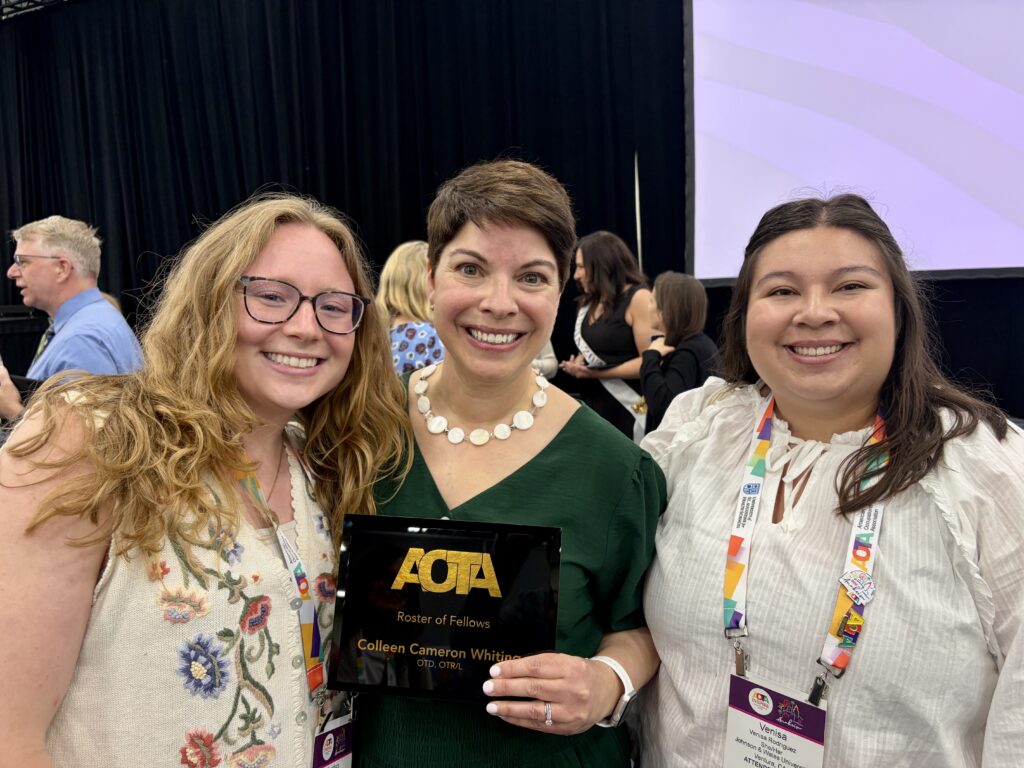
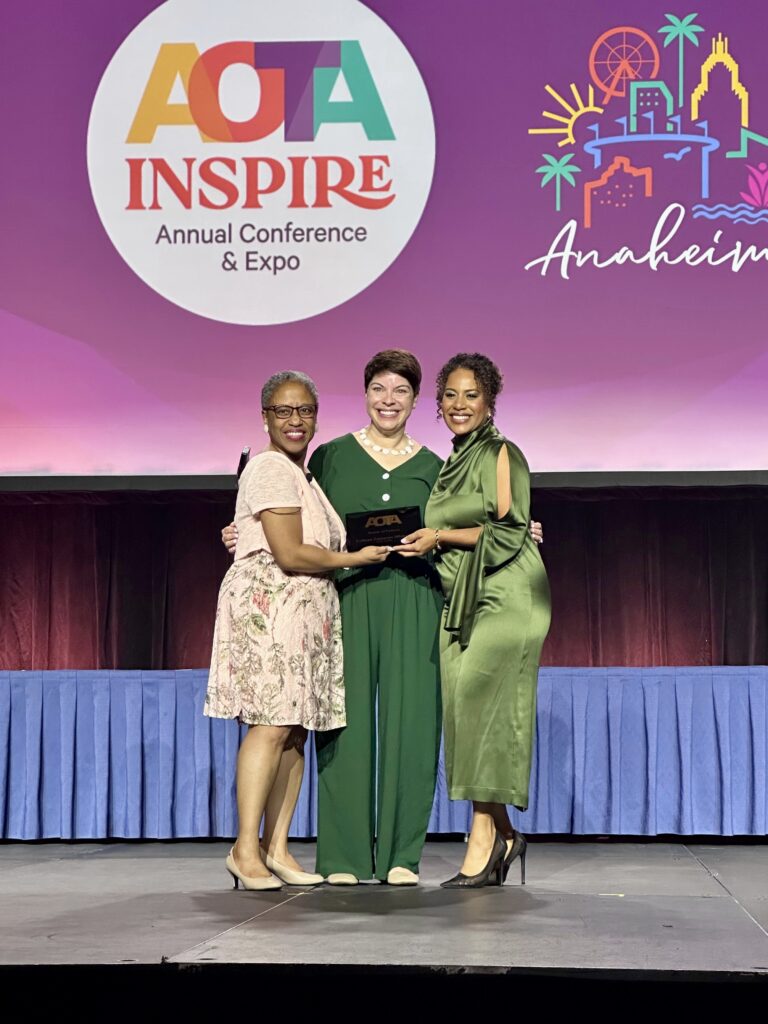
This year, Johnson & Wales University’s Occupational Therapy Doctorate (OTD) program had a new reason to celebrate: Associate Professor Colleen Cameron Whiting, OTD, OTR/L, FAOTA, was named to the prestigious American Occupational Therapy Association (AOTA) Roster of Fellows — an elite group representing only about 1% of professionals in the field, including JWU OTD Program Director Nancy Dooley, Ph.D., OTR/L.
“The AOTA Roster of Fellows honors occupational therapists who, through their leadership, expertise, advocacy and sustained contributions, have made a meaningful and measurable impact on the profession, its members, and the consumers of occupational therapy services,” explained College of Health & Wellness Dean Maura Daly Iversen, DPT, SD, MPH. “This distinction highlights her dedication to advancing occupational therapy education and practice, and her ongoing commitment to improving outcomes for children and communities through innovative, evidence-based approaches.”
Whiting answered seven questions about her role in the occupational therapy field:
1. In April, you were recognized at AOTA’s conference in Anaheim, California. What was it like to be named to such a prestigious roster of fellows?
It was such an honor. I’ve spent most of my career as a school-based occupational therapist, and practitioners in schools are not always as visible in our profession as those in academia or research.
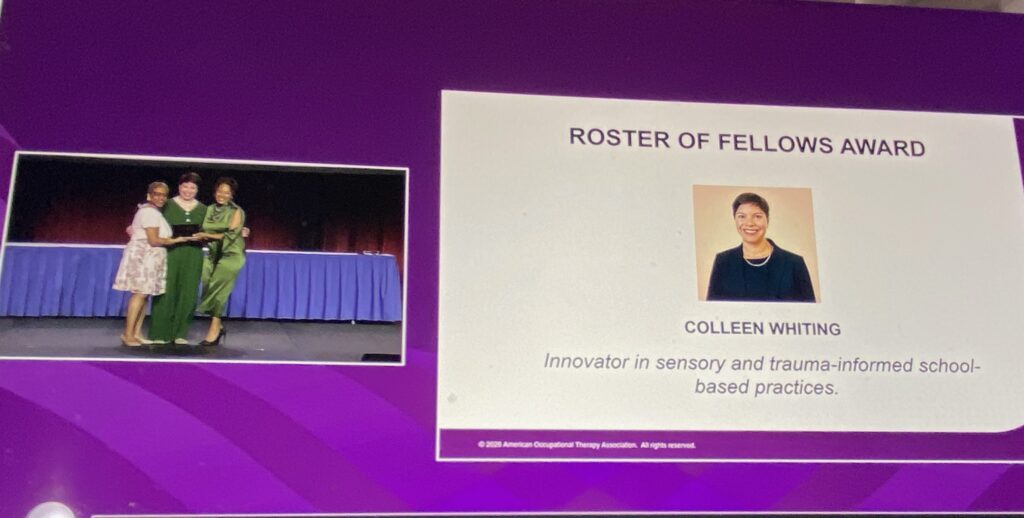
Being recognized for my contributions to school-based occupational therapy was especially meaningful. It also highlighted the importance of school-based practice and the role occupational therapists play in supporting students and school communities.
2. The name of the conference was AOTA Inspire. What inspired you to become an occupational therapist?
I first learned about occupational therapy while working as a counselor on a pediatric psychiatric unit. I was struck by how holistically the occupational therapist worked with the children. She tailored activities to their interests and goals, and I saw them light up and engage during her sessions.
At the time, I planned to become a psychologist, but seeing occupational therapy in action changed my path. I realized I wanted a profession that considered the whole person and used everyday activities to support not only psychological well-being, but also participation in daily life. Occupational therapy felt like the perfect fit.
3. You were recognized as an “innovator in sensory and trauma-informed school-based practices.” Can you tell us about your work in this area?
Working in schools as an occupational therapist, I saw gaps in how we supported students who had experienced trauma and those with sensory integration and processing differences. I began by developing and implementing evidence-based approaches within my own school district to better meet those needs.
Over time, that work expanded beyond my own practice through research, publications and professional development I’ve provided to school-based practitioners nationally and internationally. While I’m proud to have helped advance practice in these areas, what has always mattered most to me is seeing the difference it can make in students’ lives.
4. Have any JWU students had an opportunity to join you in your work with sensory and trauma-informed school-based practices? If so, how?
Yes! I love bringing students into the work I’m already doing.
Several of our doctoral students are completing capstone projects with me focused on sensory supports in schools and trauma-informed practices, giving them the chance to contribute to projects that can directly influence practice. Students have also become involved in my research and scholarly writing. One student has already co-authored a publication with me, and another is working with me on a manuscript. It’s incredibly rewarding to mentor students through that process and to see them begin to bring their own ideas and perspectives to the profession.
5. What brought you to teach future occupational therapists at JWU, and what keeps you here the most?
What initially drew me to JWU was the strong sense of community in the doctoral program, and it remains a major reason I stay. Our small cohort sizes allow us to get to know our students, build meaningful relationships and support their development throughout the program.
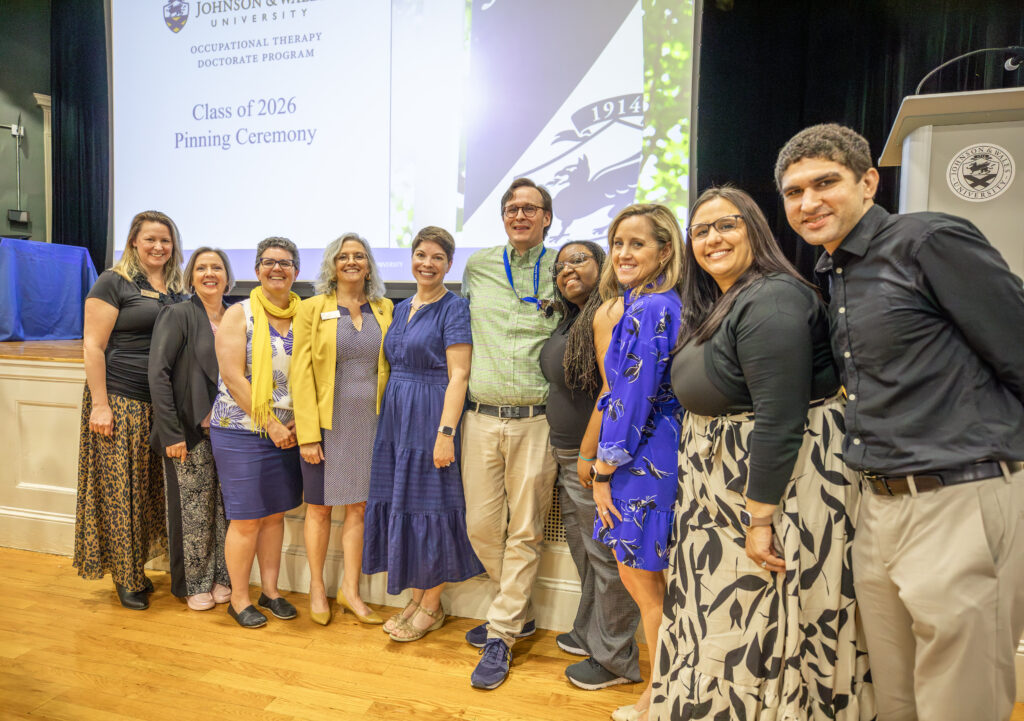
I also value the freedom to innovate. Our program director, Dr. Nancy Dooley, is very open to new ideas and to evolving the curriculum to strengthen students’ learning. For example, I was able to redesign our research sequence so students move beyond reviewing existing literature and actually conduct their own studies. That combination of close relationships with students and the freedom to continually improve what and how we teach is something you don’t find everywhere.
6. You’ve been a faculty advisor for many OTD students’ capstone projects. What are some examples of impactful research or outreach that JWU students have done?
One of the things I love about our capstone projects is seeing students take on work that extends beyond the classroom. One of my current capstone students is collaborating with me and the JWU Center for Teaching & Learning to develop a trauma-informed teaching course for JWU faculty. It has been a wonderful partnership, and I’m excited to see the course offered across the university.
Another student recently completed a research project with me after identifying a gap in the literature on teachers’ perspectives on how students’ sensory integration and processing differences affect their success in school. She designed a study and interviewed teachers about their experiences. The findings have important implications for school-based occupational therapy.
7. What do you see as the biggest opportunity for future occupational therapists?
I think occupational therapists are needed in so many spaces and can contribute something valuable. In school-based practice specifically, I want occupational therapists to feel empowered to take a seat at the table, not only to support individual students, but also to participate in decision-making, leadership and school-wide initiatives.
Our holistic perspective gives us a unique lens on student participation, well-being, and success, and I hope future occupational therapists recognize its value and feel confident bringing it to the broader school community.