
Health Science B.S.
Degree: B.S.
Location(s): Rhode Island, North Carolina
Internship: Required, 6 credits
Credits: 120-121
Cultivate Science and Research Skills for Health Careers
Build a foundation in biological science, public health and research while exploring how health is shaped by individual, social and community factors. Earn a Bachelor of Science in Health Science at Johnson & Wales University, with your choice of locations in Providence, Rhode Island, or Charlotte, North Carolina.
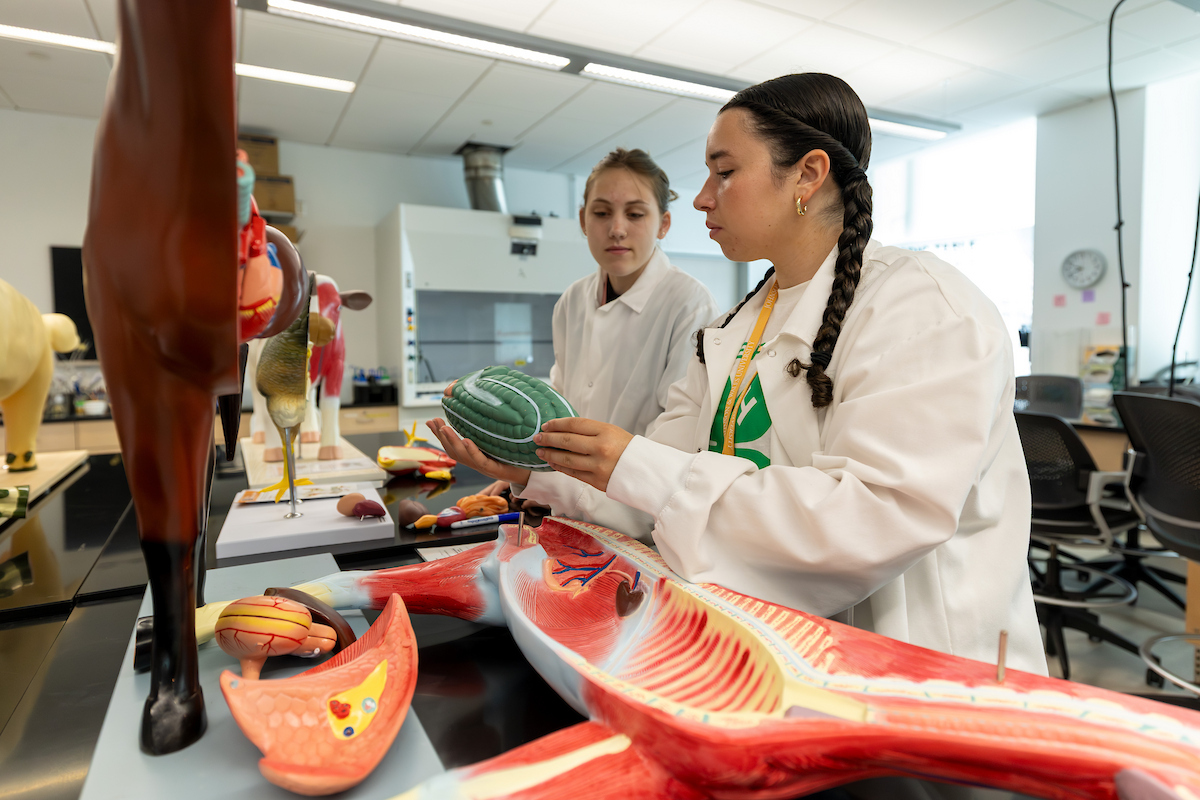
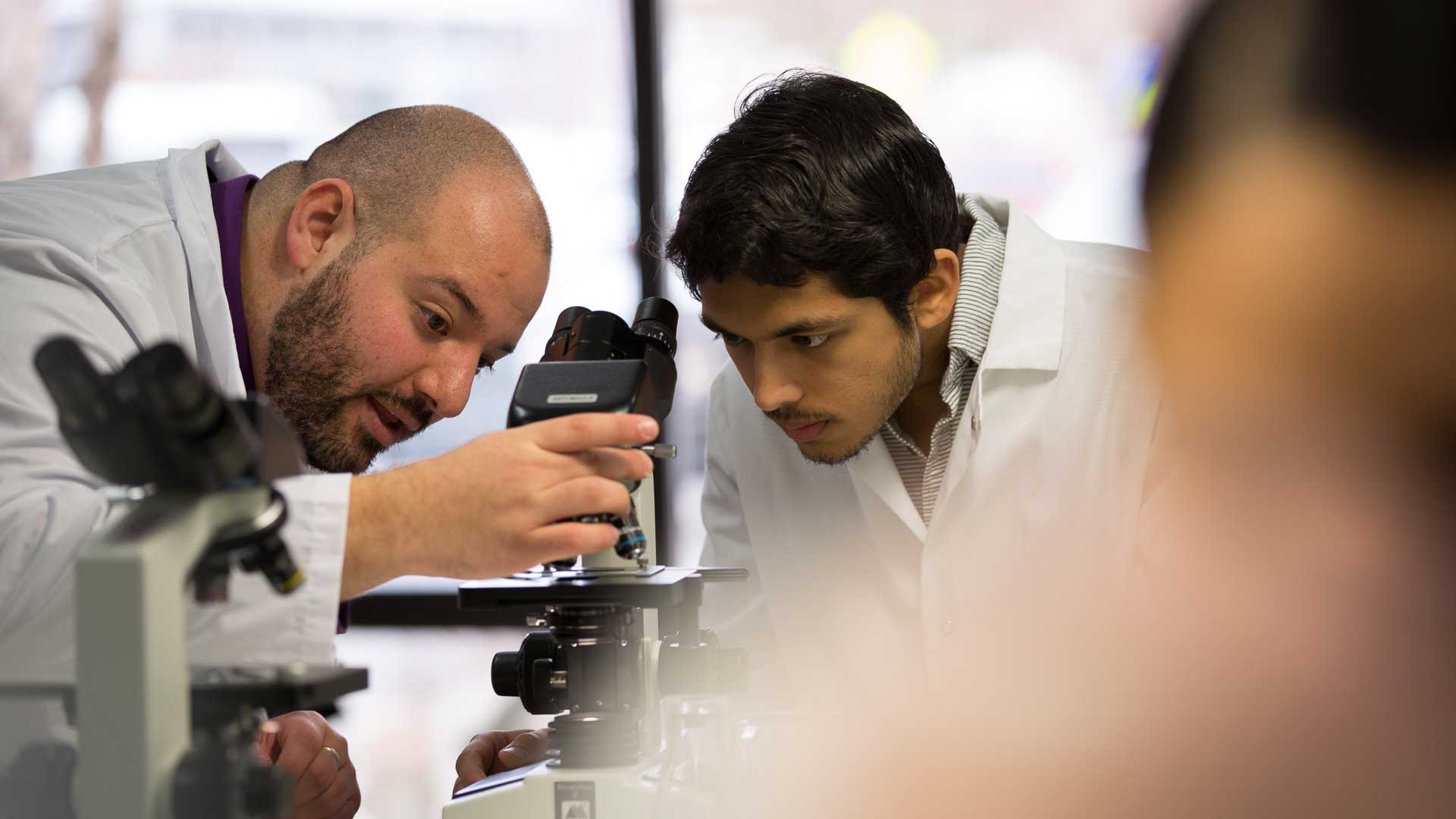
Study biology, anatomy and physiology, epidemiology, determinants of health and research methods. Then, apply what you learn through laboratory work, a research capstone and an approved internship or study abroad experience. Flexible electives and academic advising can help you prepare for entry-level health roles or further education in health-related fields.
Health Science at a Glance
- Sample subjects: Biology, anatomy and physiology, public health, epidemiology, determinants of health, research methods and biostatistics
- Applied learning: Six credits through an approved internship or eligible study abroad, plus a research capstone
Curriculum and Degree Requirements
Students in the College of Health & Wellness will apply and adapt their knowledge in innovative ways through the Health & Wellness Core Experience.
In addition to classes, free elective credit can be applied to a number of options, such as internships, minors or study abroad. You are encouraged to contact an advisor before scheduling free elective credits.
Credits Major Courses | ||
| BIO1011 | General Biology – Cellular | 3 |
| BIO1016 | General Biology Laboratory – Cellular | 1 |
| BIO1022 | General Biology – Organismal | 3 |
| BIO1026 | General Biology Laboratory – Organismal | 1 |
| BIO2003 | Human Anatomy and Physiology I | 3 |
| BIO2006 | Human Anatomy and Physiology I Laboratory | 1 |
| BIO2013 | Human Anatomy and Physiology II | 3 |
| BIO2016 | Human Anatomy and Physiology II Laboratory | 1 |
| HSC1010 | Introduction to Health Professions | 1 |
| HSC1100 | Determinants of Health | 3 |
| HSC1230 | Introduction to Public Health | 3 |
| HSC2100 | Epidemiology | 3 |
| HSC2400 | Research Methods for Health Science | 3 |
| HSC4900 | Data and Evidence in Health: Research Capstone | 3 |
| Major Electives | ||
| Choose 17-18 credits from the following: BIO, CHM, ESS, HSC, PHY, PSYC, SCI, SOC | 17-18 | |
| Applied/Experiential Learning | ||
| Choose 6 credits from the following: | 6 | |
| College of Health & Wellness Internship | ||
Study Abroad | ||
| Related Professional Studies | ||
| CHM1011 | General Chemistry I | 3 |
| CHM1016 | General Chemistry I Laboratory | 1 |
| CHM1022 | General Chemistry II | 3 |
| CHM1026 | General Chemistry II Laboratory | 1 |
| CULN2414 | Cooking for Health and Wellness | 3 |
| University Core Curriculum | ||
| Communicating | 9 | |
| Rhetoric & Composition I | ||
| Rhetoric & Composition II | ||
| Communication Skills | ||
| Connecting | 6 | |
Two courses with the Connecting attribute (ECNG), one at the 2000 level, one at the 4000 level | ||
| Experiencing | 6 | |
| Ethics: A Global Perspective | ||
Additional course with the Experiencing attribute (EEXP) in a different discipline | ||
| Measuring | 6 | |
| Precalculus (or higher, based on student’s placement) | ||
| Introduction to Biostatistics | ||
| Exploring | 3 | |
| Nutrition | ||
| Interacting | 6 | |
| Introductory Psychology | ||
Additional course with the Interacting attribute (EINT) in a different discipline | ||
| A&S Electives | 6 | |
Two courses with the Arts & Sciences elective attribute (EASC) | ||
| Free Electives # | ||
| 12 credits selected from 1000-4999 numbered offerings within the university | 12 | |
| Total Credits | 120.0-121.0 | |
|
Credits
Major Courses |
||
| BIO1011 | General Biology – Cellular | 3 |
| BIO1016 | General Biology Laboratory – Cellular | 1 |
| BIO1022 | General Biology – Organismal | 3 |
| BIO1026 | General Biology Laboratory – Organismal | 1 |
| BIO2003 | Human Anatomy and Physiology I | 3 |
| BIO2006 | Human Anatomy and Physiology I Laboratory | 1 |
| BIO2013 | Human Anatomy and Physiology II | 3 |
| BIO2016 | Human Anatomy and Physiology II Laboratory | 1 |
| HSC1010 | Introduction to Health Professions | 1 |
| HSC1100 | Determinants of Health | 3 |
| HSC1230 | Introduction to Public Health | 3 |
| HSC2100 | Epidemiology | 3 |
| HSC2400 | Research Methods for Health Science | 3 |
| HSC4900 | Data and Evidence in Health: Research Capstone | 3 |
| Major Electives | ||
| Choose 17-18 credits from the following: BIO, CHM, ESS, HSC, PHY, PSYC, SCI, SOC | 17-18 | |
| Applied/Experiential Learning | ||
| Choose 6 credits from the following: | 6 | |
| College of Health & Wellness Internship | ||
|
Study Abroad
|
||
| Related Professional Studies | ||
| CHM1011 | General Chemistry I | 3 |
| CHM1016 | General Chemistry I Laboratory | 1 |
| CHM1022 | General Chemistry II | 3 |
| CHM1026 | General Chemistry II Laboratory | 1 |
| CULN2414 | Cooking for Health and Wellness | 3 |
| University Core Curriculum | ||
| Communicating | 9 | |
| Rhetoric & Composition I | ||
| Rhetoric & Composition II | ||
| Communication Skills | ||
| Connecting | 6 | |
|
Two courses with the Connecting attribute (ECNG), one at the 2000 level, one at the 4000 level
|
||
| Experiencing | 6 | |
| Ethics: A Global Perspective | ||
|
Additional course with the Experiencing attribute (EEXP) in a different discipline
|
||
| Measuring | 6 | |
| Precalculus (or higher, based on student’s placement) | ||
| Introduction to Biostatistics | ||
| Exploring | 3 | |
| Nutrition | ||
| Interacting | 6 | |
| Introductory Psychology | ||
|
Additional course with the Interacting attribute (EINT) in a different discipline
|
||
| A&S Electives | 6 | |
|
Two courses with the Arts & Sciences elective attribute (EASC)
|
||
| Free Electives # | ||
| 12 credits selected from 1000-4999 numbered offerings within the university | 12 | |
| Total Credits | 120.0-121.0 | |
Curriculum and Career Preparation
Our students are encouraged to become health scientists under the mentorship of research-focused and industry-experience faculty. This means having an opportunity to influence health at every level, whether helping to develop a brief for a local Department of Children, Youth and Families or publishing scientific literature concerning a finding from your project research. Students are encouraged to pursue their research interests, which might look like examining the intersection between traumatic brain injuries and substance abuse or studying the consequences of losing a loved one to COVID-19.
In this program, you’ll:
- Become prepared for a career in healthcare or for advanced studies in fields such as medicine, occupational therapy, clinical nutrition and dietetics, nursing, mental health counseling, addiction counseling or physical therapy.
- Learn how to evaluate, present and analyze data.
- Obtain the intervention skills set to examine populations, identify problems and develop solutions.
- Identify and complete a full-year research project, presenting your findings to fellow researchers and to the public.
- Apply free elective credit to options such as internships or study abroad programs.
- Be eligible for an accelerated pathway to JWU’s Master of Public Health program, including a 25% discount for Wildcat alumni.
Gain Research and Applied Experience
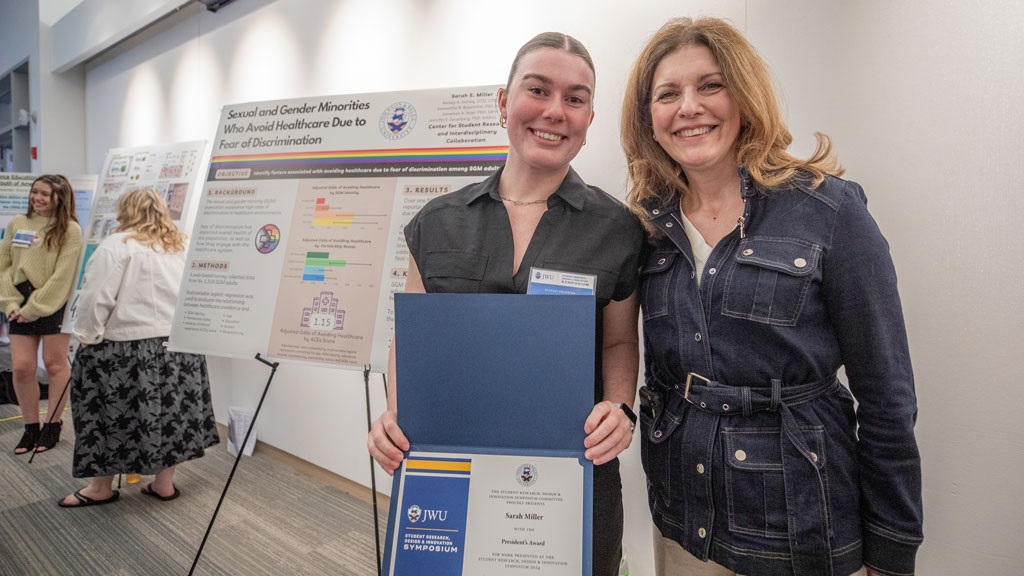
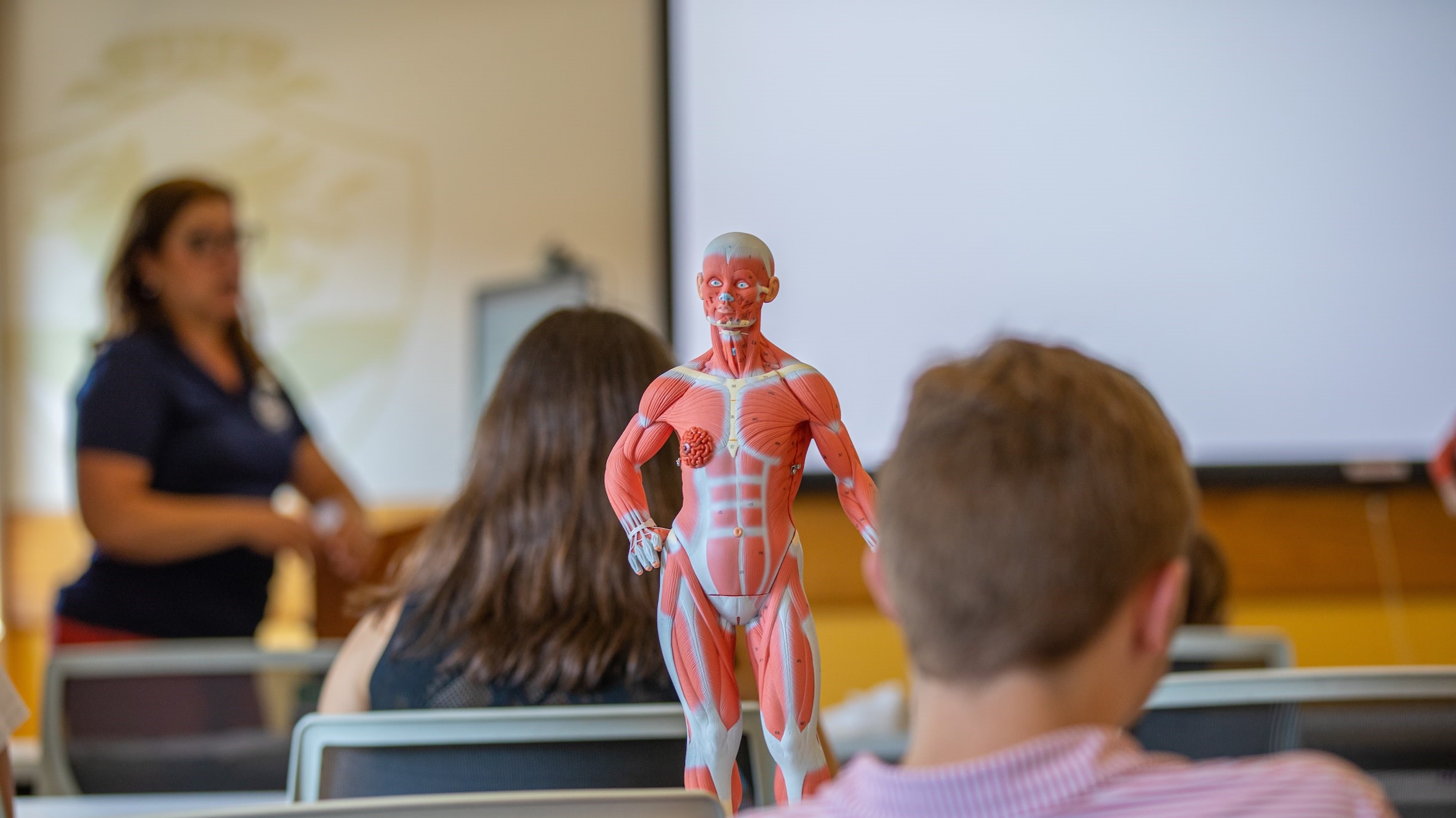
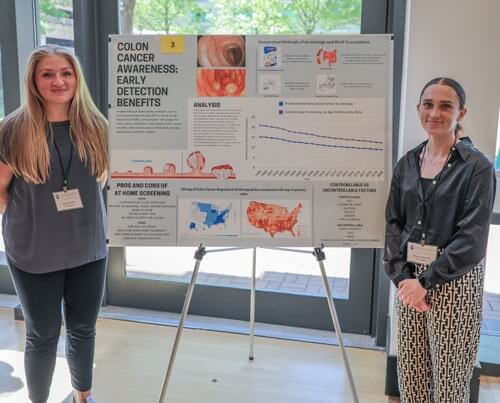
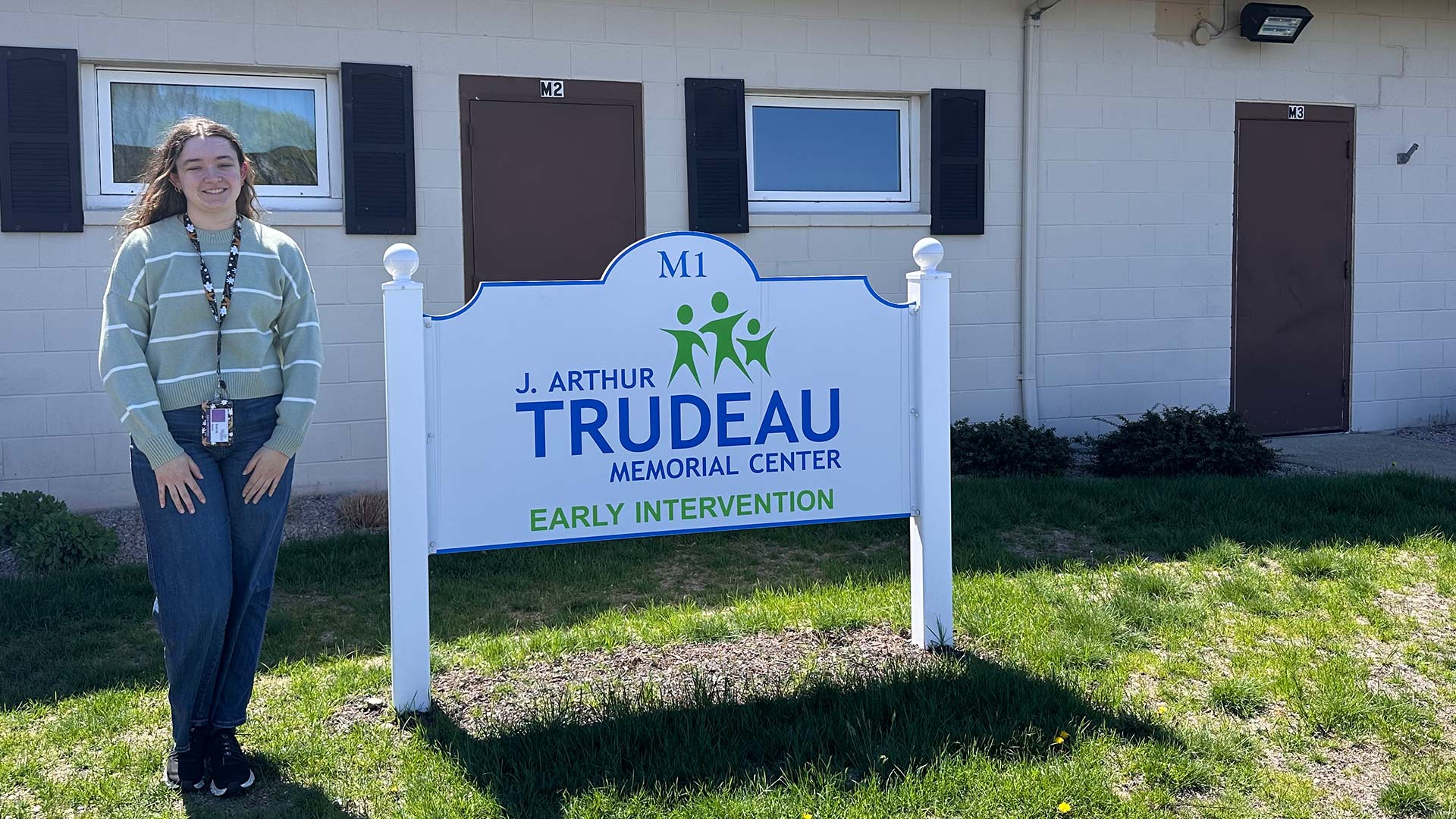
Develop skills in evaluating evidence, analyzing data, communicating findings and designing responses to health questions. Health Science students complete a research capstone, performing an independent study that could include anything from performing an experiment on mindfulness in classrooms to investigating the impact of screen time on youth behavior. You may also pursue an approved internship or eligible study abroad experience. Current student projects demonstrate how biological, behavioral, social and policy perspectives come together in health research.
Health Science Careers and Graduate Pathways
A Health Science B.S. can support entry-level work in any of the following:
- Health education or health-promotion support
- Public health or community-health program support
- Research, data or laboratory support roles
- Healthcare program coordination or administration support
- Graduate study in public health, counseling, informatics or related fields
- Professional study in PA, PT, OT or other health fields when prerequisites are met
Fast-Track Your Nursing Degree
JWU’s Health Science students may pursue the Accelerated Second Degree Bachelor of Science in Nursing (ABSN) program immediately after completing their Public Health B.S. degree through our 4+ track. Faculty will provide specialized advising for students who indicate interest in this pathway. Once you complete your bachelor’s degree, you may be eligible for a 25% discount on your ABSN degree through JWU’s Wildcat Alumni Scholarship.
Get Your Master’s Faster
Students can earn a combined Health Science BS/Master of Public Health MPH in as little as five years or a combined Health Science BS/Occupational Therapy OTD in as little as six years at JWU.
In addition, qualified students can pursue graduate studies in osteopathy, pharmacy, podiatry or dentistry through JWU’s agreement with Lake Erie College of Osteopathic Medicine (LECOM).
Study Health Science at JWU
The campus-based Health Science B.S. is offered in Providence, Rhode Island, and Charlotte, North Carolina. The campuses share the core degree but offer different faculty, facilities, research examples, partners and campus experiences.
The program is designed as a four-year degree. The 2026-27 catalog lists 120-121 credits. Completion time may vary based on transfer credits, placement, course load and academic planning.
Students study biology, anatomy and physiology, public health, epidemiology, determinants of health, research methods, data and evidence, nutrition, psychology and related topics.
Yes. Students complete a research capstone and six credits of approved applied learning through an internship or eligible study abroad. Additional research opportunities vary by campus, faculty and project.
The degree can provide relevant science and health coursework, and students can select electives with advising. Prerequisites vary by professional program, so students should plan early and review each school’s requirements. Admission is not guaranteed.
Graduates may pursue entry-level health-promotion, public-health, research, program-support or healthcare-administration opportunities, or continue to graduate or professional study. Licensed clinical roles require additional education and credentials.
JWU lists combined Health Science B.S./Public Health M.P.H. and Health Science B.S./Occupational Therapy O.T.D. options. Eligibility, campus availability and admission requirements apply; students should review the current catalog and speak with an advisor.
Faculty Contacts
Rhode Island
Samantha Rosenthal, Ph.D., MPH
Professor & Department Chair
College of Health & Wellness
401-598-1253
samantha.rosenthal@jwu.edu
North Carolina
Christopher Roy, Ph.D.
Associate Professor & Department Chair
College of Health & Wellness
980-598-1660
christopher.roy@jwu.edu