Academic Pathways
Food Systems Leadership
The Future of Food Is You
Johnson & Wales University’s College of Food Innovation & Technology is cultivating the next generation of food system leaders.
Through hands-on learning, interdisciplinary study, and real-world impact, gain the tools to make food more sustainable, equitable and innovative — locally and globally.
Choose Your Pathway
JWU’s Food Systems Leadership pathway centers food as a way to actively shape a more resilient food future. Strengthen your understanding of food systems across JWU Providence’s suite of three unique programs:
- Sustainable Food Systems B.S.
- Graduate Certificate in Advanced Food Systems Studies
- Food Systems Innovation & Leadership M.S.
No matter which program you choose, learn to define what food systems leadership looks like to you. From agriculture to advocacy, entrepreneurship to education, sustainability policy to supply chain management, gain the knowledge and skills to drive impact across the food economy.
What will your journey look like? Here are some options for tailoring your path:
- Bachelor’s → Certificate → Master’s
- Bachelor’s → Master’s
- Bachelor’s → Juris Doctorate (accelerated pathway via articulation)
Sustainable Food Systems (B.S.)
Build ecological literacy, food policy insight and hands-on experience to lead sustainable change.
Grounded in professional kitchens, farms and community-based action, this interdisciplinary bachelor of science program examines the connections between food, culture, policy, the environment and public health.
- Interdisciplinary learning across food, culture and environment
- Focus on agricultural supply chain and community-based learning
- Prepare for graduate study or career leadership
Explore Sustainable Food Systems
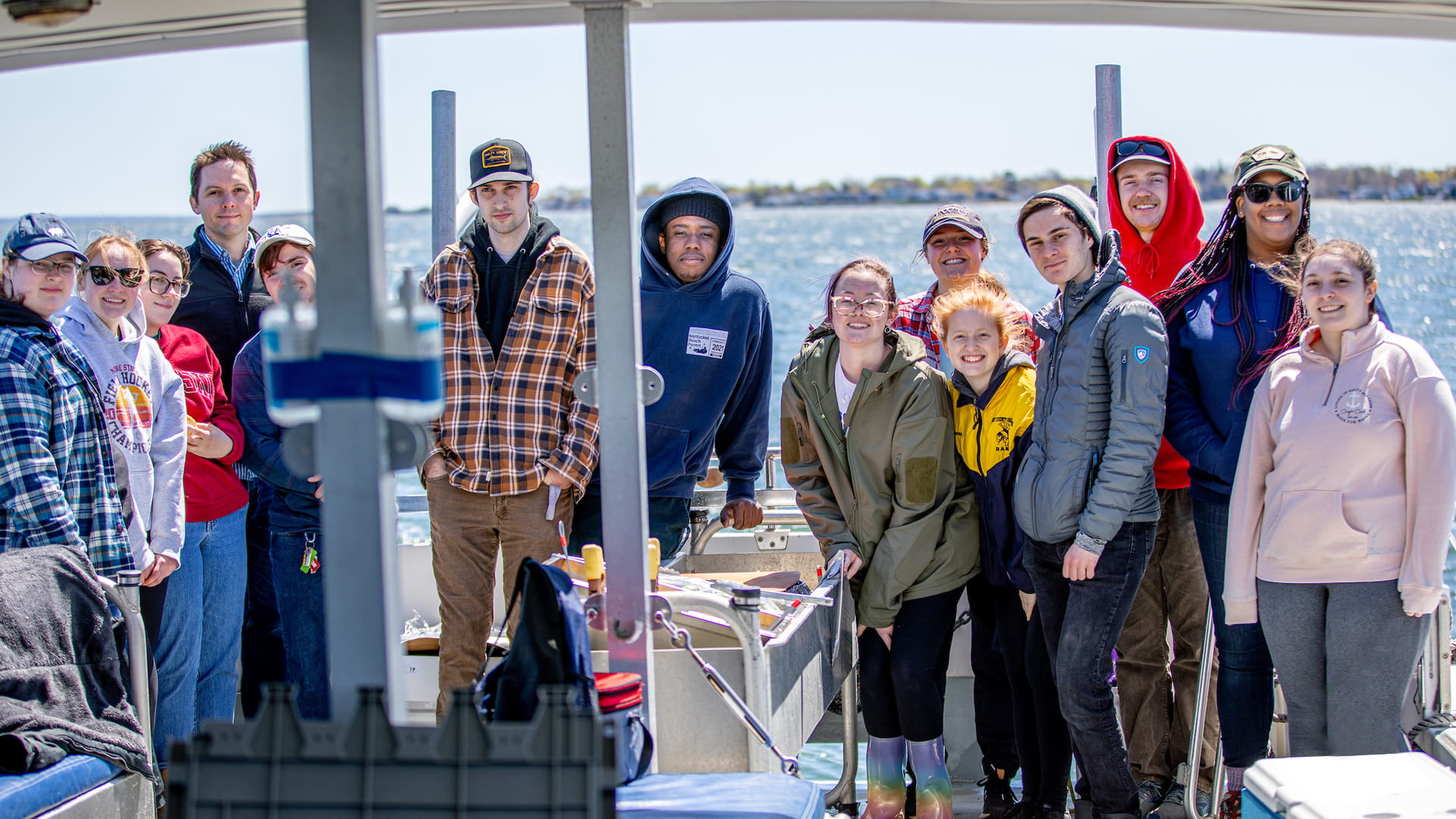
Graduate Certificate in Advanced Food Systems Studies
Bridge your undergraduate learning to advanced food systems leadership.
Gain practical insights into emerging food technologies, systems strategy and responsible industry leadership — and learn to address complex food system challenges that can’t be solved within a single discipline.
- Complete four graduate-level courses
- Focus on policy, culture, law and innovation
- Earn credit toward the master’s degree
Explore Advanced Food Systems Studies
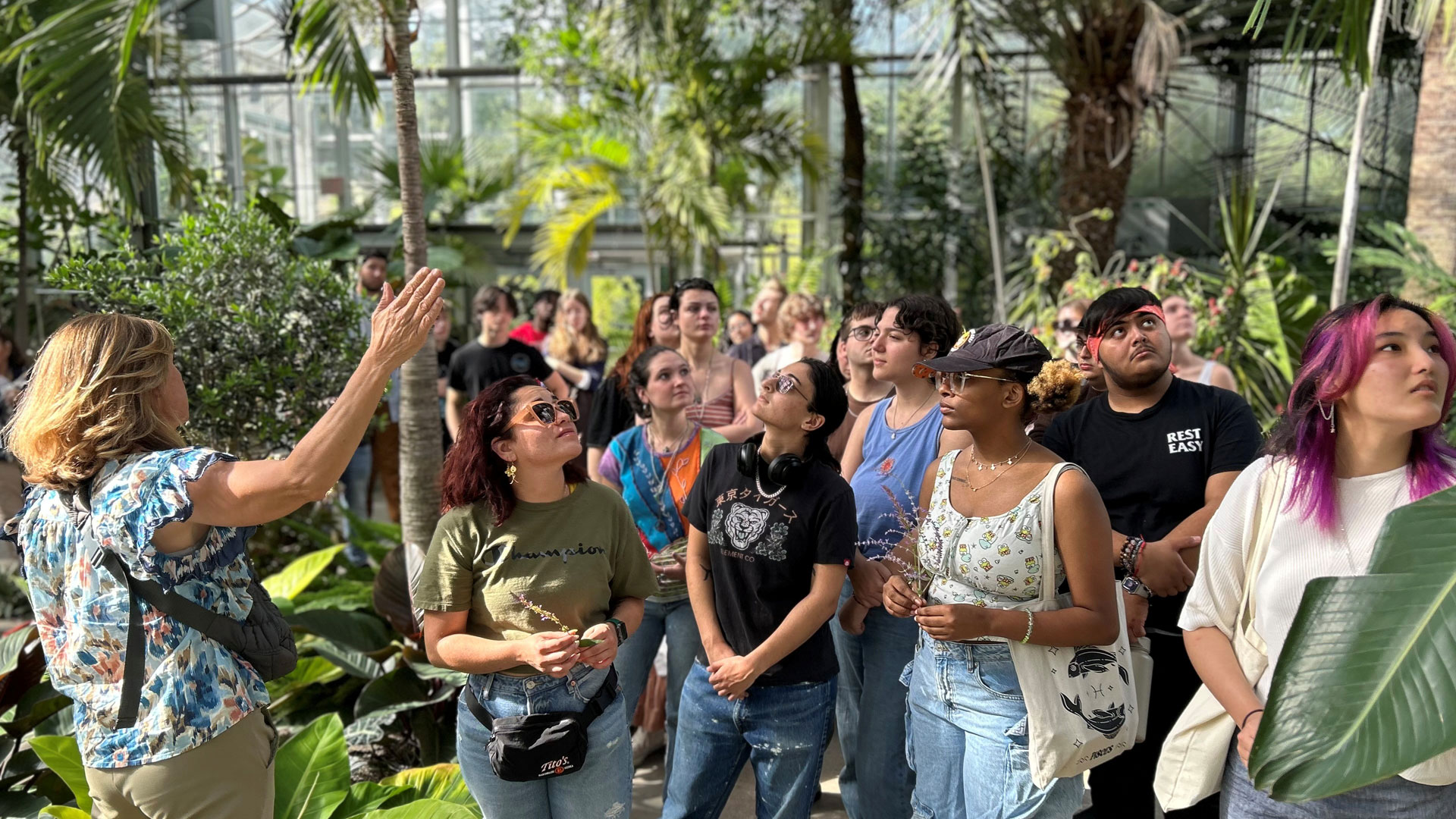
Food Systems Innovation & Leadership (M.S.)
Lead change across food enterprises, nonprofits and policy organizations.
Gain the skills to design, manage and scale sustainable food initiatives that advance people, businesses and the planet.
- Learn systems thinking and strategic innovation
- Strengthen your organizational leadership and change management
- Complete a real-world capstone or innovation project
Explore Food Systems Innovation & Leadership
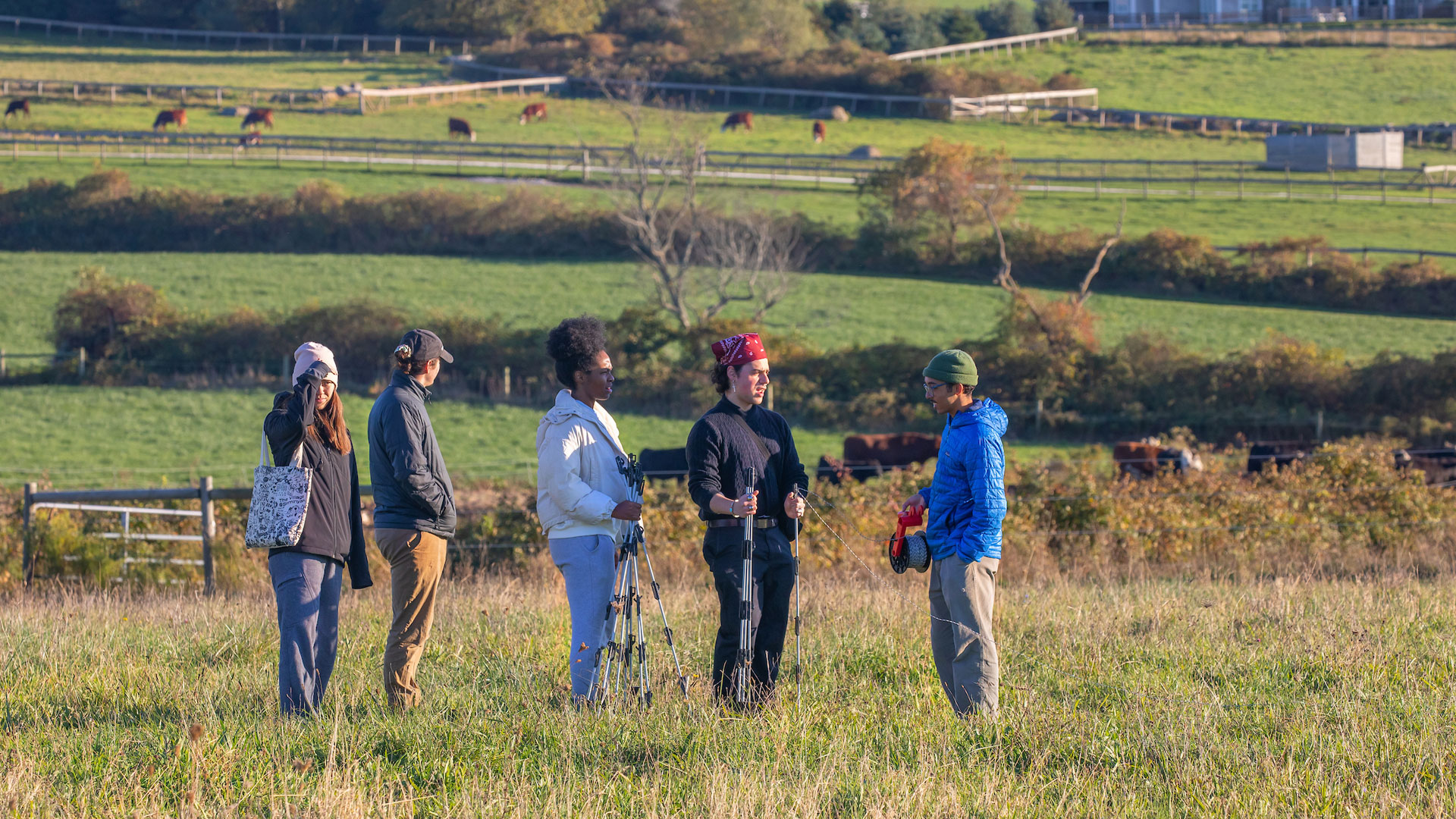
3 +3 J.D. Law Program
Gain a terminal degree in law to shape the future of food.
JWU maintains articulation agreements with Rogers Williams School of Law and University of Massachusetts School of Law to facilitate accelerated study.
- Use free electives and internship credits to shave years off earning a terminal degree
- Apply a foundation in food sustainability to a career in law
- Complete studies in partnership with University of Massachusetts School of Law or Roger Williams Law School
Explore JWU → J.D. Law Articulations

Career Possibilities
- Food Systems Analyst
- Food Policy Advocate
- Supply Chain Strategist
- Food Innovation Consultant
- Community Food Program Director
- Food Business Entrepreneur
- Sustainability Education Coordinator
- Food Operations Coordinator
- Community Programs Coordinator
- Farm to Table Chef or Sustainable Culinary Lead
Some professions may require additional study, background checks, certifications, licenses, exams and/or experience as required qualifications for employment. Students are responsible for verifying that they can meet the employment requirements of potential employers.
Industry Partners & Sectors
- NGOs and nonprofits
- Corporate sustainability
- Environmental, Social & Governance (ESG) departments
- Food tech and innovation startups
- Government and policy agencies
- Higher education and community development
- Private and public food service enterprises