Culinary
Alumni
Hospitality & Business
Hospitality & Business
Experiential Education
Behind the Beat: How Event Management Students Produced a Concert
Author Mason Hemsley '26 is a Fashion Merchandising & Retailing major and works as a student assistant at JWU, contributing to JWU News.
For students in the Sports, Entertainment, Event — Management (SEEM) program, the annual SEEM Concert is more than just a concert. It represents months of planning, collaboration and problem solving, all led by the students themselves with the guidance of Associate Professor Elizabeth Covino. What begins as a simple idea in the Advanced Event Production: Concert course gradually transforms into a full-fledged event where every decision, from booking talent to finding a venue, has a real impact.
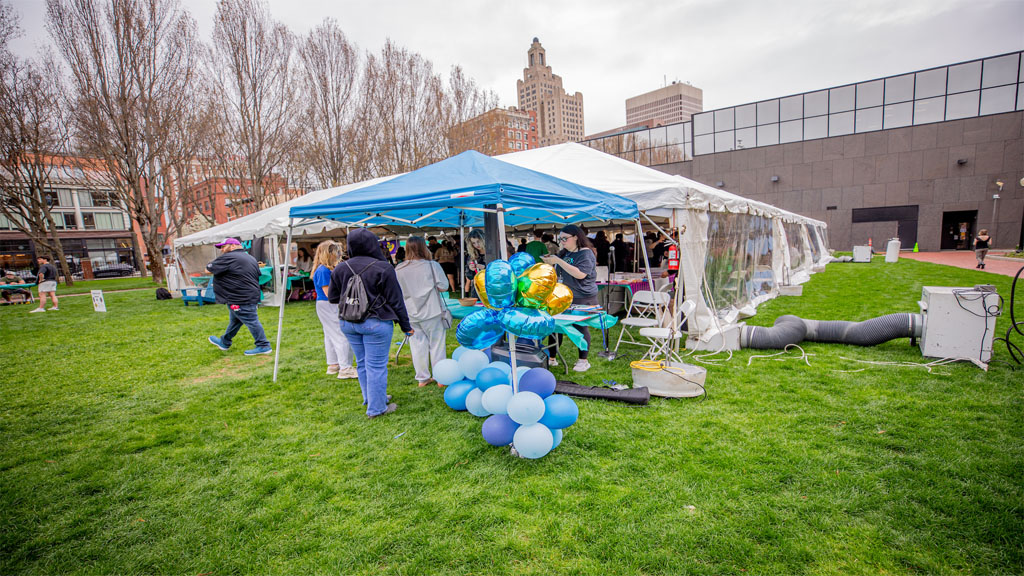
From the start, students are immersed in the realities of the industry, an approach that Professor Covino intentionally built into the course. “In the first semester we learn about concert production, and in the second semester the class produces the product,” Covino explained.
That ‘product,’ the JWU Jam Fest, wasn’t just handed to the student. It grew out of their own ideas and collaboration. “It was an idea that came up during class and we all loved it,” said Megan Correia ’27. The goal was to create an event that would generate excitement and be memorable for the campus community as a whole. The concert featured a wide variety of excitable options to choose from, ranging from live entertainment to small vendors and food trucks.
View this post on Instagram
This collaborative process extended across the entire class, even back to the previous semester. Anna Countourudas ’26, a SEEM major with a concentration in event management who was part of the talent management team, described how these ideas from previous coursework helped shape the final product. “We all had to come up with different concert ideas initially, and then this semester we’ve used those ideas and plans to form the JWU Jam Fest,” Countourudas said. By building on past ideas, students were able to refine and finalize their vision and create something both practical and creative.
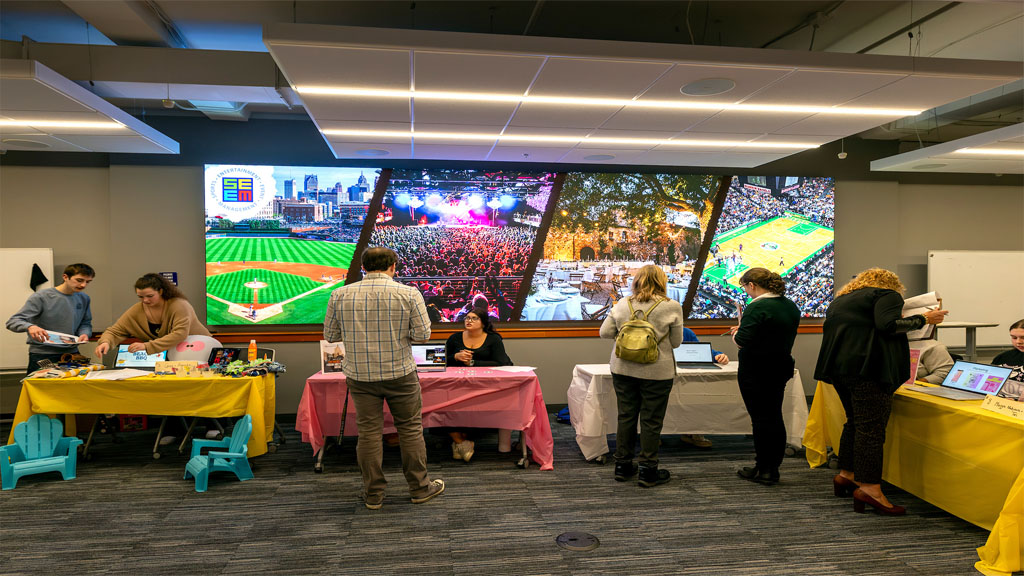
For Skyler Hill ’26, one of the many project managers who took charge of this event as well the artist green rooms, the inspiration came externally. “I believe the creation of this concert was inspired by the students and other universities putting on similar concerts,” Hill said.
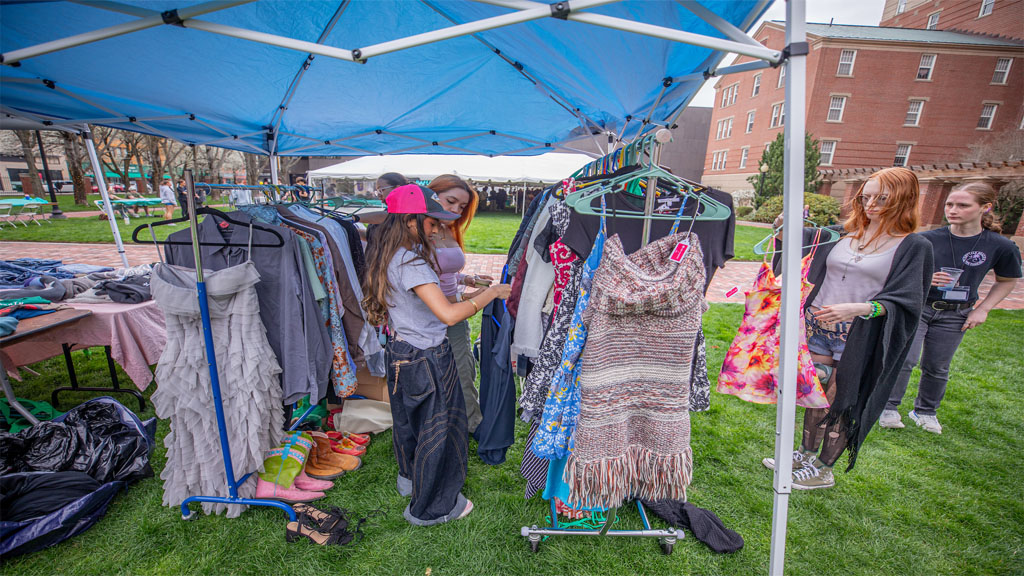
Once the concept was finalized, the class shifted into execution mode. Students are divided into multiple committees, such as marketing, talent and operations, each responsible for a different aspect of the concert and overseen by project managers.
“We planned a real concert from start to finish,” said Maddie Wilson-Brown ’26, another of the project managers for the concert, who supervised all teams from planning to execution. “We developed a plan and budget, booked a venue and talent, had a marketing team and assigned roles to everyone,” Wilson-Brown added. Her position as project manager also required her to maintain constant communication between groups, ensuring that timelines were met and everything was going according to plan.
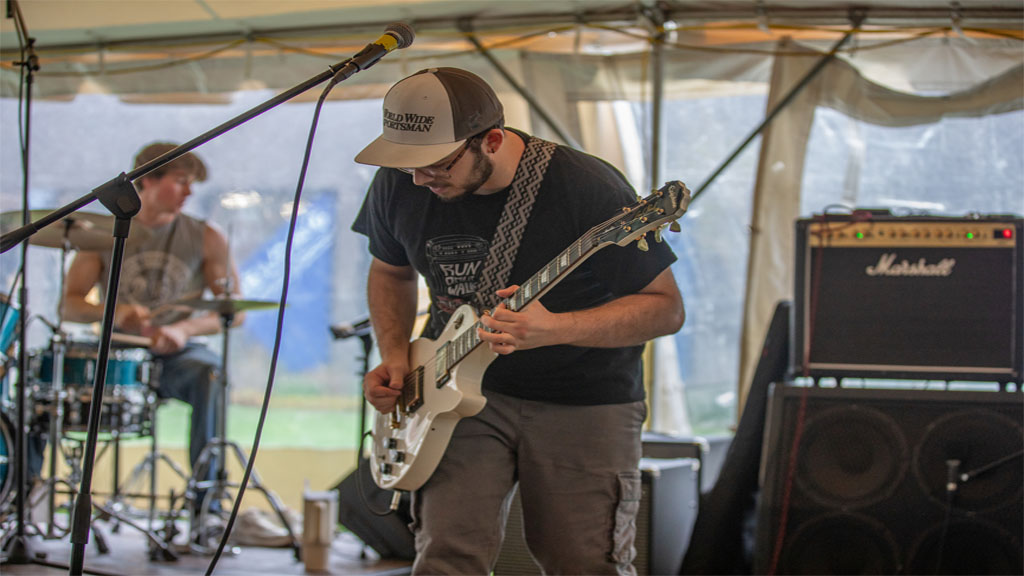
Hill shared many similar responsibilities as another project manager, as well as the main point of contact for the event. “I made sure each group stayed on task and completed the necessary tasks to produce the concert in time,” Hill said. But this role didn’t just stop at planning. During the day of the event, Hill, like many other project managers, stepped into a variety of hands-on tasks, including directly working with the performers. “I ensured the green rooms for the artists were set up and was the ‘chauffeur’ for one of the artists,” Hill added.
Every decision leading up to the concert required balancing creativity with real-world limitations, such as budget constraints or venue sizing. Talent selection, for example, involved more than just choosing popular performers. “We had two listening classes to vote on who we would like to see the most,” Hill said, adding on that “it also came down to budget and availability.”
The same considerations were taken into account when it came to choosing venues. The students had to choose a venue that was both budget friendly and student friendly, and able to hold all activities and performances provided during the concert. This led to the eventual choice of JWU’s own Gaebe Commons as the venue. “We came to the conclusion that it was going to be the best option because financially it would save us money so we could invest in other things for the concert,” Countouroudas explained.
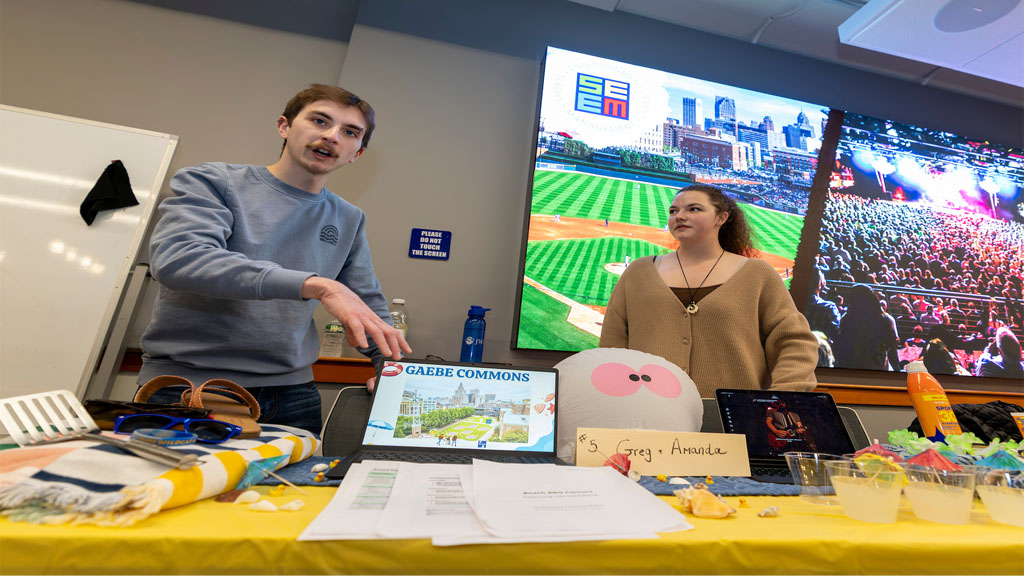
Despite the excitement surrounding the event, the process came with its challenges. Unlike traditional coursework, there were no clear-cut answers or predictable outcomes when it came to the concert. “You’re working with real people and real money,” Correia said, emphasizing the level of responsibility involved. Correia later noted how quickly plans can change, stating “even one tiny mishap can lead to the plan being thrown off or having to backtrack."
While music was at the center of JWU’s Jam Fest this year, the event was also a platform for a much deeper purpose. This year, the event production students partnered with Day One, an organization dedicated to preventing sexual and domestic abuse as well as bringing awareness to these issues. By integrating this organization into this event, the students hoped to help raise awareness among college students by combining entertainment with impact. “We find it especially meaningful to be able to do something ‘fun’ like a concert and attach real meaning and social cause to it,” said Wilson-Brown.
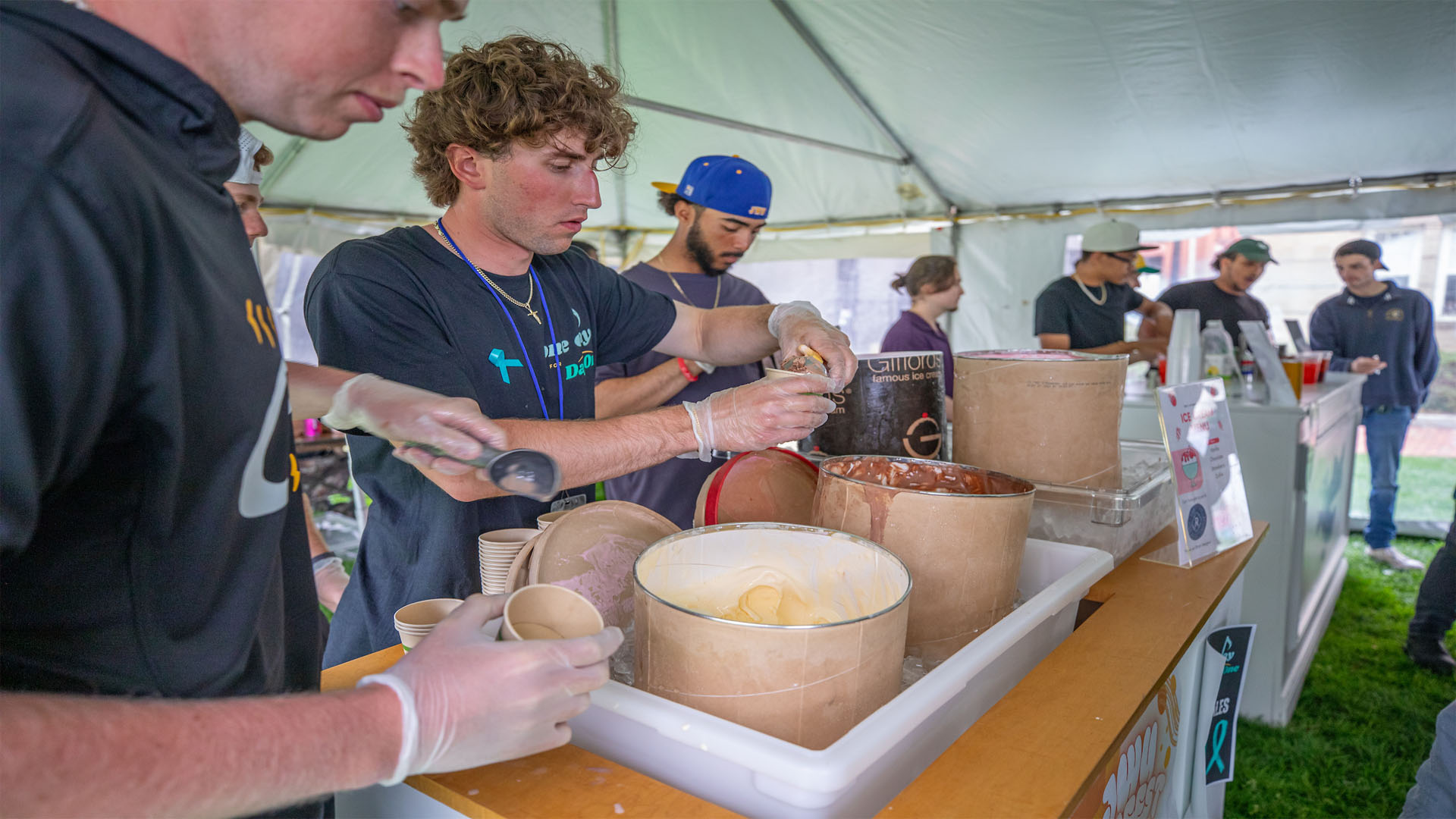
By the time JWU Jam Fest finally took place, it represented more than just an afternoon of music. For the students behind it, the concert is a culmination of everything they’ve learned — an opportunity to apply their skills in a real-world setting and see the results firsthand.
For many, that experience leaves a lasting impression. Correia sees it as a step toward her goal of working in theater management. Wilson-Brown gained confidence and practical knowledge she plans to carry into her career. And for Hill, the class solidified their future path. “This class has made me want to pursue my degree in SEEM even more,” they said. Learning to adapt became one of the most valuable parts of the experience. “Not everything is going to go smoothly, and it is important to be able to shift quickly,” added Hill. Countourudas agreed, highlighting the importance of teamwork throughout the process, saying, “It takes more than one person bringing in different perspectives and ideas.”
At its core, JWU Jam Fest reflected what makes the event production class and the SEEM program unique. It’s not just about learning how events are executed; it’s about the actual process and involvement in planning one. Through months of preparation and one unforgettable event, students turn ideas into reality, gaining experience that extends far beyond the classroom.
Related Posts
Experiential Education
Arts & Sciences
What Does a Cybersecurity Internship at JWU Look Like?

Alumni
Hospitality & Business
From JWU Student to Restaurant Owner: Andrea Cabrera

Hospitality & Business
Culinary
Experiential Education