Arts & Sciences
Alumni
Experiential Education
Arts & Sciences
JWU Psychology Internship Explores Pediatric Behavioral Therapy
From addiction recovery centers to parole supervision offices, JWU Psychology students gain hands-on experience in diverse, real-world settings. This spring, Parker Zapata ’27 added to that tradition through an internship at Mosaic Pediatric Therapy, a center that specializes in applied behavior analysis (ABA) therapy for children with autism.
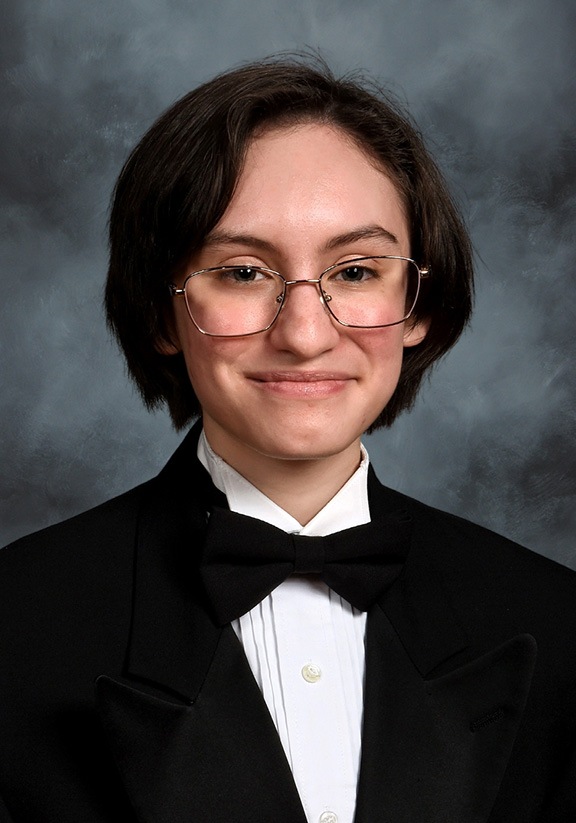 For Zapata, this work was deeply personal as he was diagnosed with autism at the age of 17 — an experience that made him want to pursue psychology as a career path. “The diagnostician I met with was a psychiatric nurse practitioner,” Zapata shares. “The way he went about that assessment, how he talked to me and the people that were there with me during that time gave me this profound feeling that this is what I want to do. This is the kind of feeling that I want to give to other people, that sense of security and identity. There’s a saying that autistic people are raised to believe we're bad horses, but when we have a diagnosis, we learn that we're just normal zebras.”
Because of his diagnosis, Zapata needed to find a college close to his hometown of Denver, North Carolina, so he could live at home with his parents and commute. He started searching for schools with psychology programs nearby, and JWU Charlotte was a top choice.
“I was able to get on a call with JWU’s psychology department chair, Howard Slutsky,” Zapata says. “We scheduled a 15 to 20-minute meeting so I could ask some questions about the program — we ended up on the phone for maybe an hour and a half, sharing our philosophies, experiences and our core beliefs around psychology. We had such a wonderful conversation that I was like ‘Yup, that's where I want to be.’”
Now heading into his senior year, Zapata says Dr. Howard has played a pivotal role in his JWU experience. One of the biggest lessons his courses and the overall program has taught him is that people do not exist in a bubble.
“If you think things like race, sex, gender, sexuality, religion or politics aren’t going to come up when you’re a therapist, you're wrong,” he says. “In psychology, it may be easier to measure things on an individual brain-by-brain basis, but at the end of the day, it's a systemic science. We can't learn about one person without properly evaluating the entire system.”
This core principle helped him frame the research he completed while interning at Mosaic.
Zapata’s Internship Experience
When Zapata learned about the opportunity to work with autistic children at Mosaic Pediatric Therapy, he knew it would be a great fit. He spent the majority of the spring semester working at the center.
“I am very interested in the administrative side of things, so I did a lot of work like that. I helped with bringing in a whole new caseload of clients and with updating Mosaic’s curriculum and treatment plans,” he said.
Zapata also spent time shadowing technicians as they worked with patients, but he soon realized his presence and active participation had an impact on the sessions and how the technicians worked. “I really wanted to see what it looked like in its natural state,” he says. “I wanted to be a fly on the wall and learn everything that I could without my presence having an influence on it.”
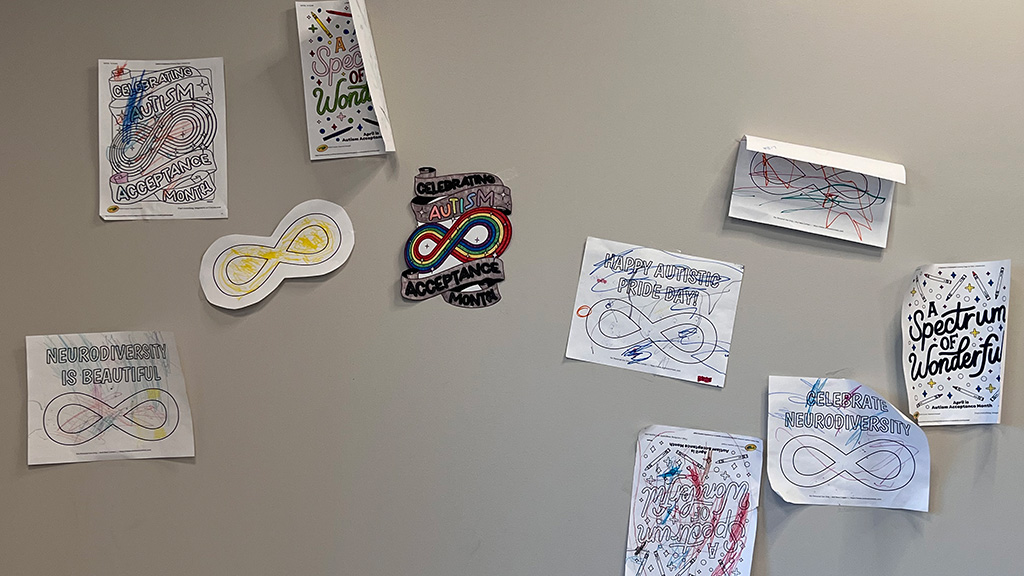
While working on administrative tasks, Zapata started to quietly observe, listen and take notes on what he saw. His goal was to pull together clear findings on the best practices of ABA therapy and present his research at the end of the internship.
“There is science behind applied behavior analysis, but the actual practice of it is highly unregulated,” Zapata says. “One technician may run a program one way and another may run it completely differently. These are children who struggle with generalization, and so having things work differently doesn't allow them to learn.”
Having worked at another pediatric facility prior to Mosaic, Zapata’s research drew comparisons between the two, and it also covered the history of autism and ABA, how cultural views on autism influence how we treat autistic children, and whether or not ABA has truly changed and improved over time.
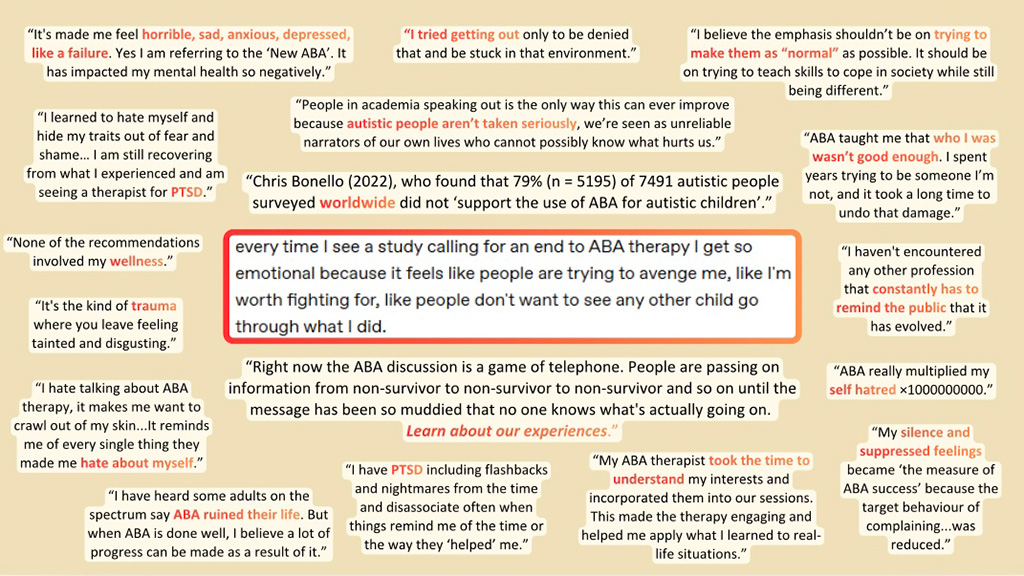
“I do believe Mosaic is actually one of the best companies out there — they’re the gold standard of what ABA can be right now,” Zapata says of his internship site. “But my research looked at ABA as a whole.”
Though the majority of his internship was spent gathering research, Zapata says his favorite moment of the entire experience came while working with one of the children at the center.
“For autistic people, hugs can be a lot — there's a lot of tactile input that comes with that,” Zapata explains. “But there’s not a lot of sensory neurons on your forehead, so I've noticed a lot of autistic people will gently head butt you as a means of showing interest, affection or that they're paying attention. There was this girl who was very independent and kept to herself. One day after we'd spent a couple of weeks together, she climbed right up in my lap, put her forehead to my forehead, and just stared into my eyes for a little bit. Then she went back off to play like nothing happened.”
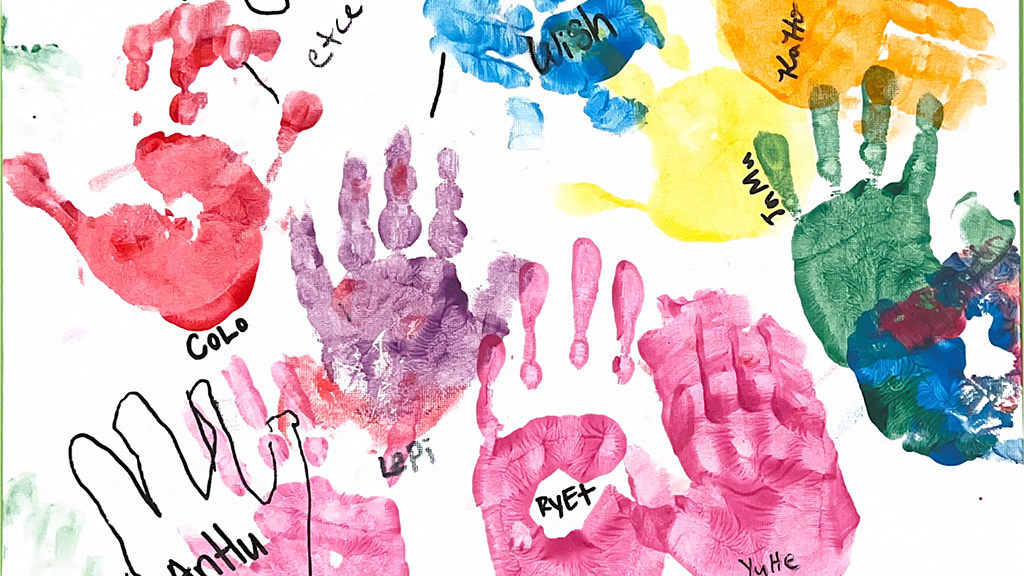
That moment was incredibly emotional for Zapata, and exemplifies what his advice is for other students interested in doing an internship at a facility like Mosaic.
“Autistic people are still, first and foremost, people,” he says. “Just because somebody isn't talking to you the way that you talk to other people, just because they're using a tablet, board, binder, gestures or sign language to communicate with you, or just because they're not communicating at all in any functional manner doesn't mean that they don't hear you or understand you. And just because somebody interacts with the world differently or experiences the world differently, doesn't mean that they're not still a person of great inherent value.”
What’s Next for Zapata
Once he earns his degree, Zapata hopes to become a diagnostician and focus on psychopathology, which is the study of mental illness. He is also open to other possibilities.
“My goal is definitely to be diagnosing, and I am really hoping to specialize in misdiagnosis, comorbidities, dual diagnosis and picking apart differentials,” he says. “There are so many conditions that get misdiagnosed because a physician just didn't look deep enough into the nuance of it or they didn't catch this one detail that makes all the difference between one condition that's treated with psychotherapy versus a different condition that might need a range of medications and intensive programs.”
He also hopes to continue advocating for the autistic community and improve ABA therapy for future generations.
Related Posts
Experiential Education
Arts & Sciences
What Does a Cybersecurity Internship at JWU Look Like?
Arts & Sciences